The Mantle Reimagined: A Couture Analysis of Katherine Fashion Lab
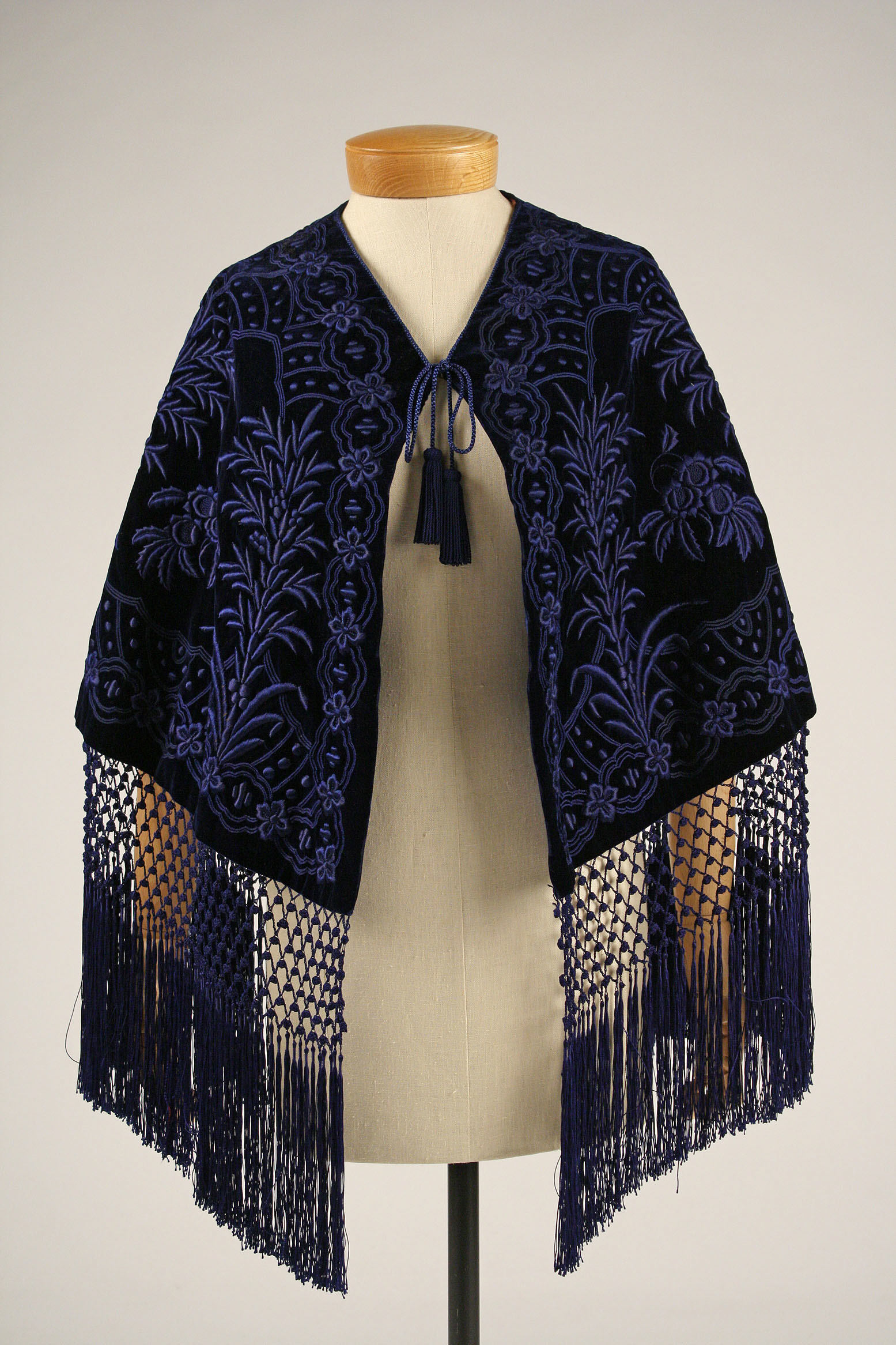
In the rarefied echelons of haute couture, where garment construction transcends mere apparel to become architectural poetry, Katherine Fashion Lab (KFL) has established a distinctive voice. The subject of this standalone study—the Mantle—is not a nostalgic revival but a radical recontextualization of one of fashion’s most ancient silhouettes. Originating from a synthesis of American pragmatic luxury and European atelier precision, this piece in pure silk offers a compelling case study in material intelligence, sculptural drapery, and the semiotics of power dressing for the contemporary epoch.
Deconstructing the Silhouette: From Archaic Symbol to Modern Armor
The mantle, historically a symbol of sovereignty, ecclesiastical authority, and nomadic protection, has been systematically stripped of its heavy, woolen connotations. KFL’s interpretation is a masterclass in negative space and gravitational tension. Unlike the classical rectangular cloak, this mantle is cut on a profound bias, utilizing the silk’s inherent fluidity to create a silhouette that is simultaneously voluminous and disciplined. The garment does not hang; it flows with deliberate intent, wrapping the wearer in a cocoon that is less about concealment and more about controlled revelation.
The design eschews traditional closures—no buttons, hooks, or brooches—in favor of a sophisticated internal weighting system. Discreet silk-wrapped weights at the hem’s interior create a dynamic counterbalance, allowing the mantle to settle into sculptural folds that mimic classical Greek statuary while maintaining a distinctly modern, almost brutalist edge. This is not a garment for passive wear; it demands a kinetic engagement from the wearer, transforming each gesture into a choreographic event.
Materiality as Narrative: The Alchemy of Silk
The choice of silk is not incidental; it is the conceptual core of the piece. KFL has sourced a double-faced silk duchesse, a material of formidable structural integrity that paradoxically retains a liquid, almost molten hand-feel. The fabric’s natural luster is manipulated through a proprietary finishing process, resulting in a surface that shifts from matte obsidian to a subtle, pearl-like iridescence depending on the light source. This chromatic instability renders the mantle a living canvas, reflecting the wearer’s environment rather than merely adorning it.
From a technical standpoint, the silk’s high tensile strength allows for the ambitious, unlined construction. The garment’s interior is finished with a hand-rolled seam technique that is nearly invisible, a testament to the atelier’s obsessive precision. This invisible craftsmanship—the hallmark of true couture—ensures that the garment’s outer appearance is unblemished, presenting a seamless facade that belies the complexity beneath. The fabric’s breathability and thermoregulating properties also elevate the mantle beyond a mere statement piece, positioning it as a functional, year-round outer layer for temperate climates.
Transatlantic Dialectic: American Utility Meets European Artistry
The mantle’s provenance is a deliberate fusion of two distinct fashion philosophies. From its American origins, it inherits a foundational pragmatism—a focus on wearability, ease of movement, and a democratic approach to silhouette that avoids the corseted constraints of traditional European evening wear. The garment is designed to be slipped over a tailored suit or a minimalist slip dress, adapting to the wearer’s existing wardrobe rather than dictating a complete look. This is a distinctly American ethos: the garment as a versatile investment piece, not a one-event spectacle.
Conversely, the European influence is manifest in the execution. The precision of the pattern-making, the meticulous hand-finishing, and the conceptual rigor of the design echo the traditions of Parisian and Milanese couture houses. The mantle’s construction employs a moulage technique, where the fabric is draped directly on a live model, allowing for organic adjustments that a purely mathematical pattern cannot achieve. This organic, almost improvisational process results in a garment that conforms to the human form with an uncanny, bespoke perfection.
The Semiotics of Draping: Power, Protection, and Presence
In a cultural moment dominated by athleisure and digital ephemerality, the mantle serves as a potent counter-narrative. It is a garment of slow fashion, demanding time and attention from both creator and wearer. The act of donning the mantle is a ritual—a deliberate pause that separates the public self from the private. It functions as a portable architecture of personal space, creating an aura of unassailable authority that is increasingly rare in contemporary social interactions.
The drape itself is a language. The deep, vertical folds elongate the figure, creating a columnar majesty that recalls the vestments of Renaissance nobility. Yet, the asymmetrical hemline—cut higher at the front to reveal the ankle—injects a subversive, contemporary energy, preventing the piece from descending into costume. This tension between the sacred and the modern is the mantle’s defining characteristic. It is not a costume for a bygone era; it is a strategic armor for the present, offering protection not from the elements, but from the superficiality of fast-paced, image-saturated culture.
Comparative Analysis: The Mantle in the Contemporary Couture Landscape
To fully appreciate KFL’s achievement, one must situate it against the work of contemporaries. While houses like Valentino have explored voluminous capes, their executions often lean toward romantic, floral embellishment. In contrast, KFL’s mantle is stark, almost monastic in its purity. It shares a philosophical kinship with the minimalist deconstruction of Japanese designers like Yohji Yamamoto, yet it diverges by eschewing raw, unfinished edges in favor of a polished, almost futuristic refinement.
The closest analog might be found in the sculptural work of Iris van Herpen, yet van Herpen’s pieces are often rigid, 3D-printed structures. KFL’s mantle achieves a similar architectural impact through pure fabric manipulation, a more challenging and, arguably, more intellectually rigorous feat. The garment is a testament to the idea that innovation in couture need not rely on technological novelty; it can emerge from a deep, innovative understanding of traditional materials and techniques, pushed to their logical extreme.
Furthermore, the mantle’s color palette—a deep, undyed ivory and a single, inky black—reinforces its conceptual purity. This absence of print or embellishment forces the observer to focus solely on line, form, and light. It is a bold, confident statement in an industry often saturated with visual noise.
Conclusion: A Masterpiece of Restraint
Katherine Fashion Lab’s silk mantle is more than a garment; it is a philosophical proposition. It argues that true luxury lies not in excess, but in extreme restraint; not in decoration, but in the profound intelligence of construction. By harmonizing American functionalism with European atelier artistry, the house has created a piece that transcends geographical and temporal boundaries. It is a wearable sculpture, a protective talisman, and a precise instrument of personal expression.
In a world that increasingly values the fleeting and the disposable, this mantle stands as a monument to enduring craft and deliberate design. It is a garment that will not only outlast trends but will likely outlast its owner, becoming a heirloom of immense cultural and material value. For the discerning collector, it is not merely an acquisition; it is an investment in the very future of fashion as a meaningful art form. The mantle is, in every sense, a masterpiece of silent, powerful elegance.