Heritage Analysis: The Sasanian Amulet Case as a Blueprint for 2026 Luxury Strategy
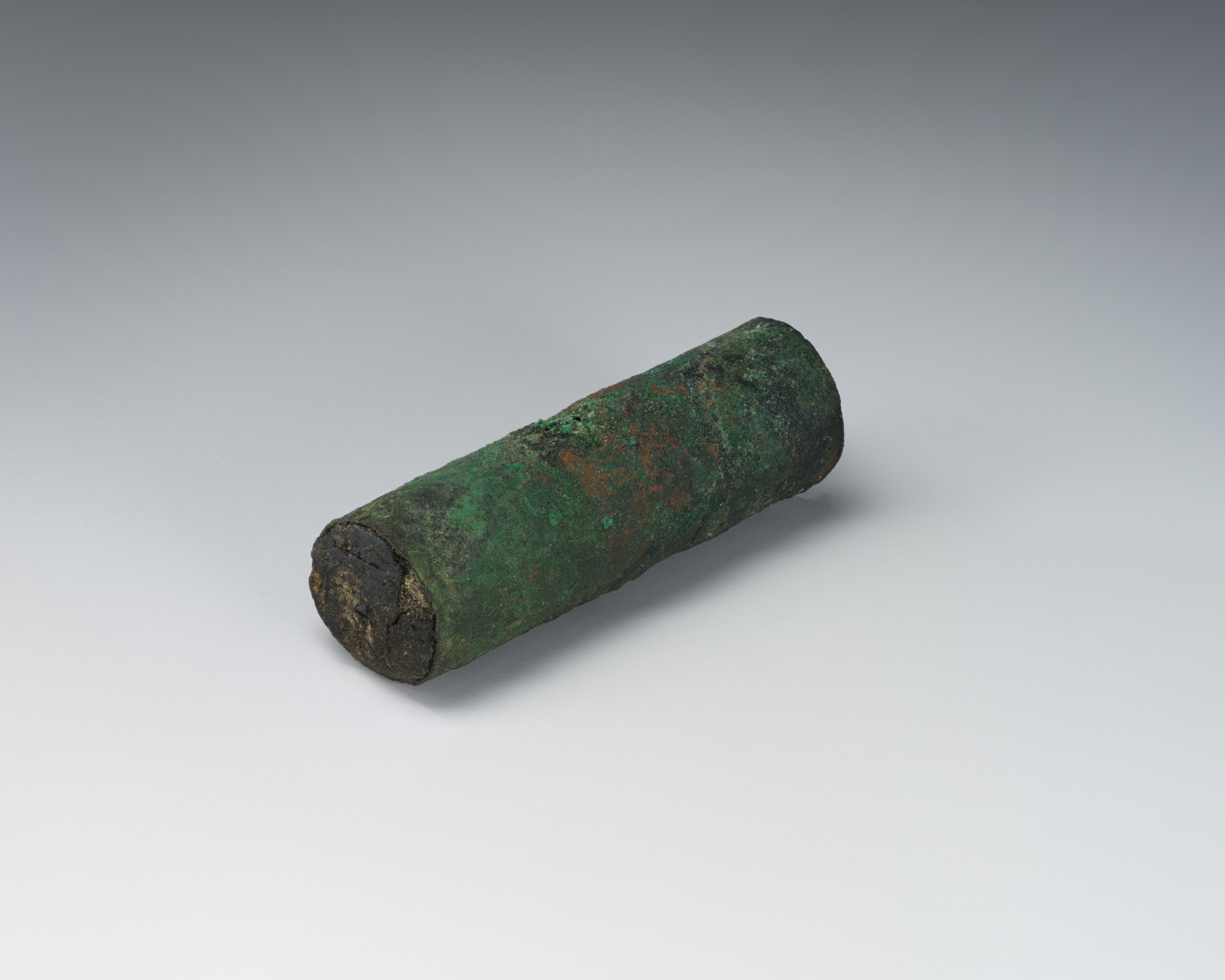
In the annals of material culture, few objects bridge the chasm between the mundane and the metaphysical as elegantly as the Sasanian amulet case. This artifact—fashioned from copper, sealed with bitumen, and bearing a green patina of centuries—is not merely a relic. It is a masterclass in the economics of belief, a testament to how ancient civilizations weaponized personal adornment to project power, invoke protection, and signal status. For Katherine Fashion Lab, this object offers a strategic blueprint for a 2026 high-end luxury line that transcends ornamentation to deliver what the modern affluent consumer most craves: talismanic agency.
Symbolic Power: The Metallurgy of Protection
The Sasanian Empire (224–651 CE), a superpower of Late Antiquity, understood that materiality is meaning. The amulet case, typically worn on a cord or pinned to garments, was a portable fortress of the soul. The choice of copper was deliberate. In Zoroastrian cosmology, metals were imbued with cosmic properties; copper, associated with the planet Venus and the yazata (divine being) Anahita, was believed to conduct spiritual energy while repelling malevolent forces. The bitumen seal—a black, petroleum-based adhesive—was not functional but ritualistic. It hermetically enclosed a scroll of prayers or incantations, transforming the case into a vessel of utterance. The amulet did not merely contain words; it imprisoned them, forcing the divine to act on the wearer’s behalf.
The green patina, often dismissed by modern conservators as corrosion, is in fact the object’s most eloquent feature. In Sasanian visual culture, green was the color of paradise, regeneration, and the sacred tree of life. As the copper oxidized over centuries, it did not degrade the amulet—it completed it. The patina became a living proof of temporal passage, a surface that recorded the amulet’s own history of devotion. For the Sasanian elite, an amulet without patina was a new coin; one with patina was an heirloom of accumulated spiritual credit. This is a critical lesson for luxury: age is not a defect but a premium asset.
Historical Adornment: The Body as a Battlefield of Beliefs
Sasanian adornment was never passive. Jewelry was a system of communication, a non-verbal language that broadcast allegiance to the crown, the clergy, and the cosmos. The amulet case, unlike a ring or a diadem, was intimate—it rested against the skin, often over the heart or the solar plexus. This placement was strategic. The Sasanians believed the body was a microcosm of the world, a territory contested by good and evil spirits. The amulet case served as a border checkpoint, intercepting curses, the evil eye, and the whispers of demons before they could breach the body’s perimeter.
Archaeological evidence suggests that amulet cases were stratified by class. Royal examples were gilded and inlaid with carnelian; those of the merchant class were simpler but no less potent. However, the form—a cylindrical or rectangular capsule—remained remarkably consistent across strata. This consistency is a powerful branding lesson. The Sasanians recognized that a symbol’s efficacy lies not in novelty but in repetition and recognizability. The amulet case was a logo before logos existed.
Spiritual Meaning: The Economics of Invisible Value
The amulet case’s spiritual function was to materialize the immaterial. The scroll inside was invisible, but its power was undeniable. This is the essence of luxury: the creation of value that cannot be quantified by weight or carat. The Sasanian wearer did not buy a copper tube; they bought peace of mind, social immunity, and cosmic favor. The bitumen seal was the guarantee of authenticity—a tamper-evident mechanism that assured the wearer the spell had not been diluted or replaced.
For Katherine Fashion Lab, the amulet case’s spiritual dimension offers a direct response to the 2026 luxury market’s existential fatigue. The post-pandemic, post-truth consumer is not asking for more products; they are asking for protection against chaos. The amulet case is a physical answer to an emotional problem. It does not promise to solve a problem; it promises to contain the problem. This is a profound shift from status-driven luxury (the “look at me” of the 2010s) to agency-driven luxury (the “shield me” of the late 2020s).
2026 High-End Luxury Strategy: The Talismanic Turn
Katherine Fashion Lab’s 2026 collection should not merely reference the Sasanian amulet case; it must operationalize its logic. The strategy rests on three pillars:
Pillar One: The Patina Premium. The 2026 luxury consumer is saturated with sterile, machine-polished surfaces. They crave the imperfect as a marker of the authentic. The collection should introduce a “Living Patina” program, where each amulet-inspired piece is pre-aged through a controlled oxidation process, creating a unique, non-replicable surface. The green patina becomes the brand’s signature—a visual proof of heritage, not in the past but in the present. Marketing copy should reframe “tarnish” as “time’s signature,” a deliberate counter-narrative to the fast-fashion obsession with the new.
Pillar Two: The Sealed Narrative. The bitumen seal is the strategic key. Katherine Fashion Lab will offer a “Ritual Seal” service: each amulet case is delivered with a removable, wax-like seal that the client can break to insert a personal message, prayer, or intention. This transforms the product from a static object into a dynamic ritual. The seal is not a packaging element; it is the product’s core function. This creates a high-margin, low-cost customization service—the client pays for the act of sealing, not the seal itself. It also generates repeat business: clients return to “re-seal” for new life chapters, creating a subscription model for spiritual luxury.
Pillar Three: The Invisible Scroll. The most radical luxury is the one that cannot be seen. The 2026 collection will feature a “Hidden Content” line: amulet cases that contain a micro-engraved metal scroll with a generic but potent incantation—a blessing for resilience, a curse against burnout. The scroll is never revealed to the public; it is known only to the wearer and the brand. This secrecy is the ultimate exclusivity. It cannot be photographed, posted, or imitated. It exists purely in the contract between the wearer and the object. This is the apotheosis of luxury: value that cannot be displayed, only felt.
Conclusion: The Amulet as a Strategic Archetype
The Sasanian amulet case is not an antique curiosity; it is a prototype for the future of high-end luxury. It teaches us that the most durable objects are not those that resist time but those that absorb it. It reminds us that the human need for protection, meaning, and agency is not a niche market—it is the market. As Katherine Fashion Lab positions itself for 2026, the amulet case should not be a historical reference but a strategic imperative. The brand that can sell a copper tube with a sealed prayer to a global elite has solved the riddle of luxury: it has sold the invisible, and made it worth more than gold.