Fragments of Wabi-Sabi: The Symbolic Power of Brown Plain Cloth in Japanese Heritage and its 2026 Luxury Trajectory
In the lexicon of Japanese aesthetic philosophy, few concepts carry the weight of wabi-sabi—the acceptance of transience and imperfection. For Katherine Fashion Lab, the subject of Fragments, rendered in brown plain cloth, is not a minimalist gesture but a profound strategic articulation. This analysis deconstructs the material’s historical adornment, spiritual resonance, and symbolic power, culminating in a 2026 high-end luxury strategy that positions the brand at the intersection of cultural gravitas and contemporary exclusivity.
Historical Adornment: The Unassuming Authority of Indigo’s Antithesis
While Japanese textile history often celebrates the vibrant indigo of aizome, brown plain cloth—specifically kaki (persimmon-dyed) or undyed tsumugi (raw silk)—occupies a quieter, yet more authoritative, register. Historically, brown was the color of earth, bark, and tea, worn by the samurai class in their private quarters and by tea masters who sought to strip adornment to its essential core. Unlike the ceremonial brilliance of brocade, brown plain cloth was the fabric of shibui—the understated, the restrained, the deeply refined.
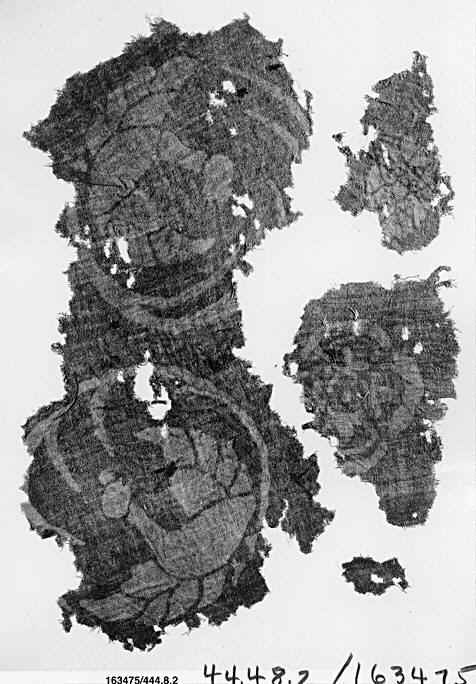
In the Edo period, kogin and boro textiles—patched, mended, and layered—were constructed from brown and natural fibers. These fragments were not discarded but recomposed into new garments, each stitch a record of labor and survival. For Katherine Fashion Lab, the “Fragments” motif draws directly from this boro tradition, where the cloth’s plainness is not a lack of design but a deliberate accumulation of memory. The brown hue, derived from tannin-rich persimmon, also served a practical purpose: it was waterproof, antibacterial, and grew more beautiful with age—a precursor to modern luxury’s obsession with patina and longevity.
Spiritual Meaning: The Zen of Incompleteness
Beyond utility, brown plain cloth carries a spiritual charge rooted in Zen Buddhism and Shinto animism. The fragment—kire in Japanese—is a philosophical device. In Zen, the broken teacup repaired with gold (kintsugi) celebrates the crack as a site of beauty. Similarly, a fragment of brown cloth is not a remnant of loss but a concentration of essence. It embodies ma (negative space) and yūgen (profound mystery), where the unfinished invites the wearer’s imagination to complete the narrative.
In Shinto, natural fibers and undyed materials are considered closer to the kami (spirits) because they have not been artificially transformed. Brown, the color of the forest floor and the bark of the sacred sugi tree, grounds the wearer in a primal connection to the earth. The fragment, therefore, is not a metaphor for decay but a sacramental object—a reminder that wholeness is an illusion, and true power lies in accepting one’s incomplete, evolving state. For the modern luxury consumer, this spiritual meaning offers a counter-narrative to perfectionism: wearing a fragment is an act of humble defiance against mass-produced uniformity.
Symbolic Power: The Fragment as Status of the Conscious Elite
In the context of global luxury, the symbolic power of Fragments lies in its inversion of conventional status markers. Where traditional luxury signals wealth through abundance and flawless surfaces, brown plain cloth signals a higher form of cultural capital—one that requires education to decode. The fragment symbolizes:
- Authenticity: Each piece is unique, carrying the irregularity of hand-spun, hand-loomed fiber.
- Restraint: The absence of ornament is a statement of confidence, not austerity.
- Continuity: Fragments link the wearer to a lineage of artisans who valued preservation over consumption.
This is a quiet luxury that speaks to the connoisseur, not the crowd. The brown cloth becomes a coded language—visible only to those who understand the depth of Japanese aesthetics. In a market saturated with logos, the fragment is an anti-logo, yet its symbolic power is exponentially greater because it requires insider knowledge to appreciate.
2026 High-End Luxury Strategy: From Artifact to Asset
For Katherine Fashion Lab, the 2026 strategy must elevate Fragments from a nostalgic reference to a forward-looking luxury asset. The following strategic pillars will guide this transformation:
1. Scarcity via Artisanal Provenance
Partner exclusively with living national treasure weavers in the Tohoku region, where boro traditions persist. Limit production to 100 pieces globally, each accompanied by a certificate of provenance detailing the specific region, artisan, and historical technique. This creates a collector’s market, where the fragment is not a garment but a wearable artifact with appreciating value.
2. Narrative-Driven Customization
Offer a bespoke fragment program where clients submit a personal textile—a childhood kimono, a grandfather’s work shirt—and Katherine Fashion Lab integrates it into a new brown plain cloth composition. This transforms the brand from a seller of products to a custodian of personal heritage, aligning with the 2026 consumer’s demand for emotional resonance over transactional luxury.
3. Digital Provenance via Blockchain
Embed NFC chips in each fragment, linking to a digital archive that documents the cloth’s journey—from persimmon harvest to loom to atelier. This satisfies the tech-savvy luxury buyer’s need for transparency while reinforcing the fragment’s authenticity. The digital layer does not detract from the tactile experience but enhances its mythic status.
4. The “Incomplete” Capsule
Launch a 2026 capsule titled “Kire: The Unfinished”, featuring garments with visible raw edges, intentional gaps, and exposed mending stitches. Price these 20-30% higher than finished pieces, positioning the fragment as the ultimate luxury: the freedom to remain incomplete. This challenges the industry’s obsession with perfection and aligns with the wabi-sabi ethos of finding beauty in decay.
5. Experiential Retail as Temple
Redesign flagship stores as meditative spaces—dim lighting, natural wood, and a central installation of brown cloth fragments suspended in glass. Clients are invited to touch the cloth, smell the persimmon tannins, and participate in a mending ceremony where they repair a fragment under the guidance of a master artisan. This transforms the purchase into a rite of passage, not a transaction.
Conclusion: The Fragment as the Future of Luxury
In an era of hyper-consumption, the Fragments collection by Katherine Fashion Lab is a radical proposition: that less is not only more, but infinitely more valuable. The brown plain cloth, steeped in centuries of Japanese spiritual and artisanal practice, offers a material language of resilience, memory, and quiet power. By 2026, this heritage will not be a backward glance but a strategic spearhead—redefining luxury as the ability to own something that is simultaneously ancient and avant-garde, broken and whole. The fragment is not a remnant; it is the essence. And in that essence, Katherine Fashion Lab will find its most enduring competitive advantage.