The Vulture Amulet: A Heritage Analysis for Katherine Fashion Lab
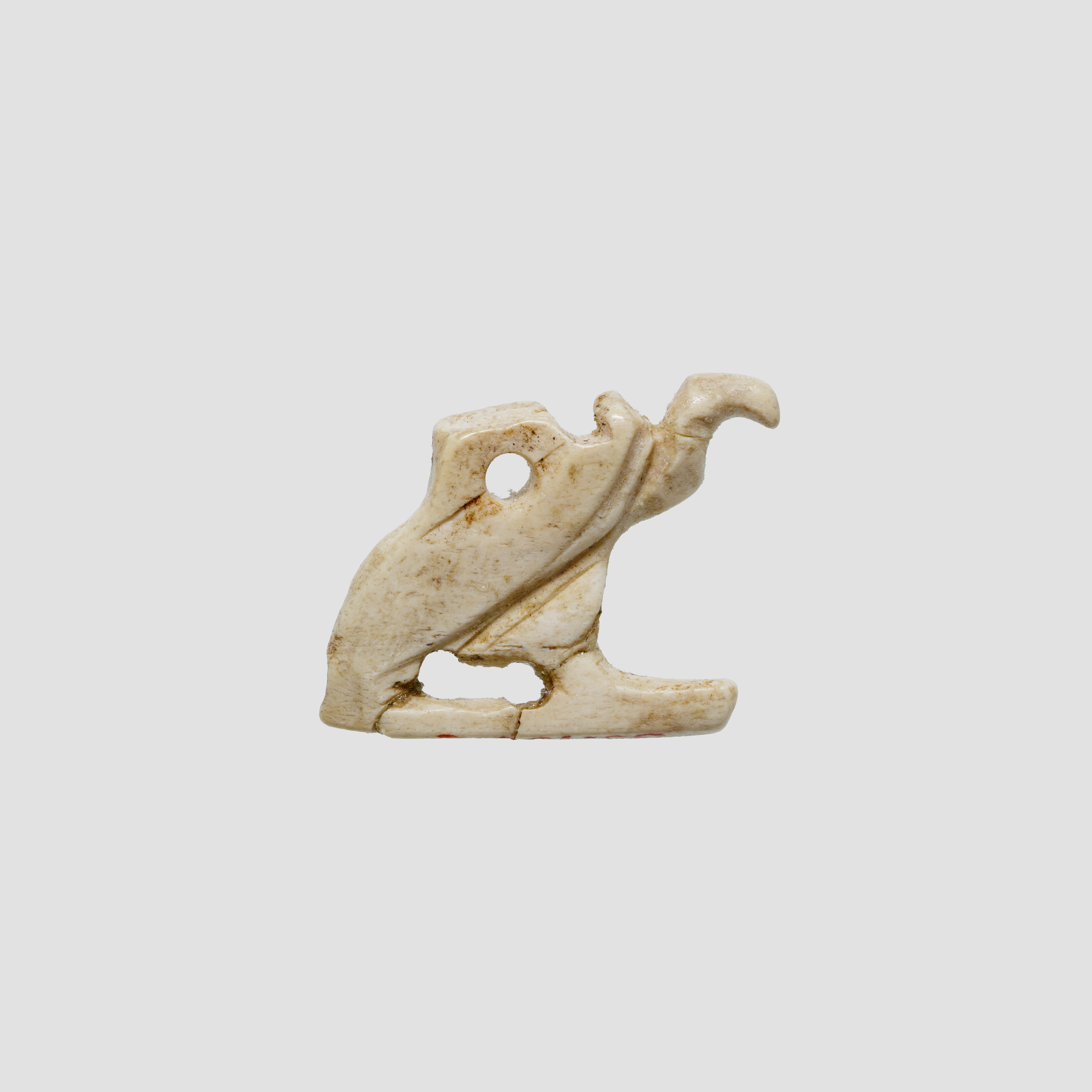
The vulture amulet, rendered in ivory or bone from an ancient civilization, represents a profound intersection of mortal fear and divine protection. For Katherine Fashion Lab, this artifact is not merely a historical curiosity but a strategic blueprint for 2026 luxury positioning. This analysis deconstructs the amulet’s symbolic power, its role in historical adornment, its spiritual architecture, and translates these elements into a high-end commercial narrative that commands authority, scarcity, and cultural depth.
Symbolic Power: The Sovereign Predator
In ancient cosmologies—particularly within Nile Valley cultures and Mesopotamian funerary rites—the vulture was not a scavenger of decay but a creature of celestial purification. The vulture’s ability to consume carrion was reinterpreted as the transmutation of death into life, a cycle reserved for royalty and the elite. The amulet’s medium, ivory or bone, amplifies this symbolism. Ivory, sourced from the elephant, signified imperial conquest and unyielding strength. Bone, often from the vulture itself or a sacrificial animal, carried the essence of the creature’s spirit. When carved into a pendant or a pectoral, the amulet became a portable throne of power.
For the modern luxury consumer, this symbolic power translates into a narrative of transformative dominance. The vulture amulet is not a passive talisman; it is an active claim to resilience. In 2026, where economic volatility and cultural fragmentation dominate, a clientele seeks objects that embody controlled ferocity. The amulet’s symbolism—death to decay, rise to renewal—offers a psychological armor. Katherine Fashion Lab can leverage this by positioning the amulet as a "sovereign accessory" for the boardroom and the gala, a silent declaration that the wearer consumes challenges rather than avoids them.
Historical Adornment: The Amulet as Status Architecture
Historically, amulets were not worn indiscriminately. They were reserved for pharaohs, high priests, and warriors of noble lineage. The placement of the amulet on the body was deliberate: over the heart to guard the life force, on the throat to command speech, or at the solar plexus to project authority. The material—ivory or bone—was often carved with micro-incisions depicting wings spread in flight, a visual metaphor for the soul’s ascension. This was adornment as spiritual engineering.
In a heritage strategy for 2026, Katherine Fashion Lab must treat the amulet not as a standalone pendant but as a system of placement. The luxury offering should include a curated line of wearable configurations: a choker for the throat (command), a brooch for the chest (protection), and a cuff for the wrist (agency). This approach transforms the amulet from a single SKU into a ritualized wardrobe. The historical precedent of placement allows the brand to market a "positional collection," where each piece is designed for a specific sphere of influence—negotiation, public address, or private deliberation. This is not jewelry; it is strategic regalia.
Spiritual Meaning: The Guardian of the Threshold
The spiritual function of the vulture amulet was to act as a threshold guardian. In ancient Egyptian texts, the vulture goddess Nekhbet was depicted as a protector of the pharaoh, her wings spanning the heavens. The amulet, therefore, was an intermediary between the mortal wearer and the divine order. It was believed to deflect malevolent spirits, neutralize curses, and ensure safe passage into the afterlife. The ivory or bone medium was chosen for its porous, organic nature—believed to absorb negative energies and transmute them into protective force.
For the 2026 luxury market, spirituality is not about organized religion but about personal sovereignty. The modern high-net-worth individual seeks objects that offer psychological containment in a chaotic world. The vulture amulet provides a tangible anchor for meditation, intention-setting, and personal ritual. Katherine Fashion Lab can develop a heritage narrative that presents the amulet as a "psychic shield," a piece that the wearer activates through daily intention. This is a strategic pivot from passive ornamentation to active participation. The brand can offer a companion digital experience—a private app or a printed manuscript—detailing the amulet’s ancient incantations, repurposed as modern affirmations. This creates a layered value proposition: the physical artifact plus the ritual knowledge, priced at a premium for its exclusivity and depth.
2026 High-End Luxury Strategy: Scarcity, Provenance, and Narrative Control
To position the vulture amulet as a flagship 2026 item, Katherine Fashion Lab must execute a three-pillar strategy: authenticated provenance, limited materiality, and experiential storytelling.
Authenticated Provenance and Ethical Sourcing
In 2026, the luxury consumer is hyper-aware of ethical sourcing. The use of ivory is legally and morally untenable. Therefore, the brand must pivot to fossilized ivory (mammoth tusk) or sustainably sourced bone—both of which offer the same visual and tactile gravitas without ecological damage. Each amulet should be accompanied by a blockchain-verified provenance certificate, detailing its origin, the artisan’s lineage, and the ancient civilization’s cultural context. This transforms the amulet from a commodity into a collectible artifact, with a documented chain of custody that justifies a five-figure price point.
Limited Materiality and Bespoke Commission
Scarcity is the engine of luxury desire. The vulture amulet collection should be limited to 2026 pieces globally, each numbered and registered. Furthermore, the brand should offer a bespoke commission tier where clients can select the specific bone or fossilized ivory, the carving depth, and the gold or platinum hardware. This moves the product from ready-to-wear to haute patrimoine—high heritage. The client is not buying a necklace; they are commissioning a personal relic.
Experiential Storytelling and Private Salon
Finally, the amulet’s launch must be an event, not a product drop. Katherine Fashion Lab should host a private salon in a heritage venue—a museum, a historical library, or a private estate—where guests are guided through the amulet’s history by a curated archaeologist. The presentation should include a multi-sensory component: scent (frankincense and myrrh), sound (ancient throat singing or low drums), and tactile interaction with replica materials. This is immersion as marketing. The goal is to create a memory that is inseparable from the product, ensuring that the amulet is perceived not as an accessory but as a rite of passage into an elite echelon.
Conclusion: The Amulet as a Strategic Asset
The vulture amulet, in its ancient ivory or bone form, offers Katherine Fashion Lab a rare opportunity to transcend seasonal trends and establish a permanent heritage pillar. Its symbolic power of transformation, its historical role as status architecture, and its spiritual function as a guardian align perfectly with the 2026 luxury consumer’s desire for meaning, exclusivity, and psychological empowerment. By executing a strategy of ethical provenance, limited materiality, and experiential storytelling, the brand can position this amulet not merely as a product but as a cultural credential. The wearer does not simply own a piece of history; they inherit its authority. This is the ultimate luxury—not the object itself, but the sovereignty it confers.