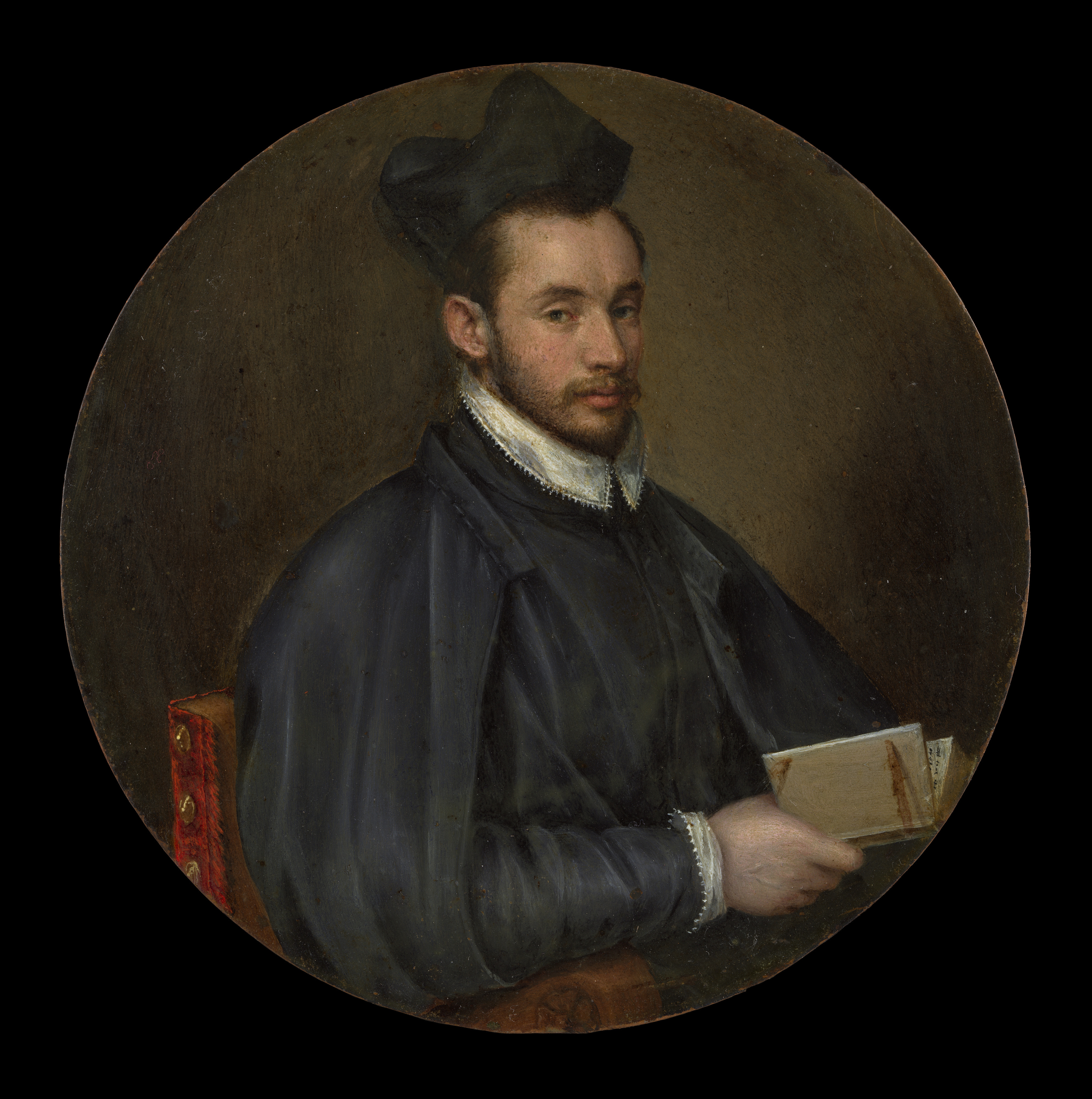
The Luminescence of Legacy: A Couture Analysis of *Portrait of a Prelate*
In the rarefied sphere where haute couture meets the fine arts, few objects command the same quiet authority as a masterfully executed portrait. Katherine Fashion Lab’s current exhibition, *Global Heritage*, presents a standalone study that defies the conventional boundaries of textile and pigment: *Portrait of a Prelate*, rendered in oil on copper. This is not merely a painting; it is a sartorial manifesto frozen in time, a dissertation on power, texture, and the enduring dialogue between the human form and its adornment. In an era dominated by fast fashion and digital ephemera, this work demands a slow, deliberate reading—a return to the principles of permanence, material integrity, and the semiotics of ecclesiastical dress.
Material Alchemy: The Copper Substrate as a Foundational Garment
The choice of copper as the support medium is the first, and perhaps most profound, couture decision in this piece. Unlike the absorbent, forgiving nature of canvas or linen, copper presents a surface of unyielding rigidity and inherent luminosity. In the language of fashion, this equates to selecting a heavy, structured silk duchesse or a metallic lamé for a gown’s foundation—a fabric that does not drape, but rather asserts its own shape. The artist’s decision to work on copper is akin to a couturier’s choice of a boned corset: it provides an internal architecture that forces the subject to sit with absolute, formal posture.
Furthermore, the metallic ground acts as a latent light source. As the oil paint wears thin in the creases and folds of the prelate’s robes, the copper beneath glows through, creating a subtle, internal illumination that mimics the sheen of a well-worn, high-quality wool or the glint of a gold thread in a brocade. This is not a passive backdrop; it is an active participant in the rendering of volume. The technique recalls the work of the Old Masters, who understood that the ground upon which one paints is the canvas upon which one builds a silhouette. Here, the copper is the invisible underlayer, the "lining" of the painted garment, lending a warmth and depth that a cooler, neutral support could never achieve.
Deconstructing the Ecclesiastical Silhouette: Structure and Volume
The prelate’s vestments form a complex study in architectural draping. The composition is anchored by a monumental mozzetta—the short, shoulder-length cape—which is rendered with a volumetric weight that feels almost sculptural. The folds are not soft or flowing; they are sharp, deliberate, and deeply shadowed, resembling the pleats of a pleated leather skirt or the rigid folds of a heavyweight vicuña coat. This is a garment that has been engineered, not merely sewn. The artist captures the precise point where the fabric breaks over the shoulder, creating a cantilever of cloth that speaks to the immense social and spiritual weight the prelate carries.
Beneath the mozzetta, the rochet—a tunic of fine white linen or lace—provides a striking textural contrast. The painter has rendered this not as a flat white, but as a series of delicate, almost imperceptible ridges and highlights that suggest the intricate needlework of punto in aria or Venetian lace. This is the couture equivalent of a hand-embroidered broderie anglaise; it is labor-intensive, delicate, and signifies immense wealth and status. The juxtaposition of the heavy, opaque outer layer against the translucent, intricate inner layer is a masterclass in layering—a principle that remains foundational in contemporary luxury design, from the runway to the red carpet.
The Palette of Power: Ochre, Crimson, and the Absence of Excess
Katherine Fashion Lab’s analysis focuses on the restrained, yet potent, chromatic palette. The prelate is not depicted in the vivid, cardinal reds one might expect from high-ranking clergy. Instead, the artist employs a muted, almost burnt crimson and ochre, earth tones that have been aged and deepened by the copper ground. This is a strategic choice. In fashion terminology, this is the difference between a neon-bright, trend-driven hue and a deep, heritage color that has been "aged" through natural dyes like madder root or cochineal. The muted saturation suggests a man who has moved beyond the need for ostentatious display; his power is so absolute that it can afford to whisper.
The use of shadow is equally significant. The face, lined and weathered, emerges from a darkness that is not menacing but contemplative. The skin tones are built up through glazes, allowing the copper to impart a sallow, candlelit warmth. This is the couture of chiaroscuro—a play of light and dark that defines the topography of the face as a landscape of experience. The prelate’s expression is not one of joy or benevolence, but of profound, weary authority. His gaze is direct, yet distant, as if he is assessing the viewer’s pedigree before granting an audience. His hands, resting with deliberate stillness, are rendered with the same precision one would apply to the cut of a bespoke suit cuff—every knuckle, every tendon, is a seam in the narrative of his life.
Standalone Study: The Intimacy of the Single Subject
The context of this piece as a standalone study is crucial to its couture interpretation. Unlike a formal, full-length state portrait, which is designed for public display and dynastic propaganda, this bust-length study feels private, almost confessional. It is a sartorial sketch, a fitting-room moment where the subject is not performing for a court, but is caught in a state of reflective stillness. This intimacy allows the viewer to focus entirely on the details of the garment’s construction and the psychological weight of the sitter.
In the world of ateliers, a "standalone study" is comparable to a toile—a prototype that reveals the bones of the design without the distraction of final embellishments. Yet, here, the "toile" is the final product. The artist has elevated the preparatory study to a finished work of art, suggesting that the essence of the prelate’s character is best captured in this unguarded moment. The absence of background props—no crucifix, no books, no architectural elements—serves to focus the eye entirely on the sartorial armor and the face that wears it. This is minimalism in the service of maximal impact, a lesson in restraint that modern designers often forget.
Conclusion: A Masterclass in Enduring Elegance
Portrait of a Prelate is more than a historical curiosity; it is a living textbook on the principles of high-end craftsmanship. For the contemporary observer at Katherine Fashion Lab, the work offers a poignant commentary on the nature of authority and its visual representation. The prelate’s attire is not a costume; it is an extension of his identity, a carefully curated ensemble that communicates rank, intellect, and spiritual gravitas.
From the luminous copper foundation to the final, precise brushstroke that delineates a fold of cloth, this painting is a testament to the idea that true luxury is not loud, but deeply considered. It is the weight of a fabric, the integrity of a material, and the confidence of a silhouette that has been perfected over centuries. In a fashion landscape obsessed with the new, this standalone study serves as a powerful reminder that the most radical statement is often the one rooted in heritage, permanence, and the unyielding quality of a well-made garment. The prelate does not move; he simply exists, and in that existence, he defines the very essence of enduring style.