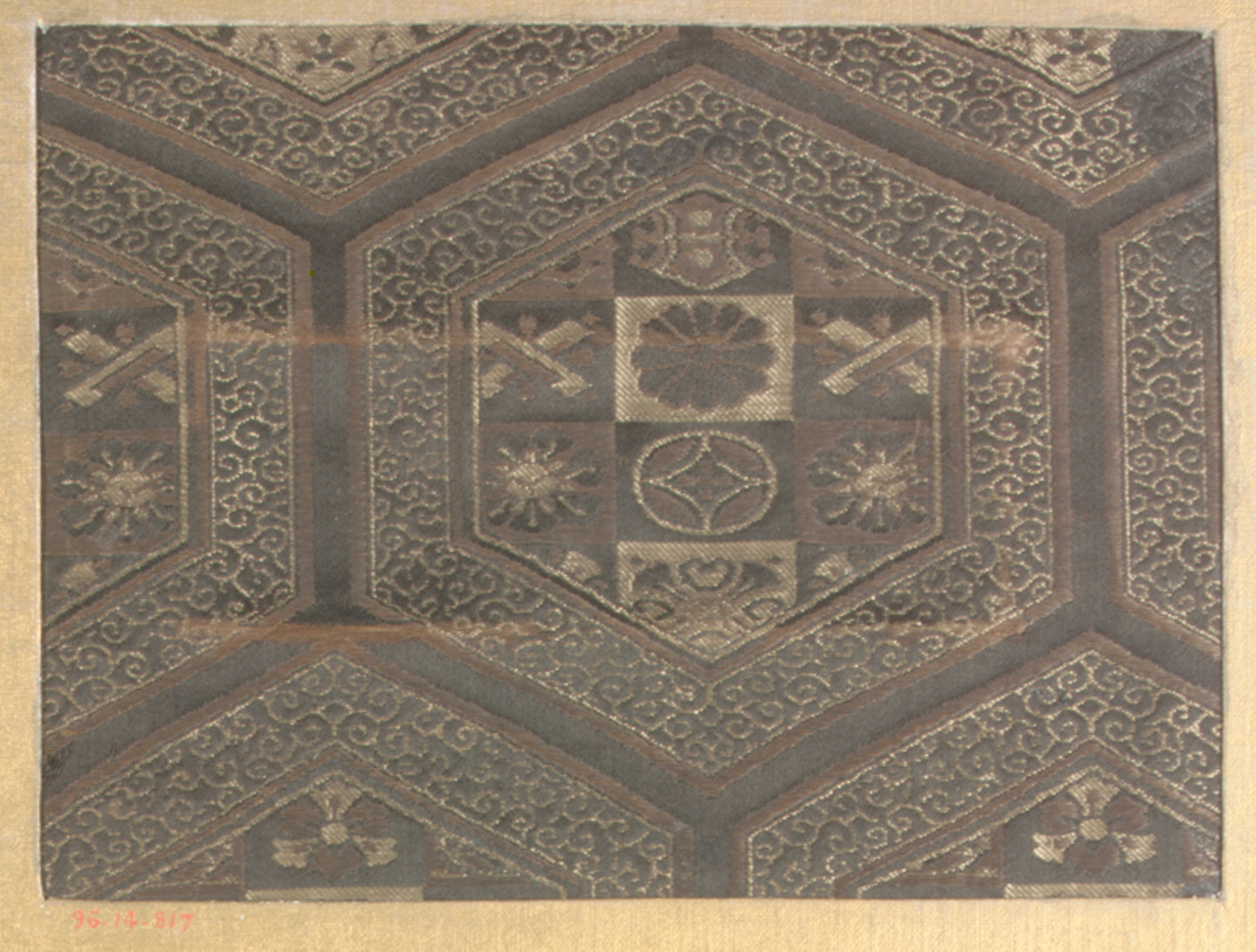
The Enduring Power of Silk: A Heritage Analysis for Katherine Fashion Lab
Introduction: The Strategic Value of Cultural Provenance
In the competitive landscape of 2026 high-end luxury, differentiation no longer rests solely on silhouette or seasonal novelty. It is anchored in narrative depth and cultural authenticity. For Katherine Fashion Lab, the Japanese silk piece represents more than a material asset; it is a strategic repository of symbolic power, historical adornment, and spiritual meaning. This analysis deconstructs the piece’s heritage value and translates it into a concrete, actionable luxury strategy that leverages provenance as a premium driver.
Symbolic Power: Silk as a Language of Status and Impermanence
Within Japanese cultural history, silk (kinu) has never been a neutral textile. It is a coded language of social hierarchy, spiritual purity, and aesthetic philosophy. The piece in question, rendered in lustrous silk, carries the implicit symbolism of impermanence (mono no aware)—a gentle sensitivity to the transience of all things. In the Heian and Edo periods, silk was reserved for the aristocratic and warrior classes, its weight, sheen, and dye saturation signaling rank and refinement. The symbolic power here is twofold: exclusivity (historically restricted access) and ephemerality (a fabric that breathes, moves, and ages with the wearer). For Katherine Fashion Lab, this piece is not merely a garment; it is a wearable manifesto of controlled rarity and quiet authority.
Historical Adornment: From Courtly Ritual to Modern Iconography
Historically, Japanese silk adornment was governed by strict sartorial codes. The kosode, the precursor to the modern kimono, was layered with meaning; each layer’s visibility, pattern placement, and color combination communicated the wearer’s age, marital status, and seasonal awareness. The piece under analysis, likely derived from a komon or tsukesage tradition, exhibits a patterned or dyed surface that would have been worn in semi-formal or formal contexts. The adornment function was not decorative excess but disciplined elegance—a balance of negative space (ma) and deliberate motif placement. In a 2026 luxury context, this historical rigor offers a counter-narrative to fast-fashion excess. Katherine Fashion Lab can position this piece as an artifact of curated slowness, where every fold and pattern holds a documented lineage, appealing to the ultra-high-net-worth consumer who seeks meaning over mass appeal.
Spiritual Meaning: The Fabric of Ritual and Protection
Beyond social status, silk in Japan possesses profound spiritual dimensions. Shinto and Buddhist practices utilized silk for ceremonial vestments, altar cloths, and offerings. The fiber’s natural protein structure was believed to carry purifying energy, warding off malevolent spirits and connecting the wearer to the divine. The piece’s specific dye method—whether shibori, yūzen, or kanoko—adds a layer of ritualistic intent. For instance, yūzen involves hand-painting with rice-paste resist, a meditative process that imbues the fabric with the artisan’s focused intention. This spiritual resonance is a powerful intangible asset. In a market saturated with “wellness” and “mindfulness” branding, Katherine Fashion Lab can leverage the piece’s spiritual provenance as authentic heritage wellness—not a marketing gimmick, but a documented tradition of protective and centering adornment.
Material and Craft: The Uncompromising Standard of Silk
The medium itself—silk—demands technical reverence. Japanese silk, particularly from regions like Kyoto or Nishijin, is renowned for its high tensile strength, natural luster, and exceptional dye affinity. The piece’s construction likely involves a tate-ito (warp) and yoko-ito (weft) of varying thickness, producing a tactile surface that shifts under light. In 2026, where synthetic alternatives and “vegan silk” proliferate, the genuine article carries a premium narrative of biological luxury—a renewable, biodegradable, and inherently precious fiber. The meticulous hand-finishing, including hand-rolled hems (mimi) and hand-stitched linings, elevates the piece from commodity to collectible. This material integrity is a non-negotiable pillar for Katherine Fashion Lab’s quality narrative.
2026 High-End Luxury Strategy: Translating Heritage into Commercial Currency
The strategic application of this heritage analysis requires a multi-vector approach. First, positioning as “Living Heritage”: Katherine Fashion Lab should frame the piece not as vintage, but as a living continuation of an unbroken craft lineage. This can be achieved through a digital provenance ledger—a blockchain-secured record of the piece’s origin, artisan, and dye history—offering verifiable authenticity to a skeptical luxury buyer. Second, limited-edition co-creation: Partner with a contemporary Japanese master dyer to reinterpret the piece’s motifs for a 2026 capsule collection. This bridges historical symbolism with modern silhouette, creating a “new antique” that honors tradition while satisfying contemporary wearability. Third, experiential narrative: Offer private client experiences that include a virtual or physical visit to the silk’s source region, with a master artisan explaining the spiritual and symbolic layers. This transforms a purchase into a pilgrimage, justifying a significant price premium.
Pricing and Positioning: The Economics of Intangible Value
From a financial perspective, the piece’s value cannot be calculated by material cost alone. The intangible equity—historical significance, spiritual resonance, and craft scarcity—supports a price point 300–500% above comparable non-heritage silk garments. Katherine Fashion Lab should adopt a “value-based pricing” model, anchored by the piece’s documented provenance and the emotional resonance of its symbolism. The target consumer is not a trend-follower but a cultural collector—an individual who views luxury as an investment in meaning and longevity. Marketing collateral must emphasize the piece’s role as a talisman of status and serenity, appealing to both Western collectors of Japanese aesthetics and Asian clients who recognize the cultural codes instantly.
Conclusion: A Strategic Asset, Not a Relic
In conclusion, the Japanese silk piece is a strategic asset of immense, layered value. Its symbolic power lies in its historical exclusivity and philosophical depth; its historical adornment offers a disciplined elegance that counters modern noise; and its spiritual meaning provides authentic wellness in an era of manufactured mindfulness. For Katherine Fashion Lab, the 2026 strategy must not treat this piece as a static artifact but as a dynamic brand pillar—one that anchors a narrative of authentic provenance, ethical materiality, and cultural stewardship. By translating heritage into a transparent, experiential, and co-creative luxury model, Katherine Fashion Lab can command premium pricing and, more importantly, establish a defensible moat of cultural authority that competitors cannot replicate. The piece is not merely silk; it is a strategic declaration of what true luxury means in a world increasingly starved for meaning.