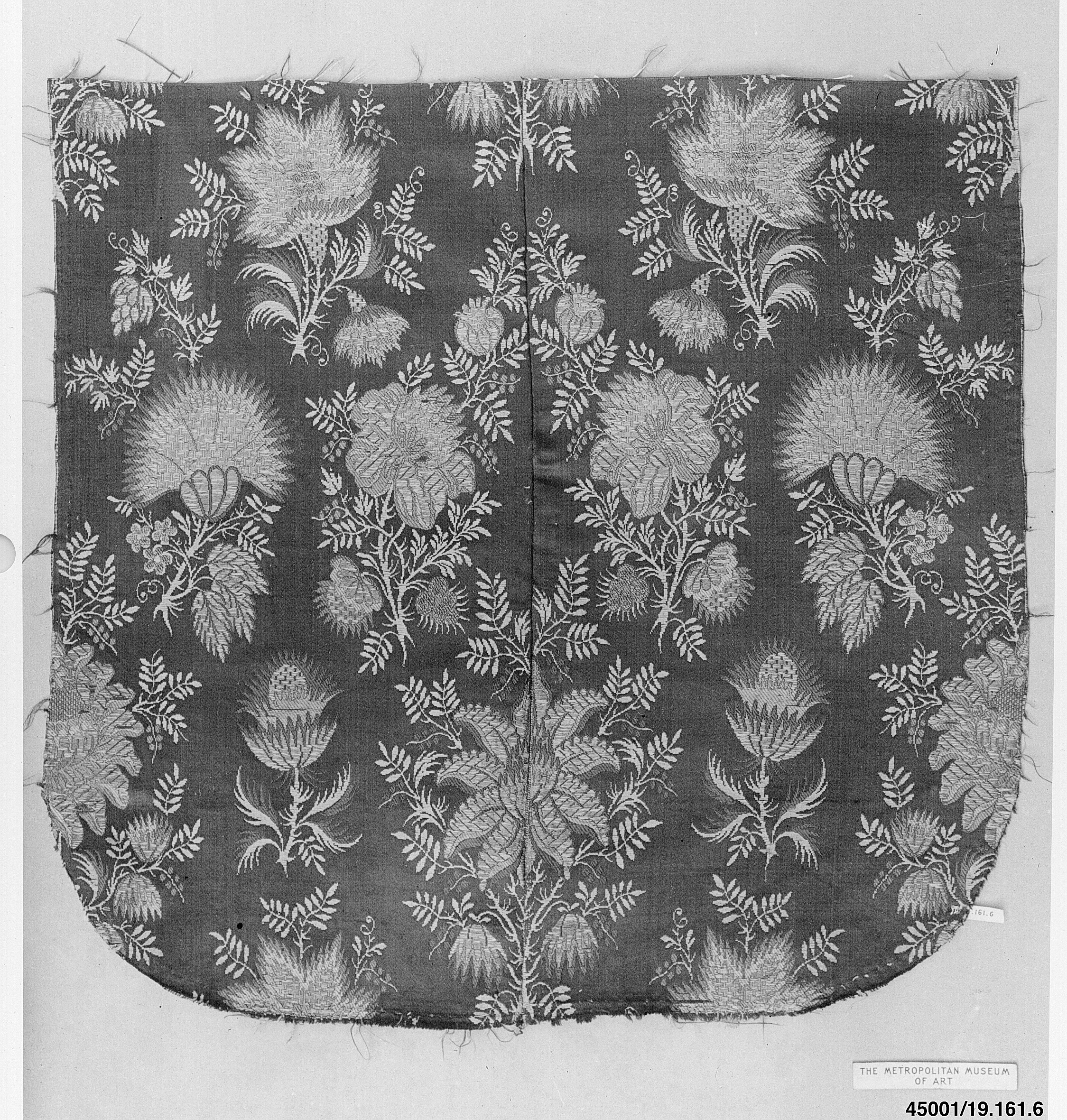
Deconstructing the Fragment: A Study in Global Heritage and Material Alchemy
In the rarefied echelons of haute couture, where innovation is often mistaken for spectacle, Katherine Fashion Lab’s latest standalone study, “Fragment,” emerges as a masterclass in intellectual restraint and material profundity. This is not a garment designed for the red carpet; it is a philosophical object, a wearable thesis on the nature of memory, loss, and cultural re-assembly. By isolating a single conceptual subject—the fragment—and grounding it in a narrative of Global Heritage, the Lab has produced a piece that transcends mere fashion to become a curatorial meditation on the very fabric of human history.
The selection of silk and metal thread as the sole material vocabulary is a deliberate act of editorial precision. Silk, the ancient artery of the Silk Road, speaks to a lineage of luxury, trade, and cross-continental dialogue. Metal thread, conversely, introduces a rigorous, almost archaeological permanence—a suggestion of armature, of structure surviving decay. Together, they form a dialectic: the ephemeral against the eternal, the soft against the rigid. In this standalone study, the Lab does not merely combine these materials; it orchestrates a tension that is both tactile and intellectual.
The Aesthetics of Rupture: Form and Silhouette
The silhouette of “Fragment” defies the conventional drapery associated with silk. Rather than flowing, it fractures. The primary form is an asymmetric, sculptural shell that appears to have been excavated from a larger, unknowable garment. One shoulder is fully articulated, structured with a metallic underlay that suggests a pauldron—a nod to ceremonial armor—while the opposite side dissolves into a raw, unfinished edge of fraying silk filaments. This is not accidental deconstruction; it is a calculated representation of cultural palimpsest, where layers of heritage are partially erased, leaving only the most resilient traces.
The construction technique is where the Lab’s technical virtuosity becomes evident. The metal thread is not merely embroidered onto the silk surface; it is woven into the very warp and weft of the fabric, creating a hybrid textile that shifts in weight and opacity across the body. In areas of high tension—the waist, the shoulder blade—the metal thread dominates, creating a rigid, almost corseted effect that evokes the structural integrity of historical regalia. In other zones, the silk asserts itself, billowing into soft, translucent pockets that catch light like fragments of a stained-glass window. This deliberate oscillation between rigidity and fluidity mirrors the historical process of fragmentation: some elements are ossified in time, while others remain fluid, open to reinterpretation.
The Grammar of Global Heritage
What distinguishes “Fragment” from generic postmodern pastiche is its rigorous commitment to a specific cultural lexicon. The Lab draws not from a single tradition, but from a syntax of global motifs, abstracted to their essential geometry. The metal thread work, for instance, references the zardozi embroidery of South Asia—a technique historically reserved for royal courts—yet the patterns are not floral or figurative. Instead, they are broken, non-repeating geometric lattices that evoke the fractured tiles of a Timurid mosque or the shattered geometry of an Andalusian arch.
Furthermore, the raw, unfinished edges of the silk recall the Japanese aesthetic of wabi-sabi, the beauty of imperfection and impermanence. Yet, this is not a passive nod to Eastern philosophy. The Lab recontextualizes this concept within a Western couture framework, creating a garment that is simultaneously a relic and a prophecy. The fragment, in this reading, is not a sign of loss but of translation—a piece of one culture’s heritage, re-articulated in another’s material language. The metal thread acts as the translator, forging connections between disparate geographies through a shared vocabulary of tensile strength and luminous reflection.
Material Narratives: The Alchemy of Silk and Metal
On a purely sensory level, the material pairing produces an extraordinary kinetic experience. As the wearer moves, the metal thread catches light in sharp, staccato flares, while the silk responds with a softer, undulating glow. This creates a visual rhythm of interruption and flow, a physical manifestation of the fragment’s dual nature. The weight of the garment is significant—the metal thread adds a substantial heft that grounds the wearer, demanding a posture of deliberate, almost ceremonial bearing. This is a garment that does not yield to the body; it commands it, reinforcing the idea that heritage is not a passive inheritance but an active, weighty responsibility.
From a technical textile analysis, the Lab has solved a formidable engineering problem: the prevention of metal thread fatigue and abrasion against the delicate silk. The solution lies in a proprietary micro-coiling technique, where the metal is wrapped around a silk core, allowing for flexibility without compromising tensile integrity. This innovation is not visible to the naked eye, but it is the hidden armature that allows the garment to function as both sculpture and apparel. It is a testament to the Lab’s philosophy that invisible engineering is the true luxury—the unsung structural logic that permits the poetic surface to exist.
Standalone Context: The Object as Argument
Presented as a standalone study, “Fragment” is stripped of the distraction of a full collection. There is no narrative of a “season,” no commercial imperative to sell a look. This curatorial decision forces the observer into a direct, unmediated dialogue with the object. The garment becomes a specimen, a piece of evidence in an ongoing argument about the sustainability of cultural memory. In this context, the fragment is not a flaw to be repaired but a provocation to be contemplated.
Katherine Fashion Lab’s “Fragment” ultimately succeeds because it refuses the easy allure of nostalgia. It does not romanticize the past; it interrogates it. The silk and metal thread are not mere materials but vectors of time, carrying the weight of centuries of trade, conquest, and craftsmanship. By isolating the fragment, the Lab offers a powerful metaphor for our contemporary condition—a globalized world where heritage is constantly being broken apart, translated, and reassembled. The garment is a reminder that true couture is not about covering the body, but about uncovering the forces that shape our collective identity. It is a rare, intellectually rigorous object that demands to be studied, not just worn—a fitting testament to the Lab’s position at the vanguard of conceptual fashion.