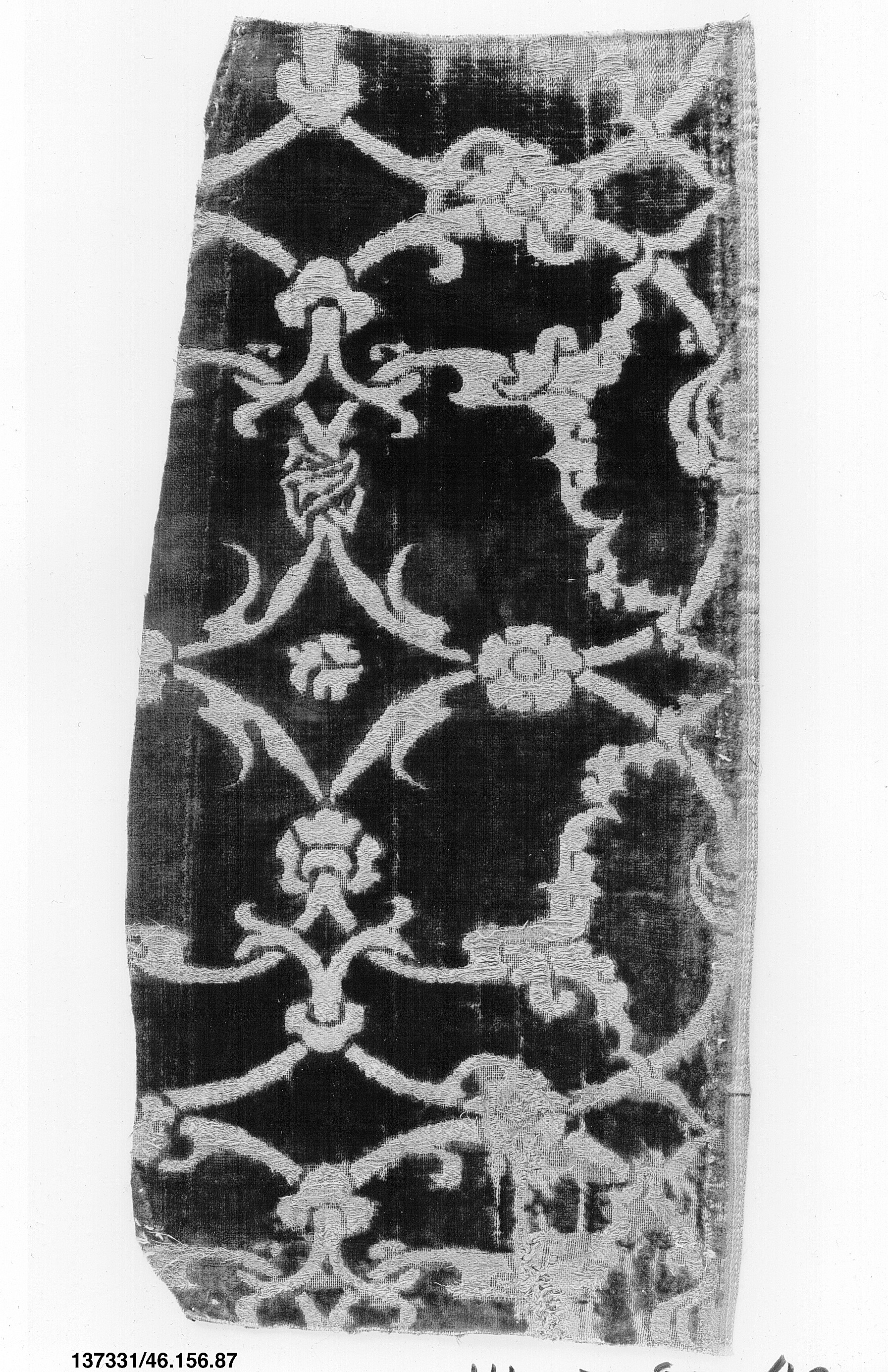
Deconstructing the Dialectic: A Standalone Study of Silk, Metal, and Memory
In the rarefied atmosphere of haute couture, where narrative and needlework are inseparable, a standalone piece exists not merely as an artifact but as a concentrated thesis. This analysis from Katherine Fashion Lab examines such a proposition: a garment born of Global Heritage, materialized in the potent duality of silk and metal thread. Isolated from seasonal collection narratives, this piece demands a forensic appreciation of its material dialectic—a dialogue between the organic and the industrial, the supple and the structural, the ephemeral and the eternal. We embark on a curatorial dissection to understand how these elements, rooted in disparate cultural traditions, converge to create a contemporary sartorial lexicon that speaks to memory, resilience, and identity.
The Material as Archive: Silk and Metal in Historical Context
To analyze this piece is first to acknowledge the profound historical weight each material carries. Silk is not a uniform textile; it is an archive of human ingenuity. Its journey from the cocoons of the Yangtze River valley to the looms of Byzantium, Lyon, and beyond maps millennia of trade, secrecy, and desire. It represents the pinnacle of organic luxury—fluid, breathable, and possessing a luminous depth that synthetic fibers cannot replicate. In this piece, the silk likely serves as more than a base; it is the pictorial field, the emotional substrate upon which a story is inscribed.
Conversely, metal thread—whether fine gilt membrane wrapped around a silk core or a slender, drawn wire—introduces a narrative of power and permanence. Its use spans from the ecclesiastical vestments of medieval Europe, signifying divine light and unyielding faith, to the intricate zari work of Indian brocades, communicating opulence and status. Metal is the element of the forge, of armor, of currency. Its incorporation into textile is an act of alchemy, transforming protective hardness into a medium of delicate adornment. Together, these materials form a binomial of vulnerability and strength, a tension that is central to the piece's conceptual resonance.
The Structural Dialectic: Form, Drape, and Light
The standalone nature of this study allows us to focus intently on the physical conversation between silk and metal. The design outcome is a direct result of their mechanical opposition. The silk, with its inherent drape and bias fall, seeks to follow the gravitational pull, creating soft, fluid forms that embrace the body's topography. The metal thread, through embroidery, couching, or integration into the weave, acts as a structural antagonist. It can delineate, constrain, and articulate the silk's movement.
We observe this in the piece's construction: areas where dense metallic embroidery creates a quasi-armored plate, holding the silk in a predetermined sculptural form, contrasting with sections where the silk is allowed to flow freely, perhaps with only a fleeting trail of metal thread to highlight its movement. This creates a dynamic wearability—the garment changes not only with motion but with light. The matte, light-absorbing quality of silk juxtaposed with the reflective, refractive nature of metal means the piece is perpetually in dialogue with its environment. In shadow, the silk may dominate, presenting a somber, textured richness. In illumination, the metal threads ignite, creating a cartography of light that diagrams the artisan's hand and the garment's underlying architecture.
Global Heritage as a Method, Not a Motif
Critically, the "Global Heritage" designation here must be interpreted as a sophisticated methodology, not a pastiche of cultural motifs. This piece does not merely "borrow" from traditions; it engages in a critical synthesis. The technique of couching metal thread may reference Chinese xiang yun sha (incense-burned silk) traditions, while the geometric precision of the metalwork might echo the architectural embroidery of North Africa or the metallic inlays of Ottoman art. The cut itself could be a deconstruction of a Korean hanbok sleeve or a Victorian bodice.
The genius lies in the integration, where these references lose their specific national identity and become part of a new, hybrid language. The heritage is in the knowledge of the hand: the understanding of how much tension the silk can bear before puckering under the weight of the metal, the choice of stitch to secure the thread without breaking its luster, the patience required to align each metallic element to achieve a specific play of light. This is heritage translated into material intelligence, creating a piece that feels both ancient and radically contemporary—a standalone artifact in a global museum of making.
Conclusion: The Autonomy of the Artifact
As a standalone study, this piece transcends the functional mandate of clothing. It is a speculative object that asks fundamental questions about the role of tradition in innovation, the nature of luxury in a digital age, and the body as a site for displaying complex material histories. The silk, with its deep roots in nature and nurture, carries the narrative of human cultivation. The metal thread, born of extraction and craft, speaks to transformation and endurance.
Their union on this singular canvas results in a garment that is both a document and a prophecy. It documents the enduring relevance of artisanal knowledge in a world of accelerating disposability. It prophesies a future for couture where value is measured not in logo recognition but in depth of concept and mastery of material dialectics. For Katherine Fashion Lab, this piece stands as a benchmark. It affirms that true luxury in the 21st century is the luxury of a coherent, deeply researched, and flawlessly executed idea—an idea woven, quite literally, from the very threads of human history and aspiration.