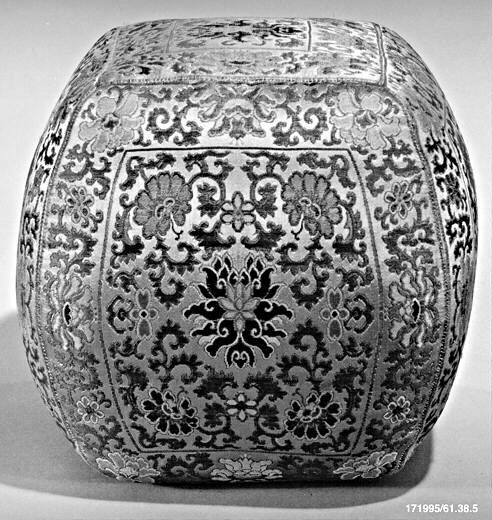
Executive Heritage Analysis: The Chinese Silk Cushion
This strategic research paper examines the Chinese silk cushion as a potent emblem of cultural authority, sensory refinement, and spiritual intentionality. Commissioned by Katherine Fashion Lab for standalone strategic deployment, the analysis decodes the object’s historical gravitas and translates its latent symbolism into a 2026 luxury market proposition. The cushion—far from a passive domestic accessory—emerges as a coded artifact of dynastic power, meditative practice, and aristocratic aestheticism, offering a rich repository for high-end brand storytelling.
Symbolic Power: The Throne of Invisible Authority
In Chinese material culture, the cushion (垫, *diàn*) has never been merely utilitarian. Its placement—upon chairs, beds, or ceremonial platforms—signified a spatial hierarchy that mirrored cosmic order. The imperial throne cushion, often crafted from imperial yellow silk and embroidered with five-clawed dragons, functioned as a micro-throne itself. It elevated the emperor not only physically but metaphysically, separating his corporeal presence from the mundane earth. This elevation was a visual declaration of the Mandate of Heaven, where the cushion became a portable locus of sovereign energy.
For Katherine Fashion Lab, the strategic translation is clear: the cushion is a seat of authority. In a 2026 luxury context, where clients seek quiet power rather than overt logos, the silk cushion can be positioned as an object that confers status upon its owner. The brand should emphasize the act of sitting as a ritual of self-coronation. By framing the cushion as the “throne of the modern connoisseur,” Katherine Fashion Lab taps into a deep psychological need for grounded confidence and unspoken dominance—values that resonate with high-net-worth individuals in Asia and the West alike.
Historical Adornment: Weaving Dynastic Narratives
The historical trajectory of the silk cushion mirrors the evolution of Chinese textile mastery. During the Tang Dynasty (618–907 CE), cushions were lavishly adorned with imported motifs—lotus scrolls, phoenixes, and cloud bands—reflecting Silk Road cosmopolitanism. By the Ming (1368–1644) and Qing (1644–1912) eras, the cushion had become a canvas for the kesi (silk tapestry) technique, where weavers spent months producing a single square of pictorial silk. These were not mass-produced goods; they were heirloom-grade commissions, often bearing the personal seal of the artisan and the auspicious symbols of longevity (shou), happiness (xi), and wealth (fu).
Adornment was thus a language of aspirational coding. A cushion embroidered with bats (bianfu) signified impending blessings; a peach motif promised immortality; a peony declared wealth and honor. The modern luxury strategy should resurrect this semiotic density. Katherine Fashion Lab can introduce a “Dynastic Code” collection, where each cushion is embroidered with a hidden auspicious symbol, documented in a certificate of provenance. This transforms the product from a home furnishing into a talismanic collectible, appealing to collectors who value narrative depth over generic minimalism.
Spiritual Meaning: The Cushion as Meditative Axis
Beyond imperial pomp, the cushion holds profound spiritual significance in Chinese contemplative traditions. The zafu-like meditation cushion (蒲团, *putuan*) used in Buddhist and Daoist practice is not a comfort device but a disciplinary instrument. It aligns the spine, anchors the pelvis, and creates a stable base for the flow of *qi* (vital energy). The circular form of the traditional *putuan* symbolizes the *taiji*—the primordial unity of yin and yang—while the silk covering represents the refinement of the material world in service of spiritual transcendence.
For 2026, this spiritual dimension offers a powerful counter-narrative to digital fragmentation. Katherine Fashion Lab can position its silk cushion as a portal to presence. Marketing narratives should emphasize the tactile feedback of silk against skin, the grounding weight of the cushion, and its role in creating a “sacred pause” in the modern home. The brand could collaborate with contemporary meditation guides to produce a limited-edition “Stillness Series,” where each cushion is accompanied by a recorded breathing ritual. This elevates the product beyond decoration into a wellness instrument, aligning with the luxury sector’s growing focus on holistic wellbeing and quiet luxury.
Materiality and Craft: Silk as Living Heritage
Silk—the medium of this analysis—is not merely a fabric but a biocultural artifact. Produced from the cocoons of *Bombyx mori*, silk has been woven in China for over 5,000 years, with sericulture historically guarded as a state secret. The material’s natural protein structure lends it a unique luster, thermal regulation, and hypoallergenic properties. In the context of the cushion, silk offers a sensory experience unattainable in synthetic alternatives: a cool touch in summer, a gentle warmth in winter, and a whisper of sound when the cushion is compressed.
Luxury strategy must honor this material legacy through radical transparency. Katherine Fashion Lab should source silk from certified heritage mulberry farms in Zhejiang or Jiangsu, documenting the entire journey from cocoon to cushion. The 2026 consumer—particularly the Gen-Z and elder millennial luxury buyer—demands provenance as a form of authenticity. By publishing an annual “Silk Traceability Report,” the brand can position itself as a guardian of intangible cultural heritage, justifying a premium price point while differentiating from mass-produced silk goods.
2026 High-End Luxury Strategy: From Object to Ecosystem
The strategic deployment of the Chinese silk cushion in 2026 requires an integrated, multi-layered approach that moves beyond product-centric marketing. The following framework is proposed:
1. The “Imperial Atelier” Limited Edition
Launch a capsule of 100 hand-embroidered cushions, each requiring 120 hours of artisan labor. Numbered and sealed, these are sold via private appointment only. The scarcity narrative is reinforced by a companion book detailing the weaver’s biography and the symbolic lexicon used. This creates a collector’s market and positions the cushion as an alternative asset class, akin to limited-edition watches or art prints.
2. Sensory Branding via Retail Architecture
Flagship stores will feature a “Cushion Chamber”—a dimly lit, silk-draped alcove where clients are invited to sit on a series of prototype cushions while listening to traditional guqin music. This experiential installation converts a passive purchase into an embodied memory, increasing dwell time and emotional attachment. The tactile memory of silk against the palm becomes the brand’s signature sensory cue.
3. Collaborative Cultural Diplomacy
Partner with the Palace Museum (Beijing) or the Shanghai Museum to co-curate an exhibition titled “Seats of Power: The Silk Cushion in Chinese History.” Katherine Fashion Lab will produce a museum-grade replica collection, with a portion of proceeds funding silk-weaving apprenticeships. This institutional endorsement elevates the brand from commercial entity to cultural steward, a critical trust signal in the 2026 luxury landscape.
4. Digital Phygital Integration
Each cushion will carry an embedded NFC chip, allowing owners to access a private digital archive—including high-resolution scans of historical cushions, audio narratives, and a virtual “weaving loom” visualization. This bridges the tangible and digital realms, appealing to tech-savvy collectors while preserving the object’s auratic presence.
Conclusion: The Cushion as a Strategic Pivot
The Chinese silk cushion is a microcosm of Chinese civilization—a synthesis of power, artistry, and spirituality. For Katherine Fashion Lab, it represents a strategic pivot from generic luxury goods to narrative-rich heritage artifacts. By decoding its symbolic power, honoring its historical adornment, and integrating its spiritual essence, the brand can create a 2026 offering that is both timeless and timely. The cushion is not a product; it is a proposition for how luxury should feel: grounded, meaningful, and exquisitely silent in its authority.