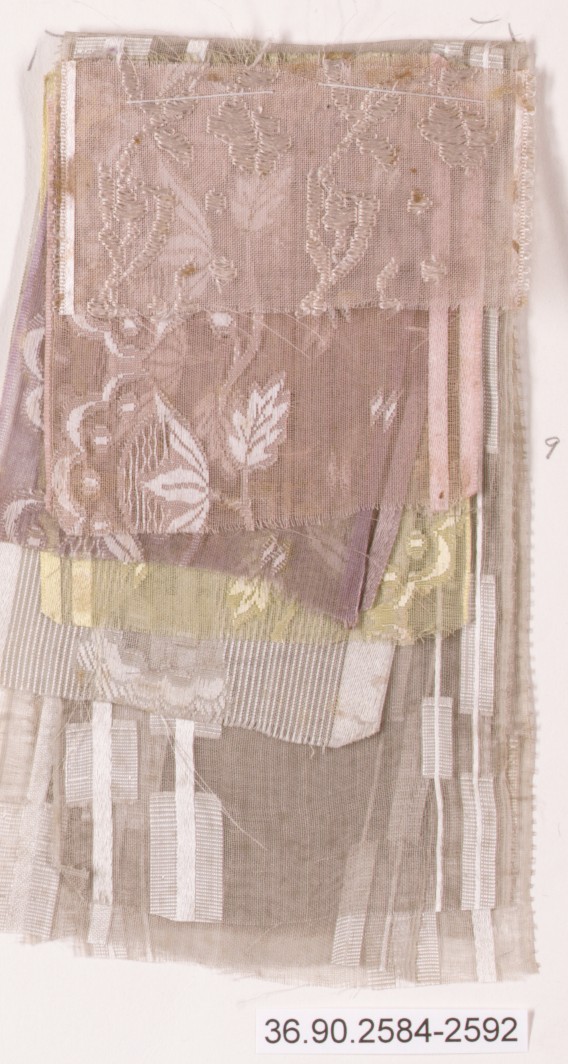
The Ribbon as Primordial Signifier: An Heritage Analysis for Strategic Luxury Application
Introduction: The Ribbon Beyond the Binding
The ribbon, in its most reductive form, is a strip of material designed for binding or adornment. Yet, within the context of ancient civilizations, this humble medium transcended its utilitarian function to become a potent carrier of symbolic power, social hierarchy, and spiritual communication. For Katherine Fashion Lab, a heritage analysis of the ribbon’s origins in precious materials reveals not merely a historical footnote, but a strategic blueprint for 2026 high-end luxury positioning. The ribbon was never just a fastener; it was a declaration of cosmic alignment, a physical manifestation of divine favor, and an early form of brand signaling. Understanding this depth allows a modern luxury house to move beyond decorative nostalgia and into the realm of authentic, resonant symbolism.
Historical Adornment: The Ribbon as a Marker of Sovereign and Sacred Status
In the ancient world, from the Nile Valley to the Mesopotamian plains, the ribbon—crafted from gold thread, woven silk, or beaten electrum—functioned as a primary indicator of rank. The archaeological record demonstrates that these were not casual accessories. In Pharaonic Egypt, ribbons of gold and lapis lazuli were used to bind ceremonial wigs and secure the uraeus (the sacred cobra) to the royal brow. This was not mere decoration; it was a structural component of the king’s divine identity. The act of tying was ritualistic, symbolizing the binding of chaos and the securing of cosmic order (Ma’at).
Similarly, in ancient Persia and the Greco-Roman world, the diadem—essentially a ribbon of precious fabric or metal—was the ultimate signifier of sovereignty. To "tie the diadem" was to assume power. The materiality was critical: a linen ribbon might be for daily wear, but a ribbon of woven gold or purple-dyed silk, often interwoven with gemstones, was reserved for coronation and sacrificial rites. For the heritage curator, the key insight is that the ribbon’s power was derived from its dual nature: it was simultaneously a functional constraint (binding) and an expressive release (adornment). In 2026, this duality offers a profound narrative for luxury—the idea that true luxury is not about freedom from structure, but about the exquisite, intentional binding of one’s identity to a higher standard.
Spiritual Meaning: The Ribbon as a Conduit of the Divine
Beyond terrestrial hierarchy, the ribbon served as a critical interface between the mortal and the divine. In Minoan Crete, priestesses wore ribbons of precious thread that were believed to channel the energy of the earth goddess. The knot, in particular, held immense spiritual weight. Across ancient cultures, the "Hercules knot" or the "Isis knot" (the tjet) was a protective amulet. When rendered in precious materials—gold, silver, or carnelian—the knot was not a representation of protection; it was protection itself. It was believed to ward off evil spirits, ensure fertility, and guarantee safe passage into the afterlife.
The spiritual function of the ribbon was also deeply tied to votive offerings. In ancient Greece, worshippers would tie ribbons of precious cloth to the branches of sacred trees or the statues of deities, a practice known as anaskeuasia. The material used—often silk or fine linen dyed with costly Tyrian purple—was a direct measure of the devotee’s piety and wealth. The act of tying was a prayer made physical. For Katherine Fashion Lab, this spiritual dimension is not about religious mimicry but about the ritual of intention. A 2026 luxury strategy can leverage this by positioning the ribbon as a talisman of personal intention—a physical object that binds the wearer to their own aspirational narrative. The material must be precious not just for its cost, but for its perceived ability to hold and transmit that intention.
Symbolic Power: The Semiotics of Binding and Releasing
From a semiotic perspective, the ribbon is a masterclass in paradox. It signifies both constraint and gift. When a ribbon is tied around a sacred scroll or a ceremonial box, it signifies the importance of the contents—the more precious the ribbon, the more sacred the object. This is the origin of the modern "ribbon-cutting" ceremony, a direct descendant of ancient rites of consecration. The ribbon’s symbolic power lies in its temporality—it is designed to be untied, cut, or released. This release is the moment of revelation, of transition.
In ancient burial practices, ribbons of precious metal were often placed over the eyes of the deceased, symbolically binding the soul’s vision to the divine realm while releasing it from the physical world. This act of binding-to-release is a powerful metaphor for the luxury consumer of 2026. The modern client is not seeking to be constrained by their attire; they are seeking a deliberate, conscious choice to engage with a piece that holds meaning. The ribbon, when executed in a precious medium, offers a tactile connection to this ancient philosophy. It is a signal to the self and to others that one is engaged in a meaningful ritual of self-presentation, not merely a functional act of dressing.
Strategic Application: The 2026 High-End Luxury Imperative
For Katherine Fashion Lab, the 2026 market demands more than aesthetic beauty; it demands narrative integrity and experiential depth. The heritage of the ribbon provides a unique platform for this. The strategic application must move beyond the literal use of ribbon as a trim or a tie. Instead, the brand should treat the ribbon as a master motif woven into the entire brand ecosystem. The following strategic pillars are recommended for the 2026 collection and brand narrative:
Pillar One: Material Alchemy as a Signature
The strategy must begin with the material. In ancient civilizations, the ribbon’s power was contingent on its preciousness. For 2026, Katherine Fashion Lab should introduce a proprietary ribbon material—perhaps a hybrid of recycled precious metals woven with ultra-fine silk or a bio-engineered filament that mimics the luster of ancient electrum. This is not about cost for cost’s sake. It is about creating a tactile signature. The ribbon must feel like an heirloom, not an accessory. This material should be used consistently across categories—on packaging, as a closure for garments, and as a standalone piece of jewelry. The goal is to make the ribbon instantly recognizable as a code of the house, much like a monogram, but with a deeper, more sensual resonance.
Pillar Two: Ritualized Unboxing and the "Binding Ceremony"
The ancient world understood that the moment of untying was sacred. Katherine Fashion Lab can translate this into a high-end retail experience. The 2026 packaging should be designed as a ritual object. The box should be secured with the proprietary precious ribbon, sealed with a wax or metallic emblem inspired by the Isis knot. The act of untying must be slow, deliberate, and satisfying. This transforms the acquisition of a product into a personal ceremony of release. In-store, the brand could offer a "Binding Ceremony" service, where a client’s purchase is ritually tied onto their wrist or garment by a trained artisan, signifying a personal commitment to the piece’s legacy. This creates an emotional bond that digital commerce cannot replicate.
Pillar Three: The "Knot" as a Symbol of Conscious Luxury
In 2026, the luxury consumer is increasingly concerned with provenance and intentionality. The ancient knot, as a symbol of binding and protection, offers a powerful narrative for sustainability and ethical practice. Katherine Fashion Lab should position its ribbon as a symbol of binding commitments—to artisan communities, to material traceability, and to timeless design over fast fashion. The marketing narrative should evoke the idea that each piece is not just made, but bound with intention. This aligns the brand with the ancient priestess who tied a precious ribbon as a votive offering—an act of devotion. The modern consumer is seeking to be devoted to something meaningful; the ribbon provides a tangible symbol of that devotion.
Conclusion: Weaving the Past into the Future
The ribbon, in its ancient context, was never a triviality. It was a precise, material language spoken by sovereigns, priestesses, and devotees. Its grammar was one of hierarchy, spirituality, and transition. For Katherine Fashion Lab, the strategic imperative for 2026 is not to resurrect the ribbon as a nostalgic nod to the past, but to re-engineer it as a contemporary artifact of meaning. By focusing on precious materiality, ritualized experience, and the profound symbolism of the binding knot, the brand can offer its clientele something rare in the modern luxury landscape: a physical object that carries the weight of ancient history and the clarity of modern intention. The ribbon is not the detail; it is the declaration. And in 2026, Katherine Fashion Lab is uniquely positioned to make that declaration resonate with the power of the ancients and the precision of a modern master.