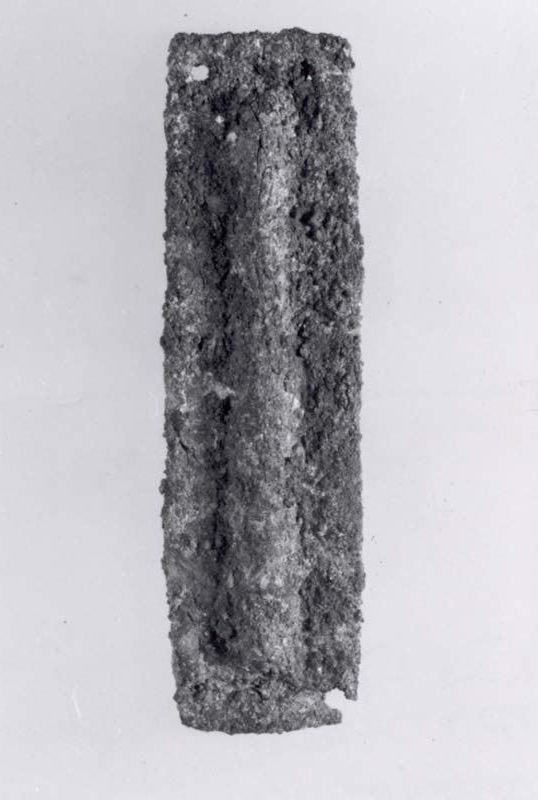
Heritage Analysis: The Assyrian Iron Armor Plate
In the pursuit of luxury that transcends mere aesthetics, Katherine Fashion Lab turns its curatorial gaze toward the ancient Assyrian Empire, specifically the singular artifact of the iron armor plate. This object, forged not for ornament but for survival, carries within its metallic strata a profound narrative of imperial might, spiritual fortification, and the genesis of structured power dressing. As we prepare for the 2026 haute couture landscape, this analysis decodes the armor plate’s symbolic resonance, moving beyond its martial function to reveal a blueprint for modern luxury that is both formidable and transcendent.
Forged in Dominance: The Symbolic Power of Imperial Iron
To the Assyrian warrior, the iron armor plate was more than physical protection; it was a declaration of ontological superiority. In the 9th to 7th centuries BCE, the Neo-Assyrian army was the most technologically advanced fighting force in the ancient Near East. The transition from bronze to iron was not merely metallurgical—it was a strategic and psychological weapon. Iron, harder and more abundant, symbolized the unyielding will of the Assyrian king, Ashur. Each plate, meticulously hammered and laced to a leather backing, represented a microcosm of the empire’s bureaucratic efficiency and its capacity for organized violence.
For Katherine Fashion Lab, this historical context offers a powerful lexicon for 2026 luxury strategy. The modern luxury consumer, particularly the high-net-worth individual, seeks armor for a different battlefield: the boardroom, the social sphere, and the digital agora. The symbolic power of the Assyrian plate translates into design language that conveys authority without aggression. It is the structural shoulder, the disciplined silhouette, and the use of dense, dark materials that evoke a sense of unassailable presence. We are not designing for war, but for dominance in presence—a garment that communicates that its wearer is the architect of their own destiny, protected by an invisible shield of heritage and resolve.
The Aesthetics of Protection: Historical Adornment and Craft
Contrary to the perception of ancient armor as crude or purely utilitarian, Assyrian scale armor was a masterpiece of adornment. The plates were often arranged in overlapping patterns that created a mesmerizing visual rhythm, catching light and shadow with every movement of the chariot or phalanx. The edges were frequently finished with bronze or copper trim, not solely for structural integrity but for decorative contrast against the dark iron. This attention to aesthetic detail in a tool of war reveals a crucial cultural tenet: power must be visibly beautiful to be legitimate.
This principle directly informs our historical adornment approach at Katherine Fashion Lab. In 2026, we will revive the technique of structured layering. The armor plate inspires a new generation of outerwear and corsetry where seams mimic the articulation of ancient scales. We will employ high-density metallic threads, lacquered leathers, and hand-set micro-plates of oxidized silver and gunmetal to create a surface that is both tactile and visually complex. The adornment is not superficial; it is integral to the garment’s structure. This echoes the Assyrian ethos where the beauty of the armor was a direct reflection of the king’s glory. Our garments will serve as portable monuments, where every rivet and seam is a testament to the artisan’s hand, transforming the wearer into a living artifact of refined strength.
Spiritual Fortification: The Divine Mandate of the Warrior
The spiritual meaning embedded in the Assyrian armor plate cannot be overstated. The Assyrian pantheon, led by Ashur, was deeply militaristic. The king was not merely a political leader but the high priest and earthly representative of the god. Consequently, the armor worn in battle was consecrated, believed to carry the protective blessing of the deity. Inscriptions and incantations were often etched into the interior of helmets and breastplates, invisible to the enemy but a constant prayer for the wearer. The iron itself was not just metal; it was a conduit for divine favor, a physical barrier against malevolent spiritual forces as much as physical weapons.
For the modern luxury narrative, this spiritual dimension offers a profound departure from secular materialism. Katherine Fashion Lab’s 2026 collection will explore the concept of the talismanic garment. We recognize that today’s discerning clientele are not merely purchasing status; they are seeking energetic protection in a volatile world. The armor plate inspires us to embed hidden symbols—perhaps a subtle cuneiform-inspired embroidery on the inside hem, or a secret pocket lined with a specific hue associated with clarity and courage. These are not visible to the casual observer, creating an intimate dialogue between the garment and its owner. This strategy positions the garment as a ritualistic shield, offering a sense of grounding and invincibility that appeals to the spiritual consumer who views their wardrobe as an extension of their personal aura and resilience.
Strategic Synthesis: The 2026 Luxury Manifesto
Synthesizing these historical, aesthetic, and spiritual threads, Katherine Fashion Lab proposes a 2026 high-end luxury strategy centered on the “New Assyrian” ethos. This is not a literal historical reproduction but a conceptual re-interpretation for the contemporary elite. The strategy rests on three pillars:
1. The Architecture of Authority
Our tailoring will adopt the geometric precision of Assyrian lamellar construction. Jackets will feature articulated panels at the shoulders and ribcage, allowing for movement while maintaining a formidable silhouette. We will utilize high-performance technical fabrics with a matte, metallic finish that mimics the patina of ancient iron, offering a modern, stealthy alternative to traditional metal. The goal is to create a wardrobe that provides psychological armor, enabling the wearer to command any room with the quiet confidence of an ancient king surveying his domain.
2. The Value of Weight and Substance
In an era of fast fashion and digital disposability, the Assyrian armor plate reminds us of the luxury of heft and permanence. Our 2026 pieces will be deliberately substantial. We will source the heaviest, most durable silks, wools, and leathers available. The weight of a garment will be a signature of its quality, evoking the reassuring, grounding sensation of the warrior’s cuirass. This strategy appeals to the collector who values longevity over trend, positioning Katherine Fashion Lab pieces as heirloom investments, passed down like ancestral weapons.
3. Bespoke Ritual and Personal Legend
Finally, we will offer a bespoke “Ritual of the Plate” service. Clients will be invited to participate in the design of their signature piece, selecting from a palette of dark, rich finishes and choosing a personal “cuneiform” inscription to be discreetly embedded within the garment. This process transforms a purchase into a ceremony, aligning the client with the Assyrian tradition of consecrating one’s armor for a specific purpose. This high-touch, narrative-driven experience justifies a premium price point and creates an unbreakable emotional bond between the client and the brand.
In conclusion, the Assyrian iron armor plate is not a relic of a violent past, but a timeless archetype of fortified elegance. By studying its materiality, its cultural weight, and its spiritual purpose, Katherine Fashion Lab will lead the 2026 luxury market with a collection that offers not just clothing, but a legacy of protection and power, crafted for the modern sovereign.