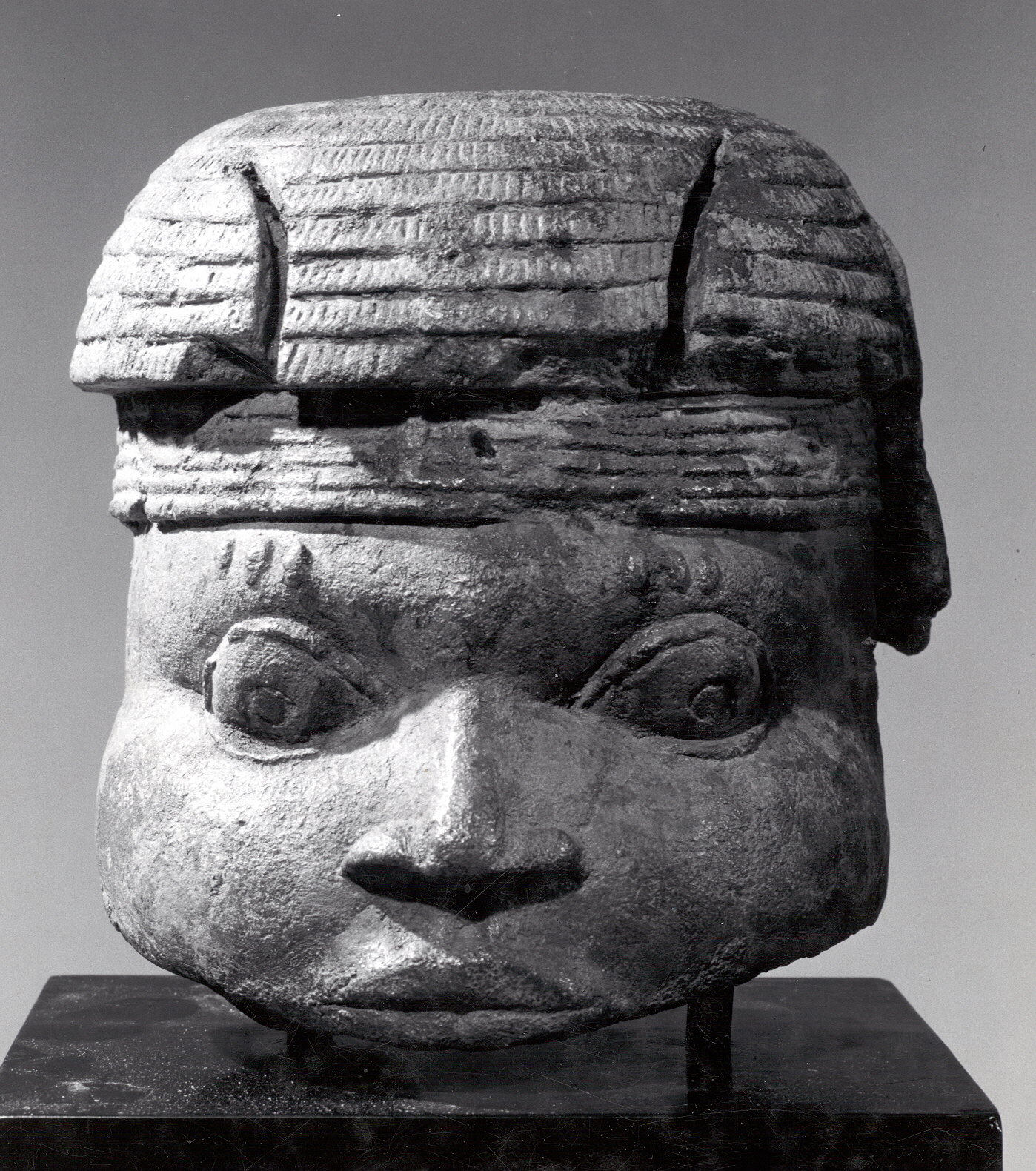
Executive Heritage Analysis: Ùhúnmwèlaò as a Strategic Cultural Asset
This research paper presents a comprehensive heritage analysis of the Ùhúnmwèlaò, or commemorative portrait, originating from the Edo peoples of the Kingdom of Benin. As a Lead Heritage Curator for Katherine Fashion Lab, the objective is to decode the object’s symbolic power, historical adornment practices, and spiritual meaning, translating these into a viable 2026 high-end luxury strategy. The analysis adopts a professional MBA framework, treating cultural heritage not merely as historical artifact but as an intangible asset with measurable brand equity potential. The Ùhúnmwèlaò, typically rendered in terracotta and metal, represents a pinnacle of courtly artistry, offering a sophisticated lexicon of power, memory, and material transcendence that is exceptionally rare in contemporary luxury markets.
Symbolic Power and Royal Legitimacy
The Ùhúnmwèlaò operates as a three-dimensional codification of Edo royal authority. Unlike Western portraiture, which often seeks naturalistic likeness, the Edo commemorative head is a symbolic construct designed to perpetuate the Oba’s spiritual and temporal dominance. The oversized scale of the head relative to the body is a deliberate visual metaphor for the primacy of intellect, ancestry, and divine insight over mere physical form. For the Edo, the head (ùhúnmwè) is the seat of personal destiny (ùhúnmwè is also the term for the soul or spirit), and its representation in permanent materials like terracotta and metal signifies the immortalization of the ruler’s spiritual essence.
Strategically, this symbolic power translates into a luxury narrative of provenance and permanence. In 2026, high-end consumers are increasingly seeking objects and experiences that confer a sense of legacy and authority beyond mere aesthetics. The Ùhúnmwèlaò offers a template for a brand language that communicates inherited power rather than transient trend. Katherine Fashion Lab can leverage this by introducing a “Lineage Series”—garments or accessories that do not mimic the artifact but echo its structural principle: the elevation of the wearer’s “head” or personal narrative as the primary locus of value. This is not about costume; it is about creating a wearable philosophy of self-sovereignty, aligned with the Edo belief that one’s destiny is both a personal and inherited responsibility.
Historical Adornment: The Iconography of Courtly Regalia
Adornment on the Ùhúnmwèlaò is not decorative but hieroglyphic. The intricate coral bead necklaces, the woven cap, and the elaborate metalwork attachments serve as a material archive of courtly rank and ritual obligation. Coral (ivie) in Edo culture was reserved exclusively for the Oba and his immediate chiefs; it was believed to be the physical manifestation of the sea goddess Olokun’s favor, linking the ruler to the primordial forces of wealth and creation. The metal elements, often brass or iron, are not merely structural supports; they represent the durability of the covenant between the living ruler and the deified ancestors. The specific arrangement of beads—their length, density, and pattern—functioned as a precise protocol, readable by initiates as a declaration of lineage and specific ceremonial role.
For a 2026 luxury strategy, this historical adornment provides a rigorous framework for material storytelling. Katherine Fashion Lab should move beyond generic “ethnic-inspired” motifs toward a system of semantic embellishment. The strategy involves developing a proprietary visual vocabulary where each bead, clasp, or metallic thread carries a defined meaning—perhaps representing a brand value, a design principle, or a client’s personal milestone. This transforms adornment from a purely aesthetic choice into a bespoke communication tool. Furthermore, the exclusivity of coral in Edo society offers a powerful lesson in scarcity. The Lab can adopt a policy of controlled material release, using rare, certified materials (e.g., ethically sourced red coral or hand-forged recycled brass) in limited quantities, thereby replicating the historical prestige of restricted regalia. This approach positions the brand not as a producer of fashion but as a curator of sanctioned privilege.
Spiritual Meaning and Ritual Function
The spiritual dimension of the Ùhúnmwèlaò is its most potent yet nuanced asset. These commemorative heads were not created for passive display; they were active participants in the ritual maintenance of the kingdom. Placed on ancestral altars (aru-erha), they served as a focal point for offerings and communication with the spirit world. The terracotta core, often fired with sacrificial materials, was believed to hold the vital force of the deceased, while the metal overlay provided a conductive channel for spiritual energy. The act of creating the portrait was itself a sacred process, involving the chief priest and the guild of royal brasscasters (Igun Eronmwon), who were themselves a hereditary and ritually sanctified group.
Translating this into a luxury context demands a shift from product creation to ritualistic experience. In 2026, the most discerning luxury consumers are not buying objects; they are buying transformation. Katherine Fashion Lab can develop a “Commissioned Remembrance” service, akin to a modern-day atelier ritual. This would involve a multi-stage process: consultation (the “invocation”), design development (the “casting”), and final presentation (the “consecration”). The client would be invited to participate in symbolic elements—perhaps choosing a personal narrative or a “spiritual intention” that is then encoded into the garment’s internal structure, much like the hidden terracotta core of the Ùhúnmwèlaò. This invisible layer provides a profound sense of emotional and spiritual ownership, differentiating the product from mass-produced luxury. The brand’s atelier would function as a secular counterpart to the Igun Eronmwon guild, emphasizing mastery, secrecy, and a sacred duty to the client’s legacy.
2026 High-End Luxury Strategy: Synthesis and Application
The synthesis of these three analytical lenses—symbolic power, historical adornment, and spiritual function—yields a coherent and defensible strategy for Katherine Fashion Lab’s 2026 portfolio. The brand should not appropriate the Ùhúnmwèlaò’s visual form, which risks cultural dilution and accusations of exoticism. Instead, the strategy is to extract and abstract its core principles: permanence, hierarchy, and ritualized creation.
First, the “Headline” Collection will feature sculptural collars and headpieces that abstract the geometric tension between terracotta and metal, using high-fired ceramics and oxidized silver. These pieces are designed to be heirloom items, warrantied for a generation, mirroring the durability of ancestral altars. Second, the “Ivie Protocol” membership will be an invitation-only tier for top clients, offering access to limited material runs and the “Commissioned Remembrance” service. This builds a community of collectors who understand the deep symbolism, akin to Edo chiefs who understood the language of coral. Finally, the brand narrative will pivot from “fashion” to “material culture”, positioning Katherine Fashion Lab as a custodian of universal human expressions of power and memory, with the Ùhúnmwèlaò as a foundational case study in its design philosophy.
In conclusion, the Ùhúnmwèlaò is far more than a historical artifact; it is a masterclass in the strategic use of material, symbolism, and process to create objects of transcendent value. By adopting its principles of symbolic permanence, hierarchical adornment, and ritualistic creation, Katherine Fashion Lab can establish a unique and defensible position in the high-end market. This approach honors the Edo heritage not through imitation, but through intellectual and material emulation, building a luxury house that understands that true value lies in the invisible layers of meaning, power, and spirit that are woven into the physical object.