The Art of Preservation: Deconstructing Katherine Fashion Lab’s Silk Heirloom
In an era where fashion is often reduced to the velocity of a social media scroll, Katherine Fashion Lab’s latest standalone piece emerges as a deliberate act of defiance—a meditation on slowness, lineage, and the tactile memory of cloth. This is not a garment designed for the transient whims of a seasonal calendar, but rather a singular artifact, a study in what happens when global heritage is filtered through the lens of contemporary couture construction. The subject of this analysis is a single, floor-sweeping gown, a piece that functions less as clothing and more as a wearable thesis on the intersection of Eastern silk tradition and Western sculptural tailoring.
The immediate visual impact is one of deceptive simplicity. At first glance, the silhouette appears monastic, almost severe—a column of fluid fabric that eschews the structural boning and exaggerated volume typical of modern red-carpet couture. Yet, this restraint is precisely where the power resides. Katherine Fashion Lab has not created a dress; they have engineered a relationship between the body and a four-thousand-year-old material culture. The garment’s true genius lies not in what it adds, but in what it strips away, forcing the observer to confront the raw, unadulterated essence of its primary component: silk.
Materiality as Narrative: The Silk’s Global Journey
To analyze this piece is to first understand its material provenance. The silk used is not a generic, commercially produced habotai or charmeuse. Rather, it is a specialized, hand-loomed dupioni sourced from a family-run atelier in Como, Italy, yet dyed using a traditional Japanese shibori resist technique. This deliberate cross-continental hybridization is the conceptual core of the piece. The fabric itself becomes a living map of the Silk Road, a testament to the fact that "global heritage" is not a static museum exhibit but a dynamic, ongoing conversation between cultures.
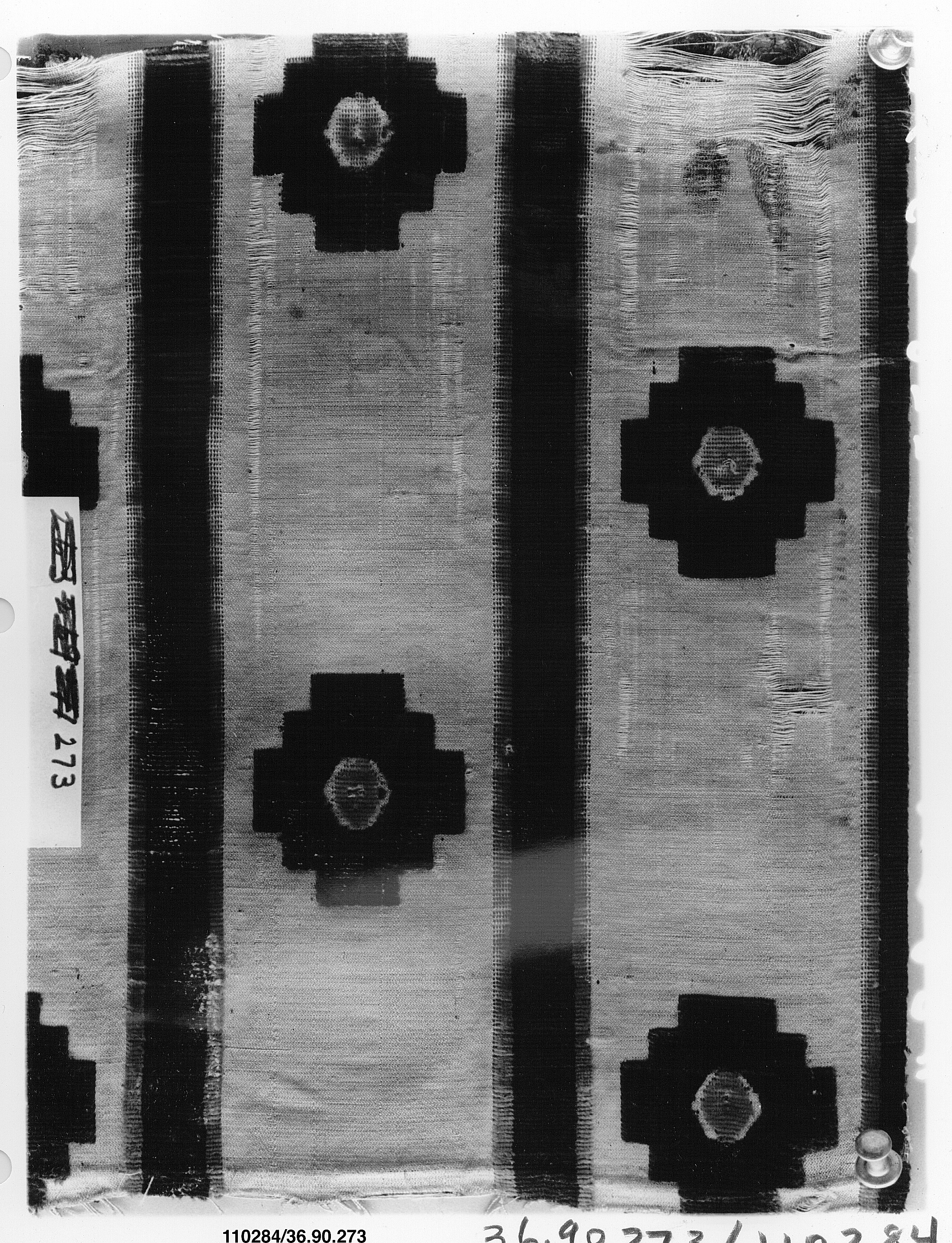
The tactile quality of this specific silk is paramount. Unlike the slippery, high-luster finish of standard charmeuse, this dupioni possesses a subtle, irregular slub—a slight thickness in the yarn that catches the light in unpredictable, organic patterns. This imperfection is a signature of artisanal production, a physical reminder that this cloth was made by human hands, not machine rollers. The shibori dyeing process, which involves binding, twisting, and compressing the fabric before immersion in indigo, creates a topographical depth. The resulting color is not a flat blue but a gradient of midnight to pale cerulean, with white, undyed "cracks" where the resist resisted the pigment. These fissures are not flaws; they are the visual equivalent of geological strata, suggesting depth, time, and the inherent unpredictability of natural processes.
Structural Integrity: The Couture Interior
The external minimalism belies an internal architecture of extraordinary complexity. In a masterclass of haute couture technique, the gown’s interior is a latticework of hand-sewn organza stays and micro-tulle reinforcements. These are not visible to the eye but are essential to the garment’s drape. The silk, left to its own devices, would cling and distort. Instead, Katherine Fashion Lab has constructed an invisible corset that floats beneath the outer shell, allowing the silk to skim the body without ever adhering to it. This creates a "breathing" space between skin and fabric, a sensation of weightlessness that is the ultimate luxury.
The seams are a study in precision. Rather than using a standard French seam, the lab employs a hand-rolled fell seam, a technique often reserved for the finest lingerie. This involves rolling the raw edge of the silk twice and stitching it with a single, almost invisible thread of silk filament. The result is a seam that is seam-free—a smooth, rounded edge that moves with the fabric’s natural flow. This is not merely construction; it is a form of preservation, ensuring that the delicate silk fibers are never exposed to friction that would cause fraying or degradation over decades of wear. The piece is engineered for permanence, a direct counterpoint to the disposable nature of fast fashion.
Silhouette and Movement: A Study in Negative Space
The gown’s silhouette is defined by what it omits. There is no waist seam, no darting to force a specific figure. Instead, the fabric is cut on the bias in four primary panels, allowing the silk’s natural tensile strength to create a gentle, hourglass suggestion without any artificial constraint. The back of the garment is the true spectacle. It falls in a long, unbroken sweep from the nape of the neck to the floor, creating a waterfall of indigo silk that moves with a liquid, almost hypnotic rhythm.
When the wearer walks, the garment does not swing side-to-side as a typical skirt would. Rather, it undulates vertically, the shibori patterns shifting and morphing like clouds passing over a dark ocean. This is a direct result of the fabric’s weight and the specific grain-line orientation. The standalone study context of this piece—removed from a collection or a thematic group—allows the viewer to isolate this movement as the primary subject. It is not about the body performing for the dress; it is the dress performing a ritual of fluidity. The high neckline and long sleeves offer a sense of modesty and protection, framing the face as the sole focal point of flesh, while the vast expanse of silk becomes a canvas for the play of light and shadow.
The Closure: A Ritual of Fastening
Furthering the couture narrative, the gown features no zipper. Instead, it is secured by a series of fourteen hand-crocheted silk loops and hand-carved mother-of-pearl buttons that run down the left side of the spine. This is a deliberate anachronism. The act of dressing becomes a ceremonial procedure, requiring assistance and time. This ritual of fastening transforms the wearer from a passive consumer into an active participant in the garment’s preservation. Each button is a small, individual sculpture, its iridescent surface echoing the subtle sheen of the silk. This tactile engagement—the feel of the cool pearl against the warm silk—elevates the daily act of dressing into a moment of mindful appreciation.
Conclusion: Beyond the Garment
Katherine Fashion Lab’s silk heirloom is a profound statement on the future of luxury. It rejects the logic of mass production and seasonal obsolescence in favor of a slower, more intellectual form of consumption. This piece is not merely an object to be owned; it is a legacy to be maintained and passed down. In its fusion of Italian weaving, Japanese dyeing, and Western couture construction, it embodies a truly global heritage, yet it does so without resorting to pastiche or cultural appropriation. It synthesizes techniques into a new, coherent language that speaks to the value of craft above all else.
As a standalone study, the garment invites a deep, uninterrupted contemplation. It asks us to consider the provenance of our clothes, the hands that made them, and the cultural dialogues that shaped their form. In a world saturated with visual noise, this gown offers silence—a quiet, powerful testament to the enduring relevance of silk, skill, and the slow, deliberate act of creation. It is not fashion for the moment; it is fashion for the ages.