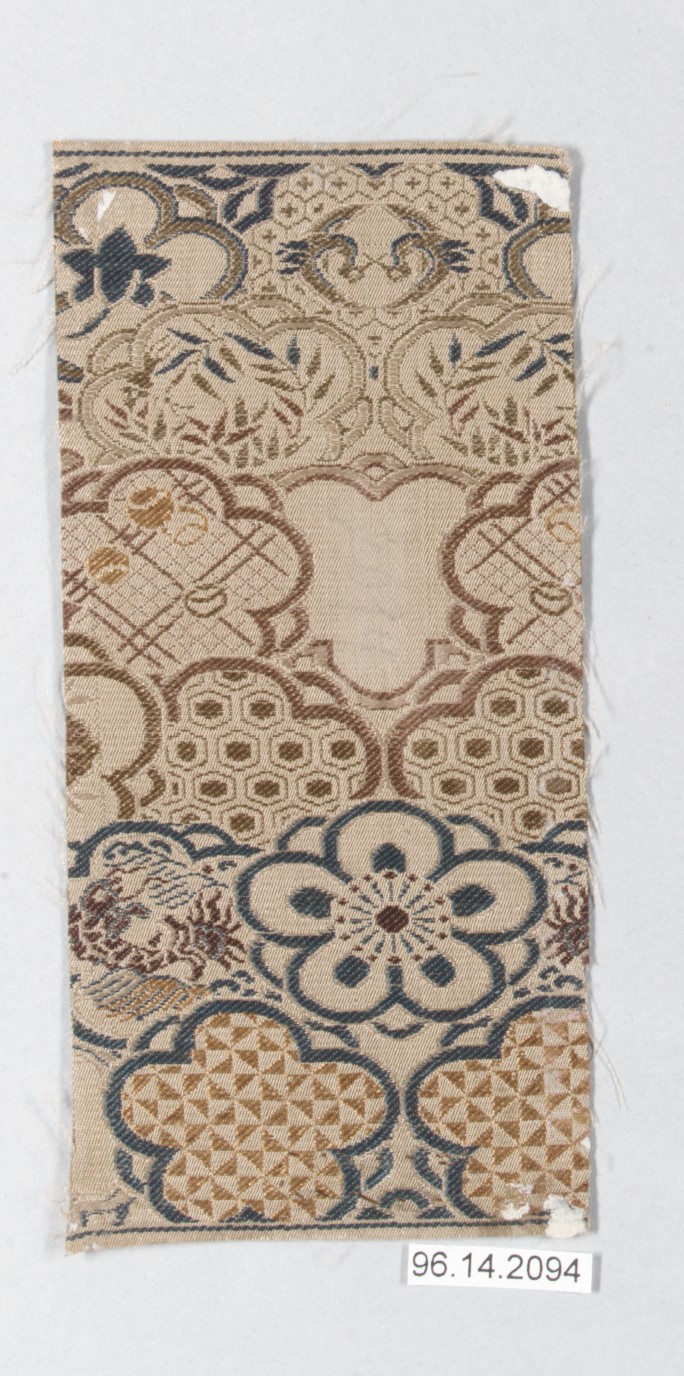
Heritage Analysis: The Japanese Silk Kimono as a Strategic Luxury Asset
Introduction: Positioning Silk as a Civilizational Technology
Within the portfolio of global luxury heritage, few artifacts carry the density of meaning, material sophistication, and institutional continuity of the Japanese silk kimono. For Katherine Fashion Lab, the kimono is not merely a garment category but a civilizational technology — a system of weaving, dyeing, and wearing that encodes centuries of Japanese aesthetic philosophy, social hierarchy, and spiritual cosmology. This analysis examines the kimono through four strategic lenses: symbolic power, historical adornment, spiritual meaning, and its repositioning within the 2026 high-end luxury landscape. The objective is to establish a defensible heritage narrative that can anchor premium positioning, justify artisanal price architecture, and differentiate the Lab within an increasingly commoditized global silk market.
Symbolic Power: The Kimono as a Grammar of Meaning
The kimono's symbolic power derives from its function as a non-verbal language. Unlike Western dress, which historically prioritized silhouette and individual expression, the kimono operates as a codified system in which motif, color, and construction communicate rank, season, marital status, and occasion. The mon (family crest) functions as a heraldic identifier, while the kasane no irome — the layered color combinations of the Heian court — represents one of the world's earliest documented color-coordination systems, governed by poetic and seasonal logic rather than mere aesthetics.
For luxury strategy, this symbolic density is a strategic asset. It permits the Lab to build collections around narrative scarcity — each piece carrying a legible story of provenance, motif symbolism, and artisanal lineage. In a market where consumers increasingly seek meaning over logo, the kimono's semiotic infrastructure offers a ready-made framework for storytelling that competitors in the Western silk tradition cannot easily replicate.
Historical Adornment: From Court Ritual to Merchant Patronage
The kimono's evolution tracks the shifting centers of Japanese power. During the Heian period (794–1185), layered silk robes known as jūnihitoe served as instruments of courtly distinction, their weight and complexity restricting movement and thereby signaling elite status. The Muromachi and Edo periods (1336–1868) witnessed the codification of the kosode, the direct ancestor of the modern kimono, alongside the rise of the chōnin merchant class, whose wealth found expression in increasingly elaborate yuzen dyeing and nishijin weaving.
This history matters strategically because it demonstrates that the kimono has always absorbed and reflected economic power. The Edo-period merchant who commissioned a Kyoto yuzen artisan was, in effect, an early luxury consumer — patronizing craft as a means of cultural legitimation. For 2026 positioning, the Lab can draw a direct lineage from this patronage model to contemporary quiet luxury, where connoisseurship substitutes for conspicuous branding.
Spiritual Meaning: Shinto Purity, Buddhist Impermanence, and the Sacred Thread
The spiritual dimension of Japanese silk is inseparable from its materiality. In Shinto practice, silk garments — particularly those woven for shinsen (sacred offerings) — are understood to mediate between the human and the divine. The harae purification rituals and the use of white silk in shrine contexts position the fabric as a conductor of kegare (spiritual pollution) and kegare no harai (its removal).
Buddhist influence introduces a complementary register: the doctrine of impermanence (mujō) is reflected in the aesthetic of wabi-sabi, which valorizes the worn, the repaired, and the aged. The boro textiles of northern Japan — patched, indigo-dyed hemp and silk — embody this sensibility and have, in recent decades, been recuperated by global luxury as a paradigm of sustainable beauty.
For Katherine Fashion Lab, this spiritual framework offers a differentiated sustainability narrative. Rather than importing Western ESG language, the Lab can articulate circularity and repair through indigenous Japanese concepts — a strategy that is both culturally authentic and commercially resonant with the 2026 luxury consumer's demand for meaning-driven sustainability.
2026 Luxury Strategy: Repositioning Silk Heritage for the Global Elite
Three strategic imperatives emerge for the Lab's 2026 positioning.
First, vertical integration of craft provenance. The kimono's value chain — sericulture, yūzen dyeing, nishijin weaving, kumihimo braiding — constitutes a fragmented ecosystem of diminishing master artisans. The Lab should pursue heritage acquisition and artisan partnership models that secure supply while generating proprietary provenance data, a form of intellectual property increasingly valuable in luxury authentication and resale markets.
Second, the "wearable archive" product architecture. The 2026 luxury consumer, particularly in the Asia-Pacific and Gulf regions, is gravitating toward pieces that function as collectible cultural assets. The Lab can position limited kimono-derived silhouettes — reimagined for global wearability while preserving construction integrity — as wearable archives, each accompanied by documentation of motif symbolism, artisan lineage, and material origin.
Third, cultural custodianship as brand equity. The kimono's symbolic power is not a static inheritance but a living system. The Lab should invest in cultural stewardship programs — apprenticeships, archival digitization, and academic partnerships — that position the brand as a custodian rather than a mere extractor of heritage. In an era of increasing scrutiny over cultural appropriation, custodianship is not altruism; it is risk mitigation and differentiation.
Conclusion: The Strategic Case for Silk Heritage
The Japanese silk kimono offers Katherine Fashion Lab a rare convergence of symbolic depth, historical legitimacy, spiritual resonance, and strategic flexibility. Its symbolic grammar enables narrative scarcity; its historical patronage model prefigures contemporary connoisseurship; its spiritual framework provides an authentic sustainability lexicon; and its artisanal ecosystem offers defensible supply-chain differentiation. For 2026, the strategic imperative is clear: the Lab must not merely sell silk garments but steward a civilizational technology — positioning itself as the institutional heir to a tradition in which meaning, material, and mastery are inseparable. In doing so, it converts heritage from a cost center into a durable competitive moat.