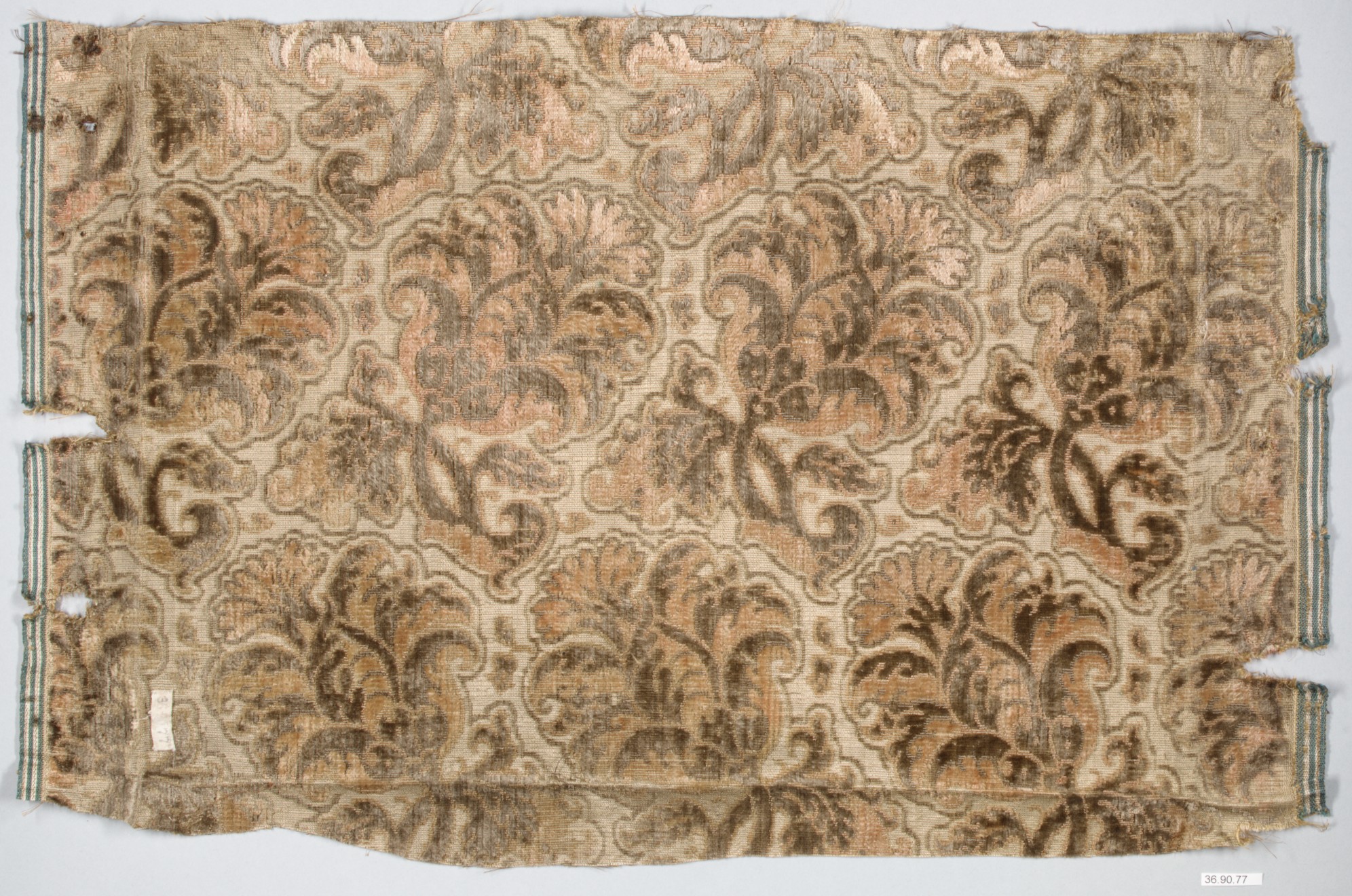
Deconstructing the Dialectic: A Standalone Study of Silk, Metal, and Memory
In the rarefied atmosphere of haute couture, where narrative and needlework are inextricably fused, a standalone piece exists not merely as an artifact but as a concentrated thesis. This analysis from Katherine Fashion Lab examines such a proposition: a garment born of Global Heritage, materialized in silk and metal thread. Absent a seasonal collection's contextual chorus, this piece operates as a singular, profound statement on cultural synthesis, material dialectics, and the very ontology of luxury. It is not a dress with a provenance but a provenance in the form of a dress, demanding an excavation of its layered semiotics and technical virtuosity.
The Material Dialectic: Silk as Substrate, Metal as Interlocutor
The foundational dialogue is established in the material selection. Silk, a substrate with a 5,000-year narrative, carries the genetic memory of the Han Dynasty, the Silk Road’s dusty caravans, and the opulent courts of Europe. It is organic, fluid, and absorptive—a literal and metaphorical canvas for history. Its introduction to metal thread, however, instigates a compelling tension. Metal thread—whether gilt membrane wrapped around silk core or fine drawn wire—is inorganic, luminous, and declarative. It does not absorb light but commands it, creating a visual vocabulary of emphasis and resistance.
This partnership transcends mere embellishment. In this piece, the metal thread is not an afterthought but a co-author of the structure. It is deployed in a manner that suggests cartography or circuitry, tracing pathways that may reference trade routes, ancestral lineages, or the migration of motifs. The silk provides the soft, human ground; the metal provides the hard, technological line. Their interaction creates a textural chiaroscuro, where the matte, yielding surface of the silk is activated and given architectural intent by the precise, unyielding metallic tracery. This is a material representation of tradition in conversation with permanence, of the ephemeral body interfacing with the enduring artifact.
Global Heritage as a Palimpsest, Not a Patchwork
The designation Global Heritage is perilous if misapplied, risking a superficial pastiche of "ethnic" motifs. Here, however, the heritage is treated as a palimpsest—a layered, complex text where influences are integrated into the very weave of the piece’s logic. One might discern the sinuous flow of a Japanese kosode silhouette, but rendered in a cut that echoes the precise drapé of a Parisian atelier. Embroidery knots native to South Asia could coalesce into patterns reminiscent of Celtic interlacing or Art Nouveau whiplash lines. The genius lies in the synthesis; these references are not quoted but reconstituted through a contemporary lens.
The construction methodology itself becomes a carrier of heritage. The hand-work—the millions of stitches, the couching of metal threads, the meticulous attachment of paillettes or canutillos—is a global language of patience and skill. It connects the anonymous artisans of historical imperial workshops to the petites mains of today’s couture houses. This piece, therefore, acts as a node in a transhistorical network of craftsmanship, asserting that true luxury is the materialization of time and specialized human knowledge.
The Standalone Context: Autonomy and Iconic Potential
Removed from a collection’s thematic arc, this piece achieves a potent autonomy. It is not explaining itself relative to other looks. This isolation forces a deeper engagement, allowing it to function as a speculative object—a proposition about fashion’s future by rigorously engaging with its collective past. It asks: Can a garment be a self-contained universe of meaning? The answer it provides is affirmative, built upon the integrity of its material choices and the depth of its cultural research.
This autonomy elevates it to the realm of the iconic or the archetypal. It does not follow a trend; it proposes a timeless principle of hybridity. In a world of fast-fashion cultural appropriation, this piece stands as a corrective model of deep, respectful synthesis. It demonstrates that heritage can be a dynamic, living library from which to draw profound inspiration, rather than a static repository of exotic clichés to be plundered. The standalone context amplifies its voice from a single note in a symphony to a complete, resonant chord.
Conclusion: The Garment as a Critical Object
Ultimately, this analysis from Katherine Fashion Lab posits that this silk and metal thread piece is more than couture; it is a critical object. It performs a critique of lazy cultural referencing through its meticulous synthesis. It critiques disposable fashion through its celebration of imperishable materials and labor-intensive techniques. And it critiques narrow nationalism through its embodied philosophy of a connected, global aesthetic lineage.
The silk holds the stories; the metal thread inscribes them with permanence. Together, they form a wearable manifesto asserting that the future of meaningful luxury lies not in forgetting the past, nor in nostalgically replicating it, but in weaving its most resilient threads into new, coherent, and breathtakingly relevant forms. This piece is a landmark in that ongoing project, a standalone study that speaks volumes about where we have been and, more importantly, where we might yet go.