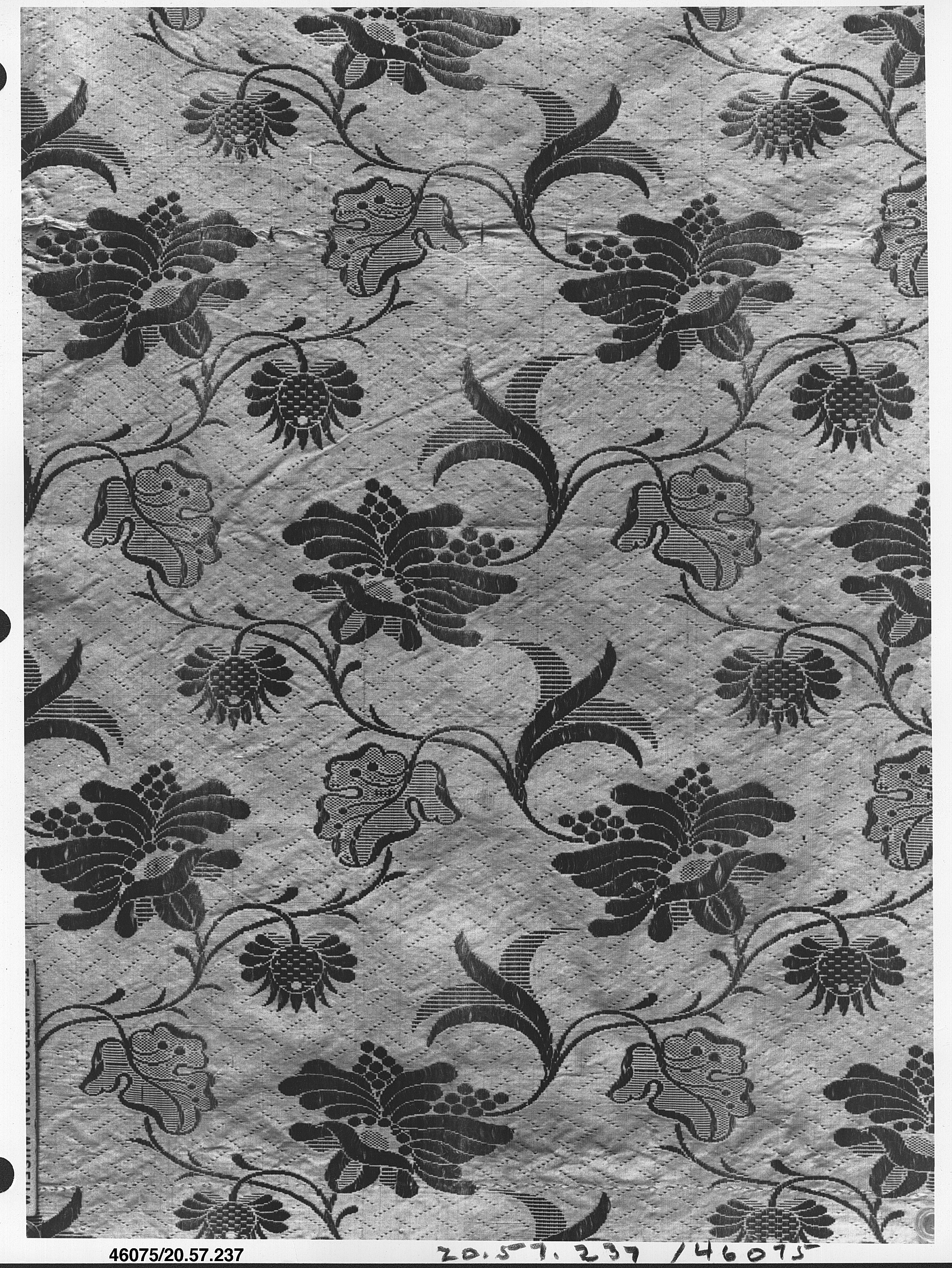
Piece as Protagonist: A Couture Study in Global Silk Heritage
In the lexicon of contemporary couture, the term piece carries a weight that transcends mere garment classification. It denotes singularity—an object conceived not as a component of a seasonal collection, but as a self-sufficient statement of craft, intention, and cultural memory. At Katherine Fashion Lab, our standalone study of the piece begins with a fundamental premise: that a singular garment, when executed in silk and informed by global heritage, can function as both artifact and argument. It is simultaneously a record of where we have been and a proposition about where couture may yet go.
This analysis examines the piece not as merchandise but as a site of inquiry. When silk—the most historically freighted of all couture materials—is placed at the center of a standalone study, the resulting object becomes a lens through which we may read the entangled histories of trade, empire, craftsmanship, and modern authorship. The piece, in this framing, is never merely beautiful. It is evidentiary.
Silk as Material Archive
Silk is not a neutral medium. Its production history spans millennia and continents: from the sericulture traditions of ancient China, through the Silk Roads that carried both filament and technique westward, to the Ottoman weaving houses, the Lyon ateliers of eighteenth-century France, and the handloom cooperatives of contemporary India and Uzbekistan. To work in silk is to work within a global inheritance that no single designer, house, or nation can claim as proprietary.
At Katherine Fashion Lab, we treat this inheritance as a design brief rather than a decorative resource. The material biography of a silk textile—its weight, its weave, its drape, its response to light—determines the architecture of the piece. A heavy charmeuse behaves differently from a crisp dupioni or a gossamer organza; each carries its own cultural associations and structural logic. The standalone study format allows us to follow those logics without the compromises imposed by collection cohesion, producing a garment whose every seam is a consequence of material truth rather than trend obligation.
This approach aligns with a broader movement in luxury fashion toward material transparency—the insistence that consumers understand not only where a fiber originates but who cultivated, spun, dyed, and wove it. The piece, in this context, becomes a document of provenance as much as a wearable object.
Global Heritage Without Appropriation
The phrase global heritage demands scrutiny. Too often, couture has treated non-Western craft traditions as a reservoir of ornament—patterns lifted, techniques extracted, credit withheld. A rigorous standalone study must resist this extractive logic. The question is not whether a designer may draw on global heritage, but on what terms, with what reciprocity, and with what acknowledgment of authorship.
Our position is that heritage is best engaged through collaborative authorship. When a piece incorporates, for example, a weaving technique developed over generations in a specific community, the study documents that community's contribution as intellectual property, not as anonymous "inspiration." This may mean co-crediting artisans, structuring benefit-sharing agreements, or commissioning textiles directly from source workshops rather than sourcing them through intermediaries who obscure origins.
The resulting piece is richer for this rigor. It carries not only aesthetic value but ethical legibility. In an era when luxury consumers increasingly interrogate the supply chains behind their purchases, such legibility is not merely virtuous—it is commercially intelligent.
Structure, Silhouette, and the Standalone Logic
Because the piece is not bound to a collection narrative, its silhouette can be determined entirely by internal necessity. In our study, this freedom manifests as a deliberate tension between historical reference and contemporary construction. The cut may echo the draped tunics of classical antiquity or the structured bodices of the Renaissance court, yet the internal engineering—interfacing, boning, seam finishes—employs contemporary techniques that maximize comfort and longevity.
Silk's natural elasticity and memory make it an ideal partner for this dual ambition. Unlike synthetic alternatives, silk adapts to the wearer over time, developing a patina of use that deepens rather than degrades its character. A well-constructed silk piece is designed to outlive its first owner—a proposition that challenges the disposability logic of fast fashion and positions couture as a form of intergenerational stewardship.
The Piece as Critical Object
Ultimately, the standalone study format invites us to treat the piece as a critical object—one that poses questions rather than merely answering market demand. What does it mean to make a garment in an age of ecological constraint? How should a designer honor heritage without freezing it in amber? What is the relationship between a single object and the global systems that produced it?
At Katherine Fashion Lab, we believe these questions are not peripheral to couture but constitutive of it. The piece, executed in silk and rooted in global heritage, is our attempt to answer them—not definitively, but honestly. It is a study, after all: an inquiry made tangible, a hypothesis stitched into being, awaiting the judgment of time and the discernment of those who wear it.