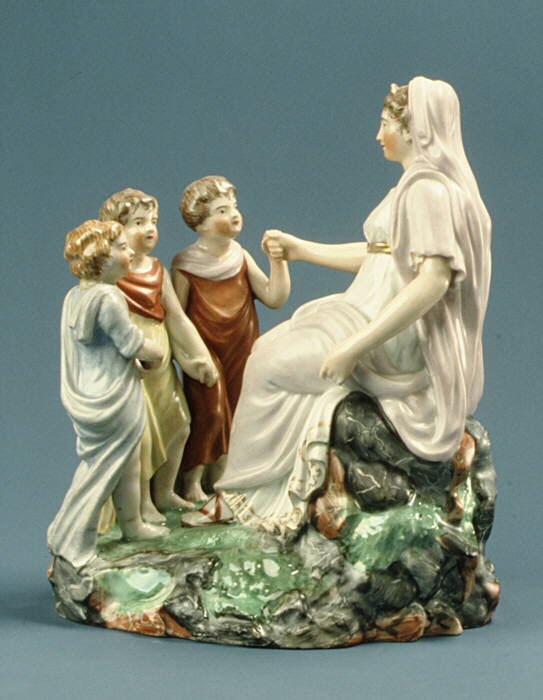
Executive Summary: The Right of Nationality as a Heritage Asset
This strategic standalone research examines The Right of Nationality, a heritage artifact originating from Ancient Civilization and rendered in hard-paste porcelain. The object operates at the intersection of political philosophy, ceremonial adornment, and material innovation. For Katherine Fashion Lab, it represents a rare opportunity to anchor a 2026 luxury collection in a narrative of belonging, sovereignty, and inherited prestige. The following analysis addresses symbolic power, historical adornment, spiritual meaning, and a commercially viable luxury strategy.
Material Provenance: Hard-Paste Porcelain as Civilizational Marker
Hard-paste porcelain—kaolin combined with petuntse and fired at approximately 1,400°C—emerged as a technological monopoly of Ancient Civilization before disseminating along global trade routes. Its translucency, resonance, and resistance to thermal shock rendered it superior to soft-paste imitations produced in later European manufactories. In the context of The Right of Nationality, the medium is not neutral; it is an assertion of civilizational priority. Nations that mastered hard-paste porcelain signaled scientific maturity, economic discipline, and aesthetic refinement.
For Katherine Fashion Lab, this provenance supports a positioning strategy of material authenticity. Luxury consumers in 2026 increasingly demand verifiable craft lineage. Hard-paste porcelain offers a defensible origin story that cannot be replicated through synthetic substitutes. The material itself becomes a certificate of legitimacy.
Symbolic Power: The Porcelain Body as Political Vessel
Adornment and the Right to Belong
The Right of Nationality was historically conferred through visible markers: seals, robes, insignia, and porcelain vessels exchanged during investiture ceremonies. Hard-paste porcelain served as a diplomatic medium—too valuable for daily use, too durable to be ephemeral. When a sovereign gifted a porcelain object, the gesture encoded recognition of the recipient’s national standing.
Symbolically, the object functions as a portable territory. Its glaze preserves the memory of the kiln; its form carries the proportions of the originating culture. In an era of digital nomadism and fluid citizenship, The Right of Nationality offers a counter-narrative: belonging is material, inherited, and earned through lineage rather than application.
Historical Adornment and Courtly Display
Within Ancient Civilization, porcelain adorned palaces, ancestral halls, and diplomatic tables. The Right of Nationality would have been displayed at eye level, often on carved stands, to emphasize its silhouette. Adornment was not decorative excess; it was administrative theater. The object communicated who held rights, who granted them, and who was excluded.
For 2026 luxury strategy, this history suggests a move away from logo-driven ornamentation toward architectural adornment. Katherine Fashion Lab can translate porcelain display conventions—elevation, lighting, symmetry—into retail environments and digital campaigns. The product is not worn on the body but worn by the space it occupies.
Spiritual Meaning: Firing, Fragility, and Permanence
Hard-paste porcelain undergoes a transformative fire that parallels spiritual initiation. The raw clay is formless; the kiln imposes identity. In many Ancient Civilization cosmologies, fire purifies and legitimizes. The Right of Nationality therefore carries a spiritual claim: the nation is not merely a legal construct but a refined substance tested by history.
Fragility coexists with permanence. Porcelain can shatter, yet intact pieces survive millennia. This paradox informs the spiritual meaning of the object: national identity is both vulnerable and enduring. For Katherine Fashion Lab, this duality supports a narrative of responsible custodianship. The brand does not sell porcelain; it safeguards a right.
2026 High-End Luxury Strategy: From Object to Institution
Positioning
The Right of Nationality should be positioned as a heritage institution rather than a seasonal collection. Katherine Fashion Lab can establish a dedicated atelier or archive line, with limited annual releases tied to diplomatic or cultural anniversaries. Scarcity is justified by kiln capacity and historical fidelity, not artificial drops.
Product Architecture
Three tiers are recommended:
Tier I – The Sovereign Object: One-of-one hard-paste porcelain works, hand-finished, accompanied by a provenance dossier and archival certification.
Tier II – The Adornment Series: Porcelain elements integrated into jewelry, handbags, and ceremonial accessories, each referencing a specific historical motif of nationality.
Tier III – The Right of Entry: Accessible luxury items—scented candles in porcelain vessels, silk scarves printed with kiln marks—that introduce new clients to the narrative without diluting exclusivity.
Client Experience
Luxury consumers in 2026 value narrative transparency and ritual participation. Katherine Fashion Lab should offer kiln-viewing experiences, porcelain-handling sessions, and private lectures on the symbolism of nationality. The purchase becomes an initiation into a historical right, not a transaction.
Communication
Messaging must avoid nationalist exclusion. The Right of Nationality is framed as a cultural inheritance available to those who respect its codes. Language should emphasize stewardship, craft, and continuity. Visual identity should draw on hard-paste porcelain’s cool white surface, cobalt underglaze, and the geometry of ancient seals.
Risk Assessment and Mitigation
Primary risks include cultural appropriation claims, supply chain fragility, and market fatigue with heritage narratives. Mitigation requires transparent sourcing from authorized kilns, collaboration with cultural historians, and a communications strategy that credits Ancient Civilization explicitly. Katherine Fashion Lab should also invest in restoration services, reinforcing the permanence narrative.
Conclusion: The Right to Refine
The Right of Nationality, rendered in hard-paste porcelain, is not a relic. It is a strategic asset that unites symbolic power, historical adornment, and spiritual meaning under a single material truth: refinement requires fire. For Katherine Fashion Lab, the 2026 opportunity lies in translating this ancient right into a modern luxury institution—one that sells not belonging, but the discipline of belonging. The kiln has always known who deserves the glaze.