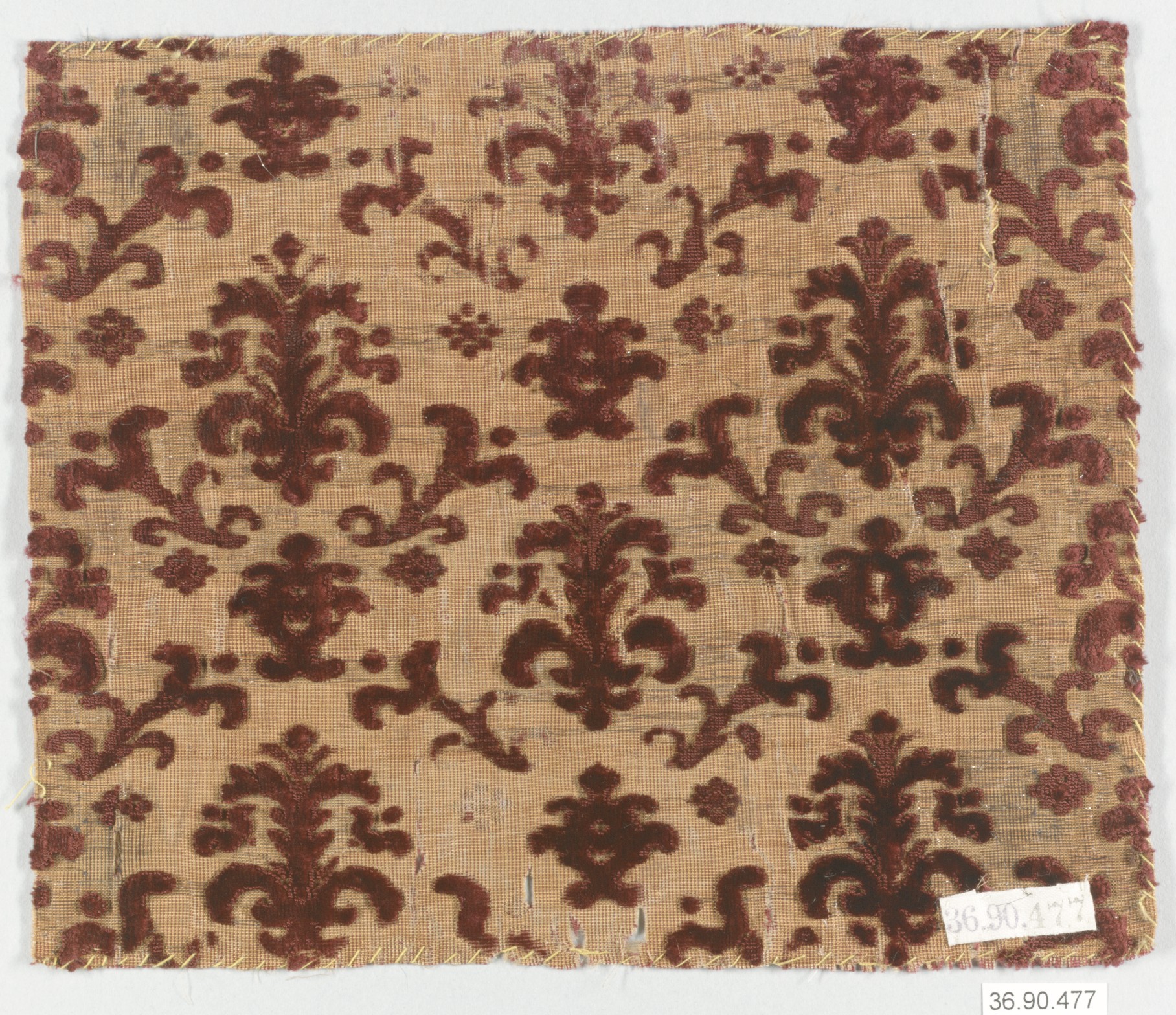
Piece as Couture Proposition: Silk and Metal Thread in a Standalone Study
In the lexicon of haute couture, the term piece carries a weight that exceeds mere garment classification. A piece is a self-contained argument—an object that must justify its own existence through construction, material integrity, and conceptual coherence. When a piece is executed in silk and metal thread, it enters a rarefied category of textile practice where the soft and the rigid, the organic and the industrial, the ephemeral and the enduring are forced into negotiation. This standalone study examines the couture piece as a global heritage artifact, tracing how silk and metal thread have functioned across civilizations as markers of authority, ritual, and technological mastery.
The Material Dialectic: Silk and Metal Thread
Silk, biologically produced by the Bombyx mori larva, is a protein fiber whose triangular cross-section refracts light to produce its characteristic luster. Its tensile strength rivals steel by weight, yet its hand is supple enough to drape across the body like liquid. Metal thread—whether drawn silver, gilded copper, or flattened gold wound around a silk core—introduces a fundamentally different logic. It does not drape; it holds. It does not absorb light; it reflects it. Where silk whispers, metal thread declares.
The couture piece that unites these materials must reconcile their opposing behaviors. A metal thread embroidery on silk will, over time, abrade the delicate warp and weft beneath it—a phenomenon documented in historical vestments where gilded threads have cut through their silk ground. The master maker therefore treats the union as a controlled tension, not a harmony. The metal is not decoration applied to silk; it is a structural intervention that alters the silk's movement, weight, and acoustic signature. A silk gown with metal thread embroidery does not rustle—it rings.
Global Heritage: A Cartography of Technique
The pairing of silk and metal thread appears across cultures with striking consistency, yet each tradition resolves the tension differently. In Byzantine and later European ecclesiastical embroidery, gold thread was laid over silk grounds in the opus anglicanum technique, creating figures whose sanctity was literally illuminated by reflected candlelight. The metal thread was not merely ornamental; it was theological—light as divine presence, silk as the human vessel receiving it.
In Chinese imperial court costume, silk and metal thread achieved a different synthesis. Dragon robes of the Qing dynasty employed kesi (slit tapestry) and couched gold to encode rank and cosmic order. The metal thread here was not applied to silk but woven with it, so that the garment's structure and its symbolism were inseparable. The piece was not a surface bearing decoration; it was a textile argument about the emperor's position between heaven and earth.
In Indian zardozi, metal thread embroidery on silk reached a level of density that transformed the textile into a semi-rigid shell. The Mughal workshops produced pieces where gold and silver wire, flattened and couched, covered the silk so completely that the ground became a hidden armature. The piece's value was calculated not by the silk but by the weight of the metal—an inversion of the European hierarchy where the ground was primary.
In West African and diasporic traditions, metallic threads were integrated into silk and cotton weaves through strip-loom techniques, producing cloths whose shimmer signaled status and spiritual protection. The metal thread here was often recycled—drawn from imported fabrics or unraveled from older textiles—introducing a temporal dimension: the piece carried the memory of previous objects.
The Standalone Study: Method and Meaning
To treat a silk-and-metal-thread piece as a standalone study is to refuse the conventional hierarchies of garment analysis. We do not ask what the piece is worn with, or what occasion it serves. We ask what the piece knows. A standalone study examines the object as a knowledge system: the metallurgy of the thread, the sericulture of the silk, the loom or frame on which they met, the hand that couched or wove them, the body that wore them, the archive that preserved them.
This method reveals that the piece is never neutral. Silk production historically depended on trade routes that moved both fiber and technology—from China to Byzantium, from Persia to Italy, from India to England. Metal thread depended on mining, refining, and drawing technologies that connected couture to metallurgy, alchemy, and eventually industrial chemistry. A single piece of silk embroidered with metal thread is therefore a compressed history of global exchange, labor, and desire.
Conservation and the Ethics of Permanence
The conservator confronting a silk-and-metal-thread piece faces a material paradox. Silk deteriorates through hydrolysis and oxidation; metal thread corrodes, tarnishes, and abrades its ground. The two materials age at different rates, so the piece becomes a record of differential decay. To stabilize the silk may require removing the metal; to preserve the metal may accelerate the silk's loss. There is no neutral intervention. The standalone study must therefore include an ethical dimension: what does it mean to preserve a piece whose materials are in conflict? The answer is not technical but philosophical—we preserve not the original state but the evidence of time.
Conclusion: The Piece as Argument
The couture piece in silk and metal thread is not a synthesis but a negotiation. It holds together two material logics—one biological, one geological—and forces them into a temporary alliance. Its global heritage is not a single origin but a network of techniques, each answering the same question differently: how do you make softness carry weight, and how do you make weight carry meaning? The standalone study does not resolve this question. It sharpens it. In the end, the piece is not an object to be worn but an argument to be read—a textile proposition about power, light, labor, and time, stitched in silk and spoken in metal.