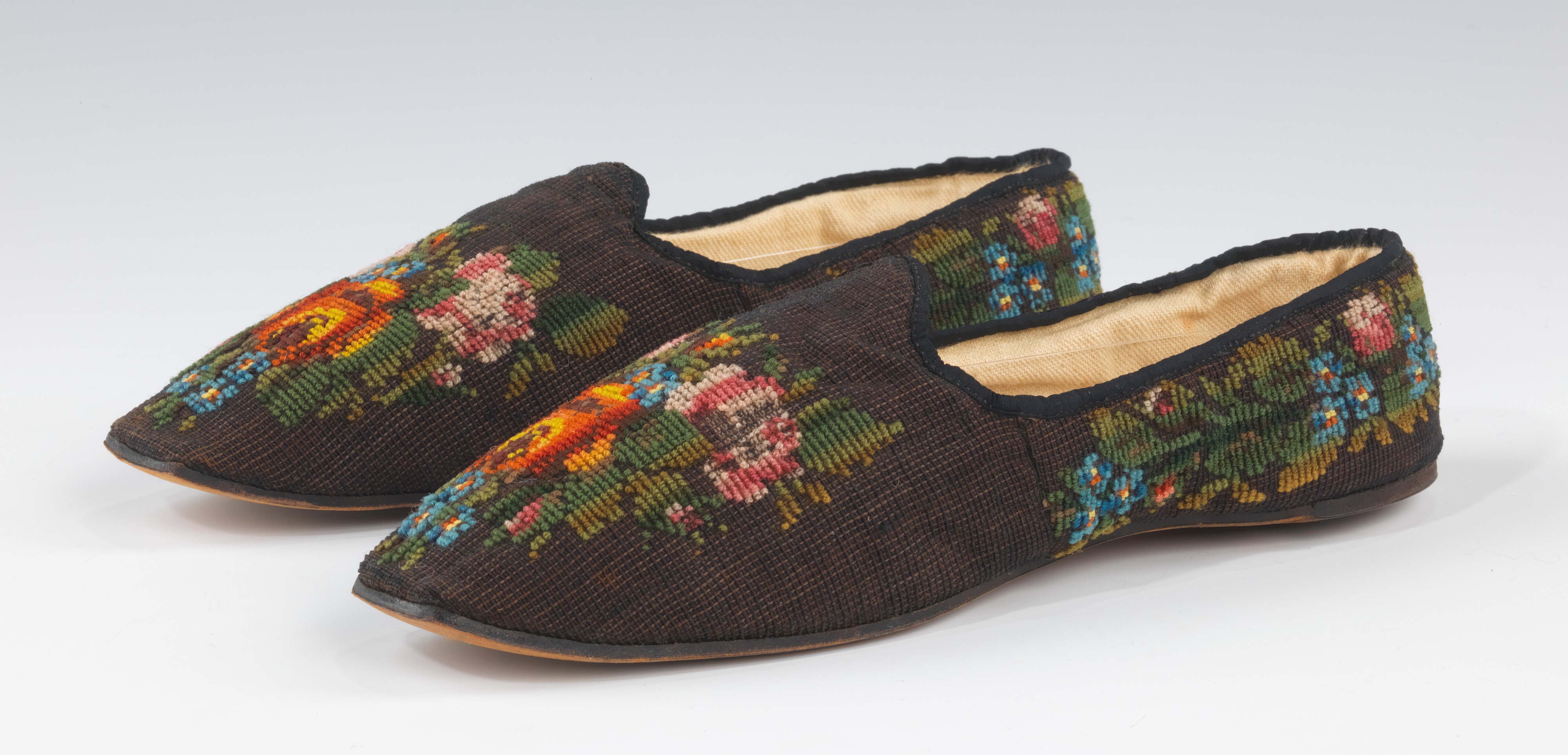
Introduction: The Slipper as an American Artifact
Within the broader narrative of American fashion, the slipper occupies a curiously liminal position. It is neither purely utilitarian nor wholly ornamental, neither strictly private nor entirely public. Yet when examined through the lens of material culture—specifically through the medium of wool—the American slipper reveals itself as a sophisticated index of domestic ideology, industrial innovation, and evolving concepts of comfort. This standalone study undertakes a couture analysis of the wool slipper, tracing its origins, material logic, and cultural resonance within the American wardrobe.
The choice to isolate the slipper as a subject of serious fashion inquiry is deliberate. In an industry that often privileges the spectacle of the runway, the slipper represents an alternative value system: one grounded in intimacy, tactility, and the quiet authority of the well-made object. By focusing on wool as its primary material, we uncover a lineage that connects pastoral American industry to contemporary luxury practice.
Origins: From Functional Necessity to Domestic Ritual
Colonial Foundations and the Wool Economy
The American slipper’s earliest iterations emerged from the practical demands of colonial domestic life. In the seventeenth and eighteenth centuries, households relied on locally sourced wool—often from sheep raised on small farms—to produce warm, durable footwear for indoor use. Unlike European court slippers, which frequently employed silk, velvet, or leather, the American slipper was born of necessity: it had to withstand harsh winters, unheated floors, and the rigors of daily labor within the home.
This functional origin, however, did not preclude aesthetic consideration. Colonial women often embellished wool slippers with embroidery or dyed them with natural pigments, transforming a basic protective garment into a modest expression of personal taste. The slipper thus became an early site of American design agency—a space where utility and ornamentation coexisted without contradiction.
Industrialization and the Democratization of Comfort
The nineteenth century marked a pivotal shift. With the rise of New England textile mills, wool became more uniformly processed and widely available. The slipper, once a handmade domestic product, entered the realm of mass production. Companies such as those in Massachusetts and Maine began manufacturing felted wool slippers, often targeting a growing middle class that valued both comfort and respectability.
Crucially, this industrialization did not erase the slipper’s association with the home. Instead, it reinforced it. Advertisements from the period positioned wool slippers as essential companions to the domestic hearth—symbols of warmth, safety, and familial order. The slipper became a material signifier of the boundary between the public world of work and the private world of rest.
Material Analysis: The Semiotics of Wool
Wool as Structure and Softness
From a couture perspective, wool is a paradoxical material. It is simultaneously robust and pliable, insulating and breathable, coarse in its raw state yet capable of extraordinary refinement when properly treated. In the context of slipper design, wool serves a dual function: it provides structural integrity to the footbed while delivering the tactile softness associated with domestic comfort.
American slipper makers have historically favored felted wool, a material produced through the application of heat, moisture, and pressure. Felting transforms loose fibers into a dense, non-woven fabric that resists fraying and retains shape. This process is not merely technical; it is transformative. The wool becomes a second skin for the foot, molding to individual contours over time. In this sense, the wool slipper is an object that improves with use—a rare quality in an era of disposable fashion.
Texture, Temperature, and the Senses
The sensory experience of wool is central to its couture value. Unlike synthetic materials, wool responds to body heat, creating a microclimate around the foot that regulates temperature and moisture. This thermoregulatory property makes the wool slipper uniquely suited to the American home, where heating systems vary widely and indoor climates fluctuate.
Moreover, wool’s texture communicates authenticity. A felted wool slipper signals craftsmanship, heritage, and a rejection of the artificial. In an age of hyper-digitization, the tactile presence of wool offers a grounding, almost nostalgic form of luxury—one that privileges the hand and the foot over the eye alone.
Cultural Resonance: The Slipper in American Life
Domesticity, Gender, and the Private Sphere
The American wool slipper has long been entangled with gendered notions of domesticity. Historically, it was women who were most often depicted wearing and making slippers, reinforcing the association between the home and feminine virtue. Yet this association is not merely restrictive. The slipper also represents a form of quiet power: the power to define comfort on one’s own terms, to withdraw from public performance, and to inhabit a space of unguarded ease.
In the twentieth century, the slipper became a unisex garment, adopted by men as a symbol of leisure and by women as a marker of sophisticated relaxation. Mid-century advertising often featured wool slippers alongside pipe smoke, newspapers, and fireside chairs—iconography that positioned the slipper as a reward for the working day.
Contemporary Couture and the Revaluation of Comfort
In recent years, the wool slipper has undergone a couture renaissance. Luxury houses and independent American artisans alike have reimagined the form, employing fine merino, cashmere blends, and hand-felted techniques. These slippers are no longer mere house shoes; they are statement pieces, worn with tailored trousers or evening wear in a deliberate blurring of public and private dress codes.
This shift reflects a broader cultural revaluation of comfort as a legitimate aesthetic category. The wool slipper, once relegated to the back of the closet, now occupies a place of honor in the contemporary wardrobe. It represents a rejection of discomfort as a prerequisite for elegance—a distinctly American pragmatism that insists beauty and ease can coexist.
Conclusion: The Slipper as a Site of Meaning
The American wool slipper is far more than a functional object. It is a repository of history, a testament to material intelligence, and a quiet subversion of conventional fashion hierarchies. Through its origins in colonial necessity, its transformation via industrialization, and its current status as a couture-adjacent artifact, the slipper embodies a distinctly American negotiation between utility and desire.
For Katherine Fashion Lab, the study of the slipper offers a model for how we might approach fashion analysis more broadly: with attention to material, context, and the everyday rituals that shape our relationship to clothing. The wool slipper reminds us that the most profound statements in fashion are often made not on the runway, but in the quiet spaces of the home.