Heritage Analysis: The Strip in Ancient Silk and Metal-Wrapped Velvet
Introduction: A Line That Carries Civilizations
Within the visual grammar of ancient textile cultures, few motifs possess the structural authority of the strip. Neither purely decorative nor merely functional, the strip operates as a disciplined horizontal or vertical band that organizes space, signals hierarchy, and encodes metaphysical order. In the context of Katherine Fashion Lab’s ongoing heritage research, the strip emerges not as a minimalist afterthought but as a sophisticated technology of meaning — one that has migrated from imperial silk workshops to contemporary luxury runways with remarkable fidelity. This analysis examines the strip through the lens of symbolic power, historical adornment, spiritual meaning, and its strategic repositioning for the 2026 high-end luxury market.
Historical Adornment: The Strip as Imperial Infrastructure
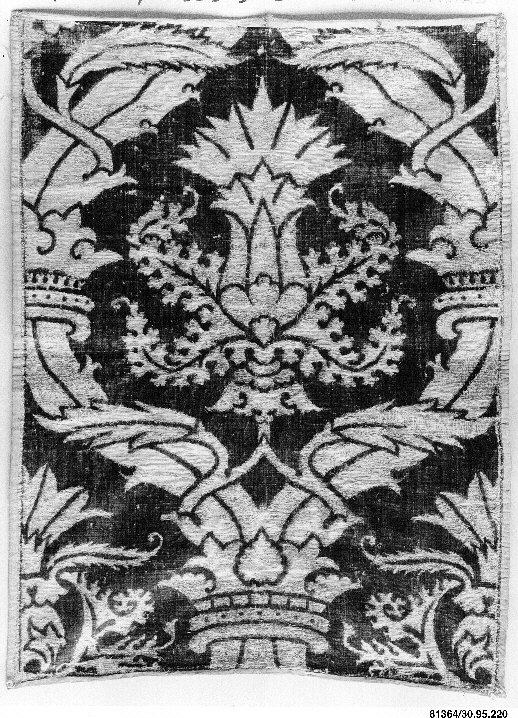
The strip’s earliest luxury expression appears in ancient silk production, where weavers in Han-dynasty China and later Byzantine and Safavid courts developed complex drawloom and velvet techniques to isolate bands of color and texture. The medium under examination — silk and metal-wrapped thread in cut and voided velvet — represents the apex of this tradition. Cut velvet creates a raised pile that catches light; voided velvet removes pile to expose a contrasting ground, producing a strip of shimmering metal thread against matte silk. This technical duality was never accidental. The strip became a wearable boundary: a line that separated the body of the garment into distinct zones of status.
In ancient civilizations from Egypt to Mesopotamia, striped textiles were frequently associated with the liminal — thresholds, transitions, and the marking of sacred or royal bodies. The Egyptian sšd headband, the Roman clavus stripe on tunics, and the Chinese pei sash all demonstrate that the strip functioned as a portable heraldic device. It told the viewer where the wearer stood in the cosmic and political order without a single word.
Symbolic Power: Stripes as Authority and Ambiguity
The symbolic power of the strip lies in its paradox. A single line is both a division and a connection. In medieval and early modern Europe, striped garments could denote the marginal — jesters, executioners, prostitutes — yet the same cultures reserved gold-threaded strips for coronation mantles and ecclesiastical vestments. The strip was dangerous because it was legible. It could elevate or stigmatize with equal efficiency.
In the ancient silk and metal-thread velvet tradition, the strip’s power was amplified by materiality. Metal-wrapped thread — often silver gilt or flat gold wound around a silk core — transformed the strip into a conduit for light. In candlelit courts, a striped velvet garment did not simply reflect status; it performed it. The strip became a rhythmic assertion of presence, a visual heartbeat across the body. For Katherine Fashion Lab, this historical duality is strategically valuable: the strip is not a neutral design element but a charged signifier that can be curated for contemporary narratives of power, fluidity, and heritage.
Spiritual Meaning: The Strip as Axis and Veil
Beyond courts, the strip carried profound spiritual weight. In many ancient traditions, vertical strips on temple hangings and priestly garments symbolized the axis mundi — the connection between earth and heaven. Horizontal strips, by contrast, often marked the horizon or the boundary of the sacred precinct. In cut and voided velvet, the alternation of pile and void created a tactile rhythm that mimicked breath or prayer beads: presence, absence, presence, absence.
Silk itself was frequently imbued with spiritual meaning — associated with purity, resurrection, and the incorruptible body. Metal-wrapped thread added an incorporeal quality, suggesting divine light rather than mere wealth. When woven into strips, these materials created a garment that was simultaneously a map of the cosmos and a shield for the wearer. The strip became a portable altar, a line of contact between the human and the transcendent. This spiritual dimension is critical for 2026 luxury strategy, where consumers increasingly seek objects of meaning rather than mere ornament.
2026 High-End Luxury Strategy: The Strip as Strategic Asset
As Katherine Fashion Lab positions itself for the 2026 luxury landscape, the strip offers a rare strategic asset: a heritage motif that is simultaneously ancient and modern, maximalist and minimal, spiritual and secular. Three strategic directions emerge.
First, material authenticity as narrative. The use of silk and metal-wrapped thread in cut and voided velvet is not a cost decision but a storytelling decision. In an era of algorithmic transparency, the technical complexity of voided velvet — where every strip is a deliberate removal as much as an addition — becomes a proof of craft. Luxury consumers in 2026 will demand provenance narratives that are verifiable and poetic. The strip, with its double technique of cutting and voiding, offers both.
Second, symbolic power for a fragmented world. The strip’s historical ability to denote status without logos is perfectly suited to a market fatigued by overt branding. A single metal-thread strip running through a silk velvet gown communicates authority, lineage, and restraint. It is a quiet signal for a noisy age. Katherine Fashion Lab can position the strip as an alternative to the monogram — a heritage code that whispers rather than shouts.
Third, spiritual meaning as luxury wellness. The 2026 luxury consumer is increasingly interested in garments that feel talismanic. The strip, historically a boundary and an axis, can be marketed as a wearable intention: a line of focus, a reminder of connection. This is not mysticism for its own sake but a strategic alignment with the wellness and mindfulness sectors that now intersect with high fashion.
Conclusion: The Strip as Living Heritage
The strip is not a static artifact. It is a living technology of meaning that has moved from ancient silk looms to contemporary ateliers without losing its charge. For Katherine Fashion Lab, the strategic opportunity is clear: to treat the strip not as a decorative residue but as a core asset — one that carries symbolic power, historical adornment, spiritual depth, and commercial relevance for 2026. In a luxury market that rewards authenticity and narrative, the strip offers a line that connects the ancient world to the next. The question is not whether to use it, but how deliberately to curate its power.