Italian Silk: The Strategic Currency of Symbolic Power, Sacred Adornment, and 2026 Luxury Positioning
Few textiles in the global luxury landscape carry the civilizational weight of Italian silk. As Katherine Fashion Lab evaluates its 2026 strategic portfolio, this analysis positions Italian silk not merely as a raw material but as a heritage asset with measurable symbolic equity. The objective is to decode how centuries of Italian sericulture, devotional adornment, and artisanal mastery can be converted into defensible brand value for high-end luxury consumers who increasingly purchase meaning rather than merchandise.
Historical Foundations: From Byzantine Monopoly to Italian Mastery
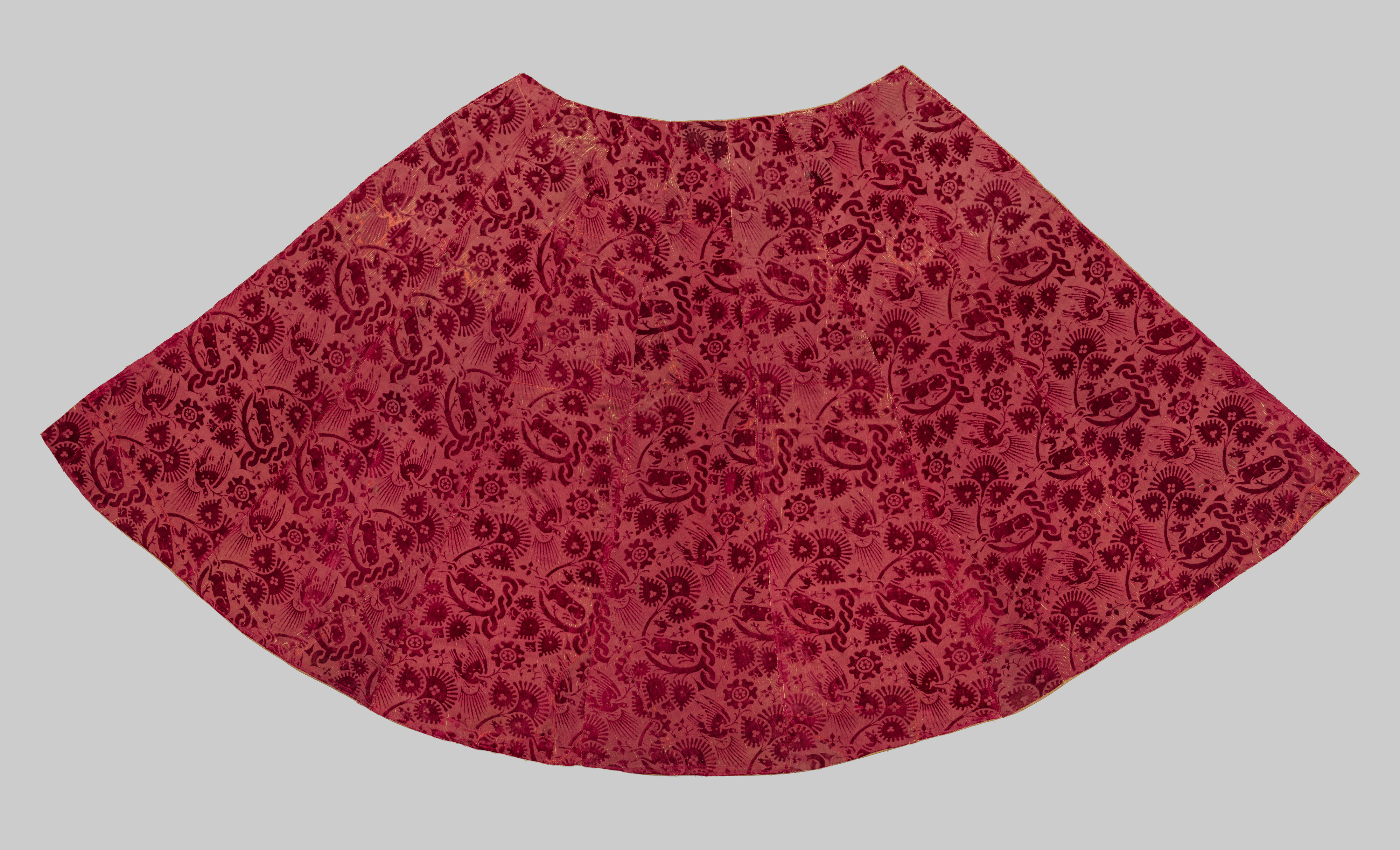
Silk entered the Italian peninsula through Byzantine and Arab trade corridors, but it was the Kingdom of Sicily and later the Republics of Venice, Lucca, Florence, and Como that transformed the fiber into an instrument of economic and political power. By the twelfth and thirteenth centuries, Italian city-states had established sericulture and silk weaving as strategic industries, protected by guild regulations, sumptuary laws, and trade diplomacy. The Arte della Seta in Florence and the Venetian silk workshops became laboratories of technical innovation, producing velvets, damasks, and brocades that signaled status across European courts.
This history matters commercially. Italian silk was never a neutral commodity; it was a controlled asset, regulated by guilds that understood quality as a form of governance. For Katherine Fashion Lab, the strategic parallel is direct: heritage-led luxury in 2026 must operate with similar discipline, treating provenance, certification, and craft governance as non-negotiable components of brand integrity.
Symbolic Power and Spiritual Meaning in Italian Silk Adornment
The symbolic vocabulary of Italian silk is deeply encoded. In ecclesiastical contexts, silk was reserved for liturgical vestments, altar frontals, and papal regalia, where its luminosity was understood as a material analogue to divine light. The pallium, woven from white wool and adorned with silk-derived ornamentation, and the cope and chasuble in shot silks and brocade, positioned the textile as a mediator between the earthly and the sacred. Color carried theological meaning: gold for sovereignty and eternity, purple for penitence and imperial dignity, red for martyrdom and the Passion.
Beyond the church, Italian silk functioned as a secular language of power. Renaissance portraits by Titian, Veronese, and Bronzino rendered silk with obsessive fidelity because the fabric communicated lineage, wealth, and political alignment. In Venetian diplomacy, silk gifts to Ottoman and European courts were instruments of soft power. The corno ducale, the doge's ceremonial headdress, and the elaborate silk abiti of the nobility were visual contracts with the body politic.
For contemporary luxury strategy, this symbolic density is an untapped asset. Consumers in the 2026 premium segment are not purchasing fabric; they are purchasing participation in a symbolic order. Italian silk offers a ready-made semiotic system—sacred, imperial, artisanal—that can be activated through narrative, ritualized product experiences, and limited devotional-inspired editions.
Artisanal Ecosystems: Como, Lucca, and the Economics of Rarity
The commercial strength of Italian silk rests on regional ecosystems that have survived industrialization through specialization. Como remains the global center for high-end silk printing and finishing, home to family-run stamperie and tintorie whose archives span generations. Lucca preserves a tradition of silk weaving linked to medieval guilds, while Venetian and Florentine ateliers maintain hand-loom techniques for velvet and brocade. These ecosystems are not nostalgic relics; they are competitive moats.
However, the 2026 luxury market faces structural pressures: raw silk supply volatility, climate impact on mulberry cultivation, and generational succession challenges in Italian workshops. Katherine Fashion Lab should treat these as strategic variables rather than external risks. Vertical partnerships with Como and Lucca producers, investment in traceable filiera (supply chain) documentation, and co-branded artisan certifications can convert fragility into exclusivity.
2026 High-End Luxury Strategy: From Material to Meaning
The 2026 luxury consumer is defined by discernment, provenance literacy, and a preference for products that carry verifiable cultural narrative. Italian silk aligns with three strategic pillars:
First, symbolic power as differentiation. Brands that can articulate the sacred and imperial lineage of Italian silk—without resorting to costume or pastiche—create an aura that synthetic alternatives cannot replicate. This requires curatorial rigor: archival research, museum partnerships, and controlled storytelling.
Second, spiritual meaning as emotional premium. The devotional history of Italian silk offers a framework for products positioned as objects of contemplation, ritual, and inheritance. Limited editions inspired by liturgical color cycles, Renaissance grottesche, or Venetian textile patterns can command premium pricing when framed as cultural custodianship rather than fashion novelty.
Third, heritage governance as risk management. As EU regulations on provenance and sustainability tighten, Italian silk's documented supply chain becomes a compliance advantage. Katherine Fashion Lab should pursue Made in Italy certification, blockchain-based traceability, and long-term agreements with historic mills to secure both material and narrative control.
Strategic Recommendations for Katherine Fashion Lab
To operationalize this heritage analysis, Katherine Fashion Lab should consider a three-horizon roadmap. In the near term, commission a textile heritage audit of Italian silk sources, mapping symbolic motifs and spiritual references suitable for brand activation. In the medium term, establish a Silk Heritage Atelier partnership with a Como or Lucca mill, co-developing a signature jacquard or devotional-inspired print with documented provenance. In the long term, position Italian silk as the anchor material of a heritage luxury line—one that treats symbolic power, sacred adornment, and artisanal rarity as integrated value drivers rather than separate marketing claims.
Italian silk is not simply a textile. It is a compressed history of power, faith, and craft, and in the 2026 luxury economy, that compression is the product. The brands that succeed will be those that treat heritage as strategy, not decoration—and that can translate the symbolic weight of Italian silk into a coherent, defensible, and desirable proposition for the next generation of high-end consumers.