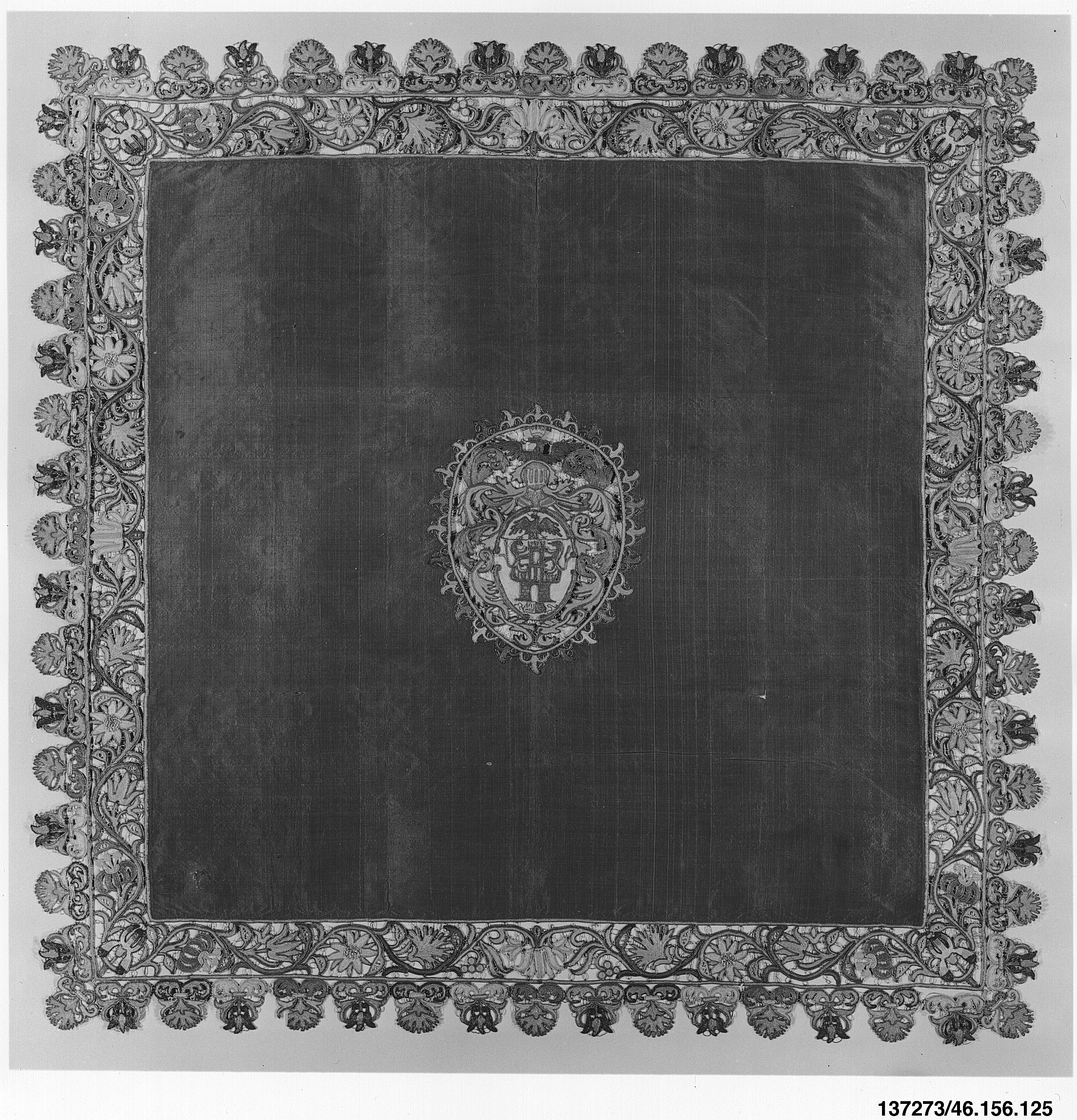
Heritage Analysis: The Cover as Artifact of Power, Protection, and Prestige
Introduction: The Cover as Civilizational Technology
Within the material record of ancient civilizations, few objects carry the density of meaning embedded in the cover—a constructed layer of silk and metal on silk designed to envelop, shield, and consecrate. Far from a merely functional textile, the cover functioned as an instrument of symbolic power, a medium of spiritual mediation, and a marker of stratified access to luxury. For Katherine Fashion Lab, the cover represents a strategic heritage asset: a category with deep historical legitimacy, high material complexity, and untapped potential in the 2026 high-end luxury landscape. This analysis examines the cover across four dimensions—symbolic authority, historical adornment, spiritual function, and contemporary brand strategy—to establish a framework for its responsible and commercially rigorous activation.
Symbolic Power: The Cover as Instrument of Authority
In ancient civilizations, the act of covering was never neutral. To cover was to exercise control over visibility, and visibility was the currency of power. Silk, produced through a tightly guarded sericultural monopoly, was itself a technology of statecraft; its export was regulated, its production ritualized, and its possession restricted to elites, clergy, and royalty. When silk was combined with metal—gold, silver, or bronze threads, beaten foils, or applied plaques—the resulting cover became a statement of cosmic ordering. Metal signified permanence, incorruptibility, and divine sanction. A cover embroidered with gold thread did not merely decorate a surface; it claimed that surface for a higher order.
Covers were deployed across thresholds of power: thrones were draped, sacred texts were bound, altars were veiled, and the bodies of rulers were shrouded. Each instance communicated the same message—authority requires a boundary. The cover marked the line between the sacred and the profane, the initiated and the uninitiated, the sovereign and the subject. In this sense, the cover was a portable institution, carrying the logic of governance into every space it entered.
Historical Adornment: Silk and Metal on Silk as Material Grammar
The medium specification—silk and metal on silk—deserves precise attention, as it encodes a hierarchy of materials and techniques that remains legible to contemporary luxury consumers. Silk, as the ground fabric, provided a smooth, lustrous substrate that amplified the optical properties of applied metal. Metal, whether as wrapped thread, flat strip, or couched plaque, introduced luminance, weight, and tactility. The combination created a surface that changed with light and movement, making the cover a dynamic object rather than a static one.
Historically, such covers were produced in court workshops and monastic ateliers where technique was inseparable from ritual. Embroidery was not merely craft; it was a disciplined practice requiring initiation, repetition, and adherence to canonical motifs. The metal elements were often applied last, after the silk ground had been woven and dyed, creating a layered construction that mirrored the layered meanings of the object itself. This stratigraphic logic—ground, pattern, metal, finish—offers a powerful metaphor for luxury production today: each layer adds value, meaning, and exclusivity.
Spiritual Meaning: Veiling, Protection, and Transformation
The spiritual function of the cover is arguably its most enduring and least commodified dimension. Across ancient civilizations, covering was an act of ontological transformation. To cover a body was to prepare it for transition; to cover a relic was to contain its power; to cover a deity was to acknowledge its ineffability. Silk, associated with purity and lightness, and metal, associated with incorruptibility, together formed a material prayer—a request for protection, continuity, and favor.
This spiritual grammar persists in contemporary luxury, albeit in secularized form. The consumer who purchases a high-end cover—whether for a garment, an accessory, or an interior object—is not simply buying fabric. They are acquiring a talismanic object that promises protection, distinction, and transformation. The 2026 luxury market, shaped by post-pandemic introspection and a search for meaning, is unusually receptive to this narrative. Brands that can articulate the spiritual lineage of the cover without resorting to appropriation or pastiche will find a receptive audience among consumers who value provenance, ritual, and emotional durability.
2026 Luxury Strategy: Positioning the Cover as a Heritage Category
For Katherine Fashion Lab, the strategic opportunity lies in treating the cover not as a product category but as a heritage platform. Three strategic imperatives emerge from this analysis:
First, material authenticity as differentiation. The specification "silk and metal on silk" is a competitive moat. In a market saturated with synthetic imitations, the lab should invest in verifiable sericulture partnerships, metal-thread sourcing, and artisan documentation. The 2026 consumer rewards transparency; a cover that can trace its silk to a specific region and its metal to a specific technique commands a premium.
Second, narrative layering as brand architecture. The cover's historical function—protection, authority, transformation—provides a ready-made storytelling framework. Each collection can be organized around a single symbolic function, with product design, campaign imagery, and retail environments reinforcing that theme. This approach avoids the incoherence of trend-chasing and builds cumulative brand equity.
Third, ritualized consumption as experience design. The cover was historically activated through ritual—unveiling, presentation, consecration. Katherine Fashion Lab can translate this into contemporary experience: limited-edition releases, commissioning rituals, and authentication ceremonies that transform a purchase into an initiation. In the 2026 luxury landscape, where access is abundant but meaning is scarce, ritual is the ultimate luxury.
Conclusion: From Artifact to Strategy
The cover is not a relic to be admired from a distance. It is a living technology of power, adornment, and meaning—one that ancient civilizations perfected and that contemporary luxury has yet to fully reclaim. For Katherine Fashion Lab, the strategic imperative is clear: treat the cover as a heritage platform, invest in material authenticity, build narrative layering into the brand architecture, and design ritualized consumption experiences. In doing so, the lab can position itself not merely as a producer of luxury goods, but as a custodian of civilizational knowledge—a role that commands both cultural authority and commercial premium in the 2026 market.