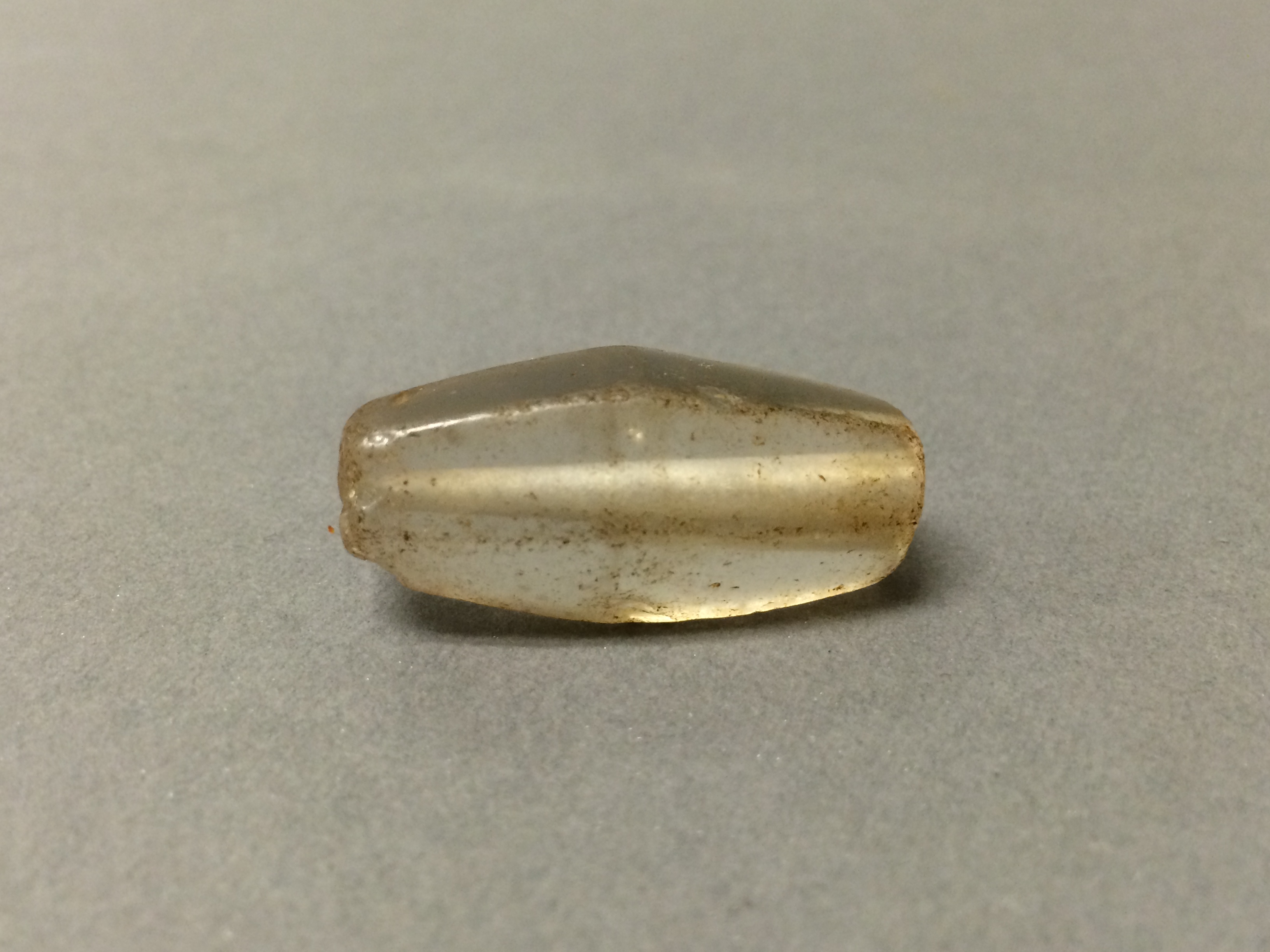
Heritage Analysis: The Japanese Crystal Bead as a Strategic Luxury Asset
Introduction: Locating the Bead Within Japanese Material Culture
Within the canon of Japanese adornment, the bead occupies a position of unusual strategic depth. It is simultaneously an object of sacred ritual, a marker of courtly status, and a vernacular craft form. For Katherine Fashion Lab, the Japanese crystal bead represents not merely a decorative component but a compressed carrier of meaning—one that can be activated across heritage storytelling, product architecture, and premium pricing strategy. This analysis examines the bead's symbolic power, historical lineage, spiritual function, and its viable positioning within the 2026 high-end luxury landscape.
Historical Lineage: From Magatama to Monozukuri
The Japanese bead tradition begins with magatama, comma-shaped ornaments dating to the Jōmon period (c. 14,000–300 BCE). Fashioned from jade, agate, talc, and later crystal, magatama were strung into necklaces and buried with the dead, functioning as both personal ornament and metaphysical instrument. By the Kofun period (c. 250–538 CE), they had become regalia of the imperial court—symbols of authority whose curved form suggested the transition between the material and spiritual worlds.
This lineage matters commercially. Unlike Western bead traditions that often privilege surface decoration, the Japanese bead carries an unbroken thread from prehistoric ritual to contemporary craft. The concept of monozukuri—the Japanese ethos of devoted craftsmanship—elevates the bead from commodity to cultural artifact. When Katherine Fashion Lab sources Japanese crystal beads, it inherits this narrative: an object made not simply to adorn, but to embody intention, patience, and reverence.
Symbolic Power: The Crystal as Spiritual Conduit
In Shinto cosmology, crystal (suishō) is associated with purity, clarity, and the presence of kami (divine spirits). The sacred Yasakani no Magatama, one of the three Imperial Regalia of Japan, is a jewel—likely a curved bead—that symbolizes benevolence and the emperor's legitimate authority. Crystal beads were also used in Buddhist rosaries (juzu), where each bead marks a recited prayer, transforming the object into a tactile record of spiritual discipline.
This dual identity—imperial and devotional—gives the Japanese crystal bead a symbolic density that few luxury materials possess. It is at once a symbol of sovereign power and personal transcendence. For a luxury brand, this translates into a rare strategic asset: a material that can speak to both heritage authority and individual meaning-making, appealing to consumers who seek objects of spiritual resonance rather than mere status display.
Spiritual Meaning and the Aesthetics of Restraint
Japanese aesthetics consistently privilege restraint over excess. The crystal bead embodies this through its transparency, its cool tactility, and its capacity to refract light without ostentation. In Zen practice, the polished bead reflects the disciplined mind—clear, unclouded, and present. This philosophical framing offers Katherine Fashion Lab a differentiated narrative in a luxury market saturated with maximalist gemstone displays.
The bead's spiritual meaning also extends to concepts of wabi-sabi, where beauty is found in imperfection and transience. Crystal, though durable, is fragile; its inclusions and internal fractures are read as evidence of natural authenticity rather than flaw. For 2026 luxury strategy, this reframes imperfection as provenance—a counter-narrative to the sterile perfection of mass-produced luxury.
2026 Luxury Strategy: Positioning the Crystal Bead
The 2026 high-end consumer is expected to prioritize provenance, sustainability, and emotional authenticity. The Japanese crystal bead aligns with all three. Its historical depth provides provenance; its association with enduring craft supports sustainability narratives; and its spiritual symbolism delivers emotional authenticity.
Strategically, Katherine Fashion Lab should consider three activation vectors:
1. Heritage capsule collections. Limited-edition pieces that trace the bead's journey from magatama to modern adornment, using archival research and artisan collaboration to justify premium pricing.
2. Ritualized product experiences. Packaging and storytelling that invoke the juzu tradition—positioning each piece as an object of daily mindfulness rather than occasional wear.
3. Cultural partnership. Collaboration with Japanese crystal artisans and Shinto or Buddhist heritage institutions to authenticate the narrative and secure press coverage in heritage and luxury media.
Pricing architecture should reflect the bead's dual value: material rarity and symbolic capital. A crystal bead necklace positioned at the accessible luxury tier can serve as an entry point, while bespoke pieces incorporating antique magatama or museum-grade crystal can anchor the ultra-premium tier.
Conclusion: The Bead as Strategic Heritage Asset
The Japanese crystal bead is not a trend; it is a civilizational artifact with continuous relevance. Its symbolic power—imperial, spiritual, and aesthetic—offers Katherine Fashion Lab a defensible position in the 2026 luxury market. By treating the bead as a heritage asset rather than a component, the brand can build collections that are culturally literate, emotionally resonant, and commercially durable. In a market where meaning is the ultimate luxury, the Japanese crystal bead is a strategic imperative.