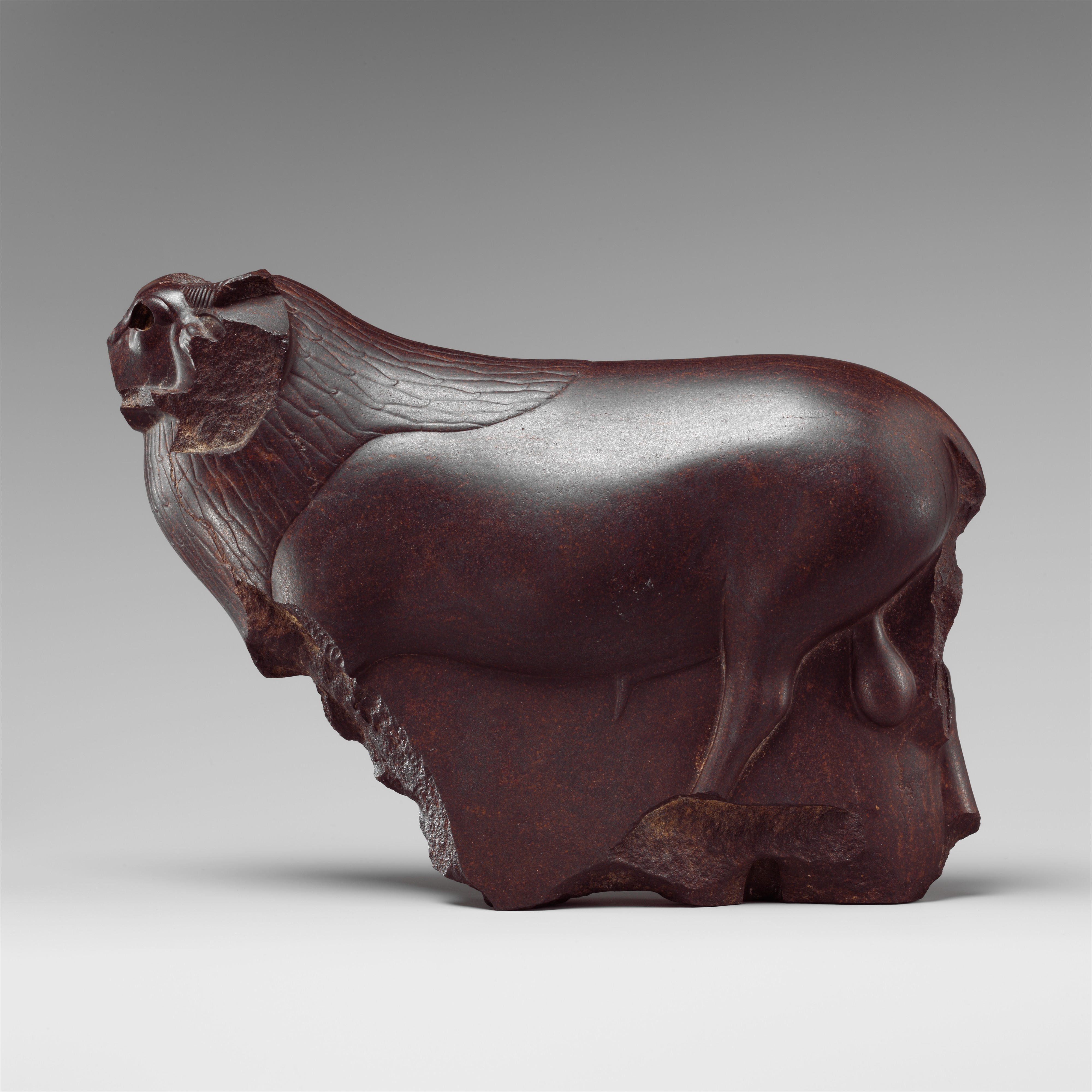
Heritage Asset Analysis: The Brown Stone Ram Statuette
Introduction: A Strategic Heritage Asset
Within the portfolio of Katherine Fashion Lab's heritage research, few objects carry the semiotic density of the brown stone ram statuette. Carved from meta-arenite—a quartz-rich indurated sandstone classified in petrographic terms as quartzwacke—this object belongs to the broader material culture of Ancient Civilization, a designation that situates it at the intersection of archaeological significance and contemporary luxury strategy. For a maison preparing its 2026 positioning, the ram statuette is not merely an artifact; it is a strategic asset whose symbolic capital can be converted into brand equity. This analysis examines the object's material composition, symbolic power, historical role in adornment, spiritual meaning, and its translation into a high-end luxury framework.
Materiality and Craft: The Language of Quartzwacke
The choice of meta-arenite as a medium is significant. Quartzwacke, with its high quartz content and indurated structure, offers exceptional durability and a warm, brown-toned surface that develops a subtle patina over time. Unlike softer stones such as steatite or limestone, quartzwacke resists erosion, which explains the survival of the statuette across millennia. From a craftsmanship perspective, the hardness of the material demanded advanced lapidary skills: abrasion with quartz sand, controlled percussion, and possibly the use of copper tools. This technical difficulty elevates the object's prestige, as only skilled artisans within the Ancient Civilization could command such resources. For Katherine Fashion Lab, the material narrative supports a luxury strategy rooted in permanence and mastery—values that resonate with modern consumers seeking authenticity over ephemerality.
Symbolic Power: The Ram as Archetype
The ram is among the most potent archetypes in ancient iconography. Across Mediterranean and Near Eastern cultures, it symbolized virility, leadership, and sacrificial renewal. In Mesopotamian and Egyptian contexts, ram deities such as Khnum and Amun were associated with creation and fertility. The statuette's brown stone medium further amplifies this symbolism: brown evokes earth, stability, and ancestral lineage. As a standalone research subject, the ram statuette functions as a semiotic anchor—its horns spiraling inward suggest cyclical time, while its upright posture communicates dominion. For a luxury brand, this archetypal clarity is invaluable. It allows for storytelling that is both universal and specific, avoiding the vagueness that dilutes premium positioning.
Historical Adornment and Ritual Use
While the statuette itself is not jewelry, its historical context reveals a deep connection to adornment. In Ancient Civilization, ram figures were often placed in temples or tombs, sometimes adorned with gold leaf, lapis lazuli inlays, or beaded collars. These embellishments transformed the stone into a hybrid object—part sculpture, part ornament. The ram's horns might have been gilded, and its eyes inlaid with colored stones, creating a visual focus that prefigures modern gem-setting techniques. This history of adornment provides a direct bridge to Katherine Fashion Lab's core competency: the integration of precious materials with sculptural forms. A 2026 collection could draw on this precedent, creating wearable pieces that echo the ram's silhouette—curved horns rendered in gold, brown quartzite cabochons, or enamel in earth tones.
Spiritual Meaning: Sacrifice, Protection, and Renewal
The spiritual dimension of the ram statuette cannot be overstated. In many ancient traditions, the ram was a sacrificial animal whose blood consecrated altars and whose horns served as protective amulets. The statuette likely functioned as a votive offering, a stand-in for the living animal, or a guardian figure. Its brown stone composition—dense, opaque, and earthy—anchored these meanings in the material world. For contemporary luxury, spirituality is a growing consumer value, particularly among affluent buyers seeking meaning beyond logos. A narrative that positions the ram as a symbol of protection and renewal aligns with post-pandemic desires for resilience and heritage. Katherine Fashion Lab can leverage this by developing a capsule collection titled "Aries Renewal," using ram motifs in subtle, sophisticated ways.
2026 Luxury Strategy: From Artifact to Atelier
Translating the ram statuette into a 2026 high-end strategy requires a multi-layered approach. First, material authenticity: the maison should source brown quartzwacke or similar sandstones for limited-edition hardstone dials, cufflinks, or pendant inlays. Second, narrative scarcity: position the collection as a limited series of 99 pieces, each accompanied by a provenance booklet detailing the original statuette's archaeological context. Third, experiential retail: create in-store installations that replicate the statuette's discovery, using lighting and texture to evoke a temple or tomb environment. Fourth, digital heritage: use blockchain to certify each piece's connection to the research archive, appealing to collectors who value traceability. Finally, cultural partnership: collaborate with a museum or archaeological institute to sponsor further research, embedding the brand in scholarly legitimacy.
The ram statuette is more than an ancient object; it is a strategic blueprint. Its quartzwacke medium speaks of endurance, its ram form of primal power, its adornment history of luxury craft, and its spiritual meaning of timeless relevance. For Katherine Fashion Lab, the path to 2026 lies in treating this artifact not as decoration but as a strategic asset—one that can anchor a collection, a campaign, and a renewed brand identity. The ram does not merely stand; it leads.