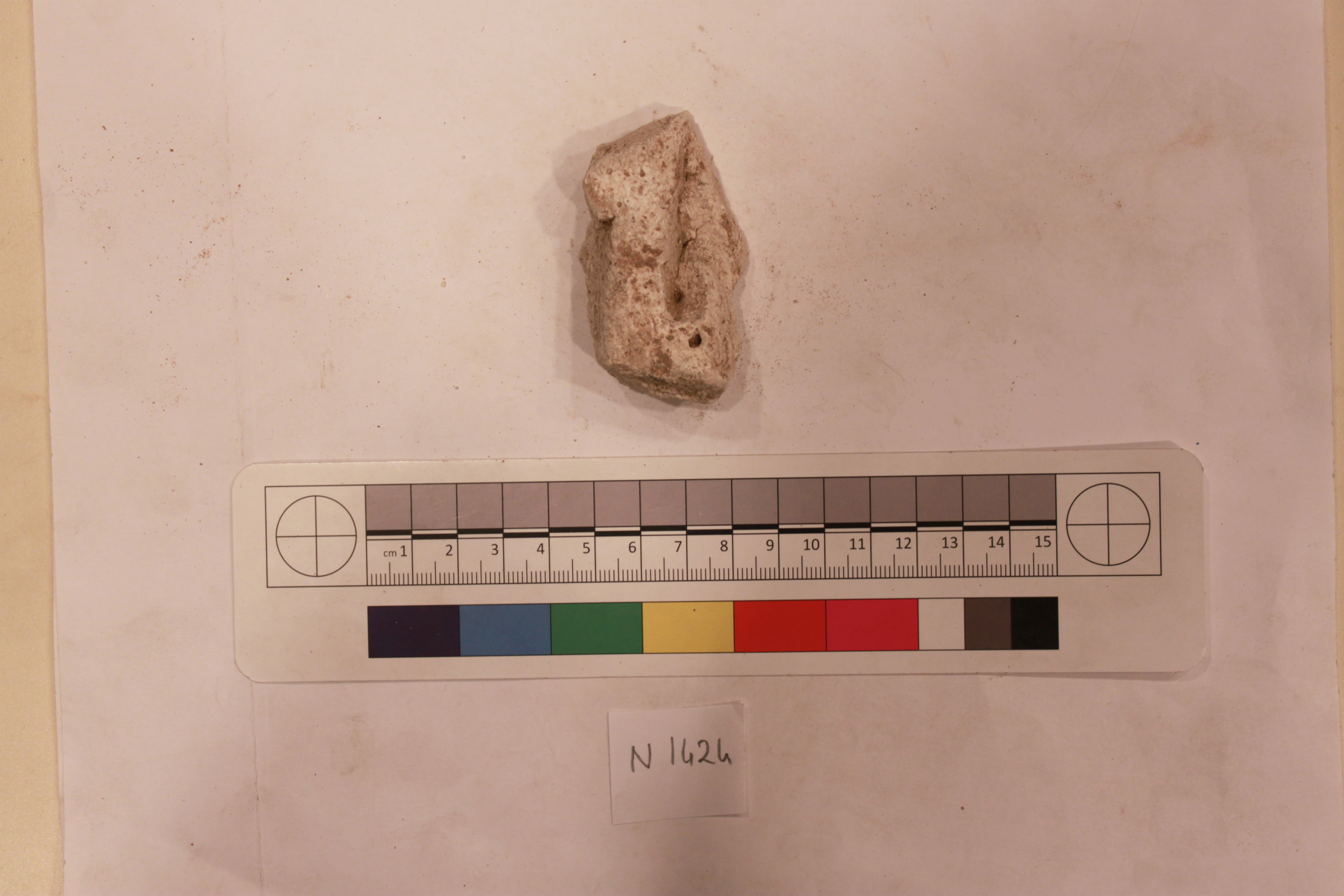
Stucco Fragment: A Couture Analysis of Surface, Structure, and Silence
Within the global heritage of architectural ornament, the stucco fragment occupies a paradoxical position: it is at once a ruin and a complete statement. Carved from mortar—a material of binding, filling, and covering—the fragment arrests the eye not through preciousness but through the discipline of its surface. For Katherine Fashion Lab, this standalone study proposes that stucco is not merely a historical substrate but a couture language: a language of relief, of matte restraint, and of structural honesty that contemporary luxury would do well to relearn.
The Material Logic of Mortar
Stucco is a composite. Lime, sand, water, and sometimes gypsum or marble dust are combined into a paste that hardens into a surface capable of receiving the finest incision. In the context of global heritage, stucco appears across Byzantine capitals, Islamic muqarnas, Mughal jali screens, and European Rococo interiors—each tradition exploiting the same fundamental property: stucco is a material that records the hand. Unlike stone, which resists the chisel with geological stubbornness, stucco accepts the tool with a slight yield. It is this yield that gives carved stucco its characteristic softness of edge, a softness that is not weakness but a form of controlled responsiveness.
For couture, this translates into a study of surface as evidence. A stucco fragment does not hide its making. Tool marks remain. The slight unevenness of hand-applied layers is visible. In an era of digital perfection, this is a radical proposition: that luxury may be defined not by flawlessness but by the legible trace of process. The fragment becomes a textile in stone—a woven record of pressure, timing, and intention.
Carving as Couture: Relief and the Body
Carved stucco is fundamentally a study in relief. The carver removes material to create a raised image, but the image is never fully detached from its ground. This is the opposite of appliqué, where ornament is added. In stucco, ornament is revealed by subtraction. The couture analogy is precise: consider the difference between embroidered surface and devoré, between applied lace and burned-out velvet. Both are valid, but only one operates through removal.
This subtractive logic has profound implications for silhouette. A stucco fragment, viewed in raking light, presents a topography of peaks and valleys. The raised areas catch illumination; the recessed areas hold shadow. On the body, this translates into garments that are not flat but architectural in their modulation of light. A shoulder seam that steps rather than slopes. A hem that thickens and thins in deliberate rhythm. A bodice that reads as smooth from the front but reveals, in profile, a series of carved planes. The fragment teaches that relief is not decoration; it is structure made visible.
Global Heritage and the Ethics of Appropriation
To study a stucco fragment from global heritage is to confront the question of origin. Stucco is not the property of any single culture. It is a technique that migrates—from Persian craftsmen to Moorish Spain, from Italian stuccatori to colonial Latin America. The fragment, therefore, is a document of transmission. Its beauty is inseparable from its hybridity.
For a contemporary fashion lab, this demands an ethical stance. The goal is not to lift motifs but to learn from the material's behavior. A stucco fragment does not present a pattern to be copied; it presents a logic of making to be internalized. The couture response is not a print of arabesques but a garment whose construction follows stucco's rules: layered, carved, light-responsive, and honest about its own assembly.
Matte Restraint and the Luxury of Silence
Stucco is not glossy. Even when polished, it retains a matte depth—a quality of light absorption that is the opposite of satin or patent leather. In a market saturated with shine, the stucco fragment offers a counter-aesthetic: the luxury of silence. This is not minimalism as absence but minimalism as concentration. The surface is quiet so that the form may speak.
Couture applications are immediate. A stucco-inspired collection would favor chalky whites, bone, and warm gray—colors that do not reflect but receive. Fabrics would be dense and dry: heavy crepe, felted wool, unglazed linen, and leather finished with a matte wax. Embellishment would be sparse and carved in effect: trapunto rather than beading, cutwork rather than sequins, seams that are pressed open and topstitched to read as incised lines.
Standalone Study: The Fragment as Complete
The designation "standalone study" is crucial. This fragment is not part of a larger architectural program in the present analysis; it is isolated, framed, and considered on its own terms. This is the museum condition, but it is also the couture condition. A garment, once worn, is a fragment of a life. A sleeve is a fragment of a body. The stucco fragment teaches that incompleteness is not a deficiency but a frame. What is missing—the wall, the arch, the building—becomes the negative space against which the fragment's positive form is defined.
For Katherine Fashion Lab, the stucco fragment is therefore a manifesto in miniature. It argues for material honesty over material spectacle. It argues for subtraction as a creative act. It argues for a global heritage that is not a warehouse of motifs but a laboratory of methods. And it argues that the most advanced couture may be the one that learns to carve, not to add—to reveal the body's architecture through relief, restraint, and the quiet evidence of the hand.
Conclusion: The stucco fragment is not a relic. It is a proposition. Carved mortar, born of global exchange, offers contemporary fashion a rigorous alternative to the gloss of excess: a couture of surface, structure, and silence. The fragment stands alone, and in standing alone, it stands for everything.