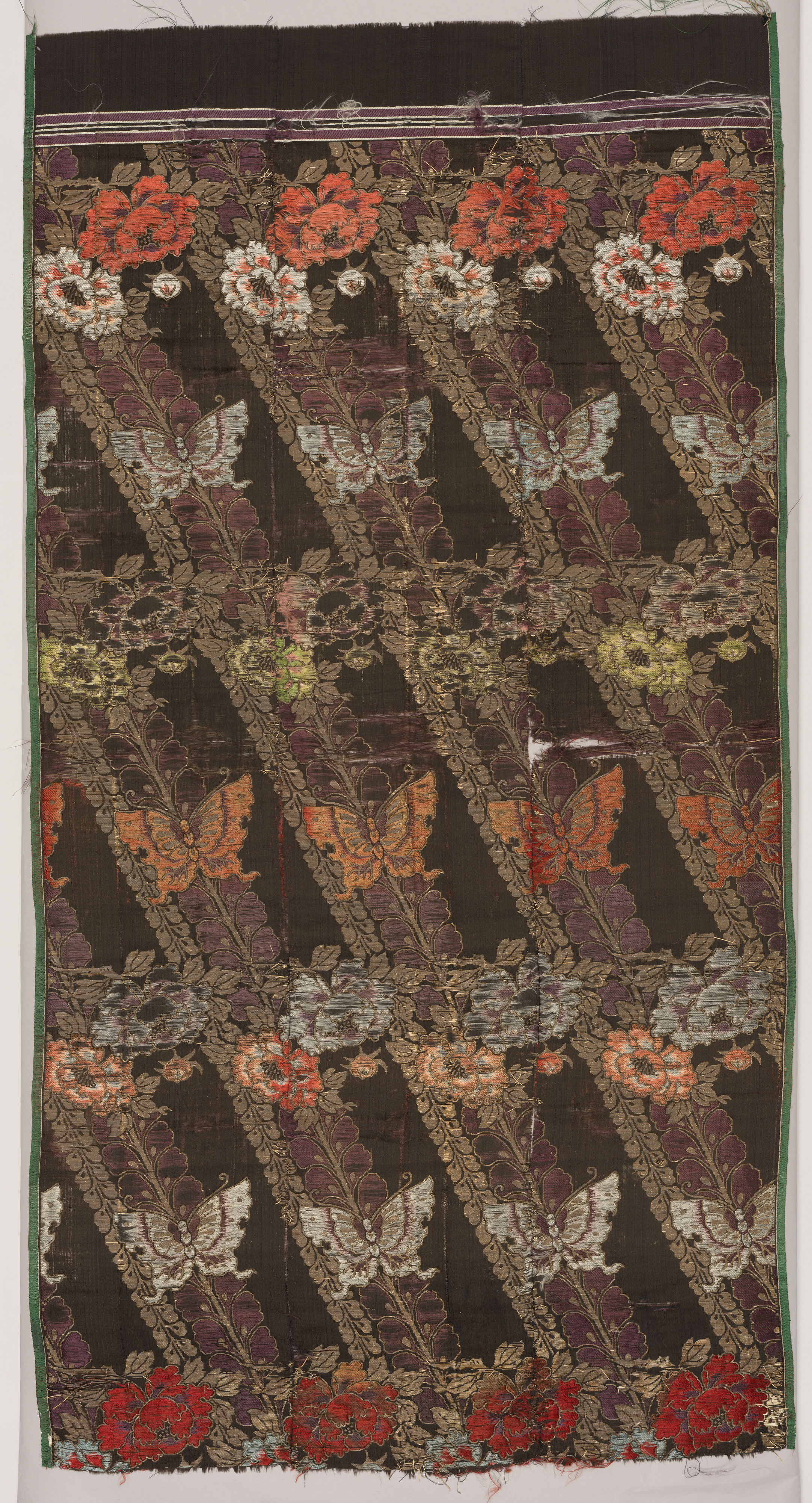
Strategic Heritage Analysis: The Japanese Silk Piece as a Framework for Luxury
For Katherine Fashion Lab, the pursuit of heritage is not an archival exercise but a strategic excavation of profound cultural codes. This analysis examines a singular artifact—a Japanese silk piece—as a multidimensional object of symbolic power, historical adornment, and spiritual meaning. Our objective is to deconstruct its intrinsic value systems to inform a forward-facing, high-end luxury strategy for 2026. In an era where luxury is increasingly defined by authenticity, narrative depth, and transcendental experience, this piece offers a complete semantic framework. It transcends its materiality (silk) and origin (Japan) to provide a blueprint for a luxury paradigm rooted in silence, intention, and layered meaning.
Deconstructing Symbolic Power: The Language of Silk and Form
The symbolic power of the Japanese silk piece is orchestrated through a confluence of material, motif, and absence. Firstly, the medium itself, silk (kinu), operates as a primary signifier. Historically, its production was a guarded imperial secret, and sumptuary laws often restricted its use to the aristocracy and high-ranking samurai. Thus, its very touch communicates exclusivity, privilege, and a rarefied connection to power. Beyond status, silk in Japan carries an aesthetic philosophy: its luster is not garish but a soft, inward light (hikari); its drape (tare) speaks of fluidity and natural movement, principles central to the Japanese concept of kei (respectful form).
The piece’s adornment—whether through embroidery (nuihaku), dyeing (shibori), or weaving (ori)—encodes a non-verbal language. A crane motif is not merely decorative; it is a direct invocation of longevity and fidelity. Geometric patterns (mon) often serve as familial crests, embedding the garment with identity and legacy. The strategic use of negative space (ma) is perhaps the most potent symbol. The unadorned areas are not empty but active, creating a visual and philosophical tension that suggests depth, restraint, and the unseen. This symbolic ecosystem transforms the piece from apparel into a wearable text, where value is measured in cultural literacy rather than mere surface ornamentation.
Historical Adornment and the Body Politic
Historically, the adornment of the Japanese body with silk was a precise act of social and spiritual positioning. The kimono, the most iconic vessel for such silk pieces, is a study in architectonic dressing. Its T-shaped, flat-construction form negates the Western emphasis on tailoring to the individual body, instead creating an idealized, abstract space around the wearer. This practice of historical adornment served a dual purpose: it disciplined the body according to social hierarchy (evident in the layered jūnihitoe of the Heian court) while simultaneously providing a canvas for personal expression through seasonal motifs and understated color combinations (kasane no irome).
The act of wearing was performative and situational. A single silk piece could be reconfigured through folding (ori), tying (musubu), and layering to suit different occasions—from a tea ceremony to a theatrical performance. This versatility underscores a core principle: luxury is not static but adaptive, an interface between the individual and the ritual. The silk piece thus functioned as a tool for embodiment, teaching the wearer how to move, bow, and present themselves within a codified universe. For the modern luxury strategist, this history suggests that true high-end products must facilitate a mode of being, not just a mode of appearance.
The Spiritual Substrate: Weaving Meaning into Material
Beneath the social and aesthetic layers lies a profound spiritual meaning that elevates the silk piece from craft to consecrated object. This spirituality is often animistic, rooted in Shinto beliefs that infuse nature (kami) into all things. The silkworm’s transformation is a metaphor for rebirth. The dyes derived from plants and minerals carry the essence of the natural world onto the fabric. The repetitive, meditative processes of weaving or hand-painting are forms of mindfulness, embedding the intention and labor of the artisan into the very fiber.
Furthermore, concepts from Zen Buddhism—wabi-sabi (the beauty of imperfection and transience), yūgen (profound grace and subtlety), and iki (refined, understated stylishness)—are materially expressed. A slight irregularity in a hand-woven texture (tsumugi silk), the subtle fading of an indigo hue, or the deliberate inclusion of a slub are not flaws but testaments to authenticity and the passage of time. This spiritual substrate offers a critical antidote to the sterile perfection of industrial luxury. It proposes a new luxury metric: the depth of connection to human hands and natural cycles.
Strategic Synthesis: A 2026 Luxury Framework for Katherine Fashion Lab
Translating this heritage analysis into a 2026 high-end luxury strategy requires moving beyond pastiche to the integration of underlying principles. For Katherine Fashion Lab, the Japanese silk piece provides a strategic triad:
1. Luxury as Encoded Narrative: Each 2026 collection must be built around a decipherable, non-obvious symbolic language. Techniques like shibori or motifs derived from kōdō (the way of incense) can tell stories of transformation or memory. Marketing becomes an education in cultural literacy, creating a coveted in-group of discerning clients.
2. Adornment as Ritual Interface: Design should consider the ritual of wearing. Can garments be modular, respecting the principle of ma through transformability? Can packaging and presentation mimic the ceremonial unfolding of a furoshiki (wrapping cloth)? The purchase and use of the product must feel like participation in a deeper practice.
3. Value through Spiritual Authenticity: In 2026, provenance must speak to philosophy. Partnering with specific ateliers in Kyoto or Okinawa isn’t enough; we must champion their specific worldview—their embrace of wabi-sabi, their sustainable harvest of dyes. This positions KFL not as a fashion brand, but as a curator of cultural and spiritual meaning, offering clients a tangible connection to authenticity and contemplation in a hyper-digital world.
Conclusion: The Piece as a Prototype for the Future
The analyzed Japanese silk piece is a prototype for the future of luxury. It demonstrates that ultimate value resides in the intersection of the material and the metaphysical. For Katherine Fashion Lab’s 2026 strategy, this heritage is not a constraint but a liberation. It provides a rigorous framework to build collections that are intellectually resonant, experientially rich, and spiritually substantive. By mastering the language of symbolic power, historical embodiment, and spiritual meaning, KFL can craft a unique market position: offering not just clothing, but wearable heritage that armors the modern individual with depth, intention, and silent authority. In the noisy marketplace of 2026, such silence will be the most powerful statement of all.