Saint Nicholas of Bari: A Heritage Asset Analysis for Katherine Fashion Lab
Introduction: The Strategic Value of a Byzantine Icon
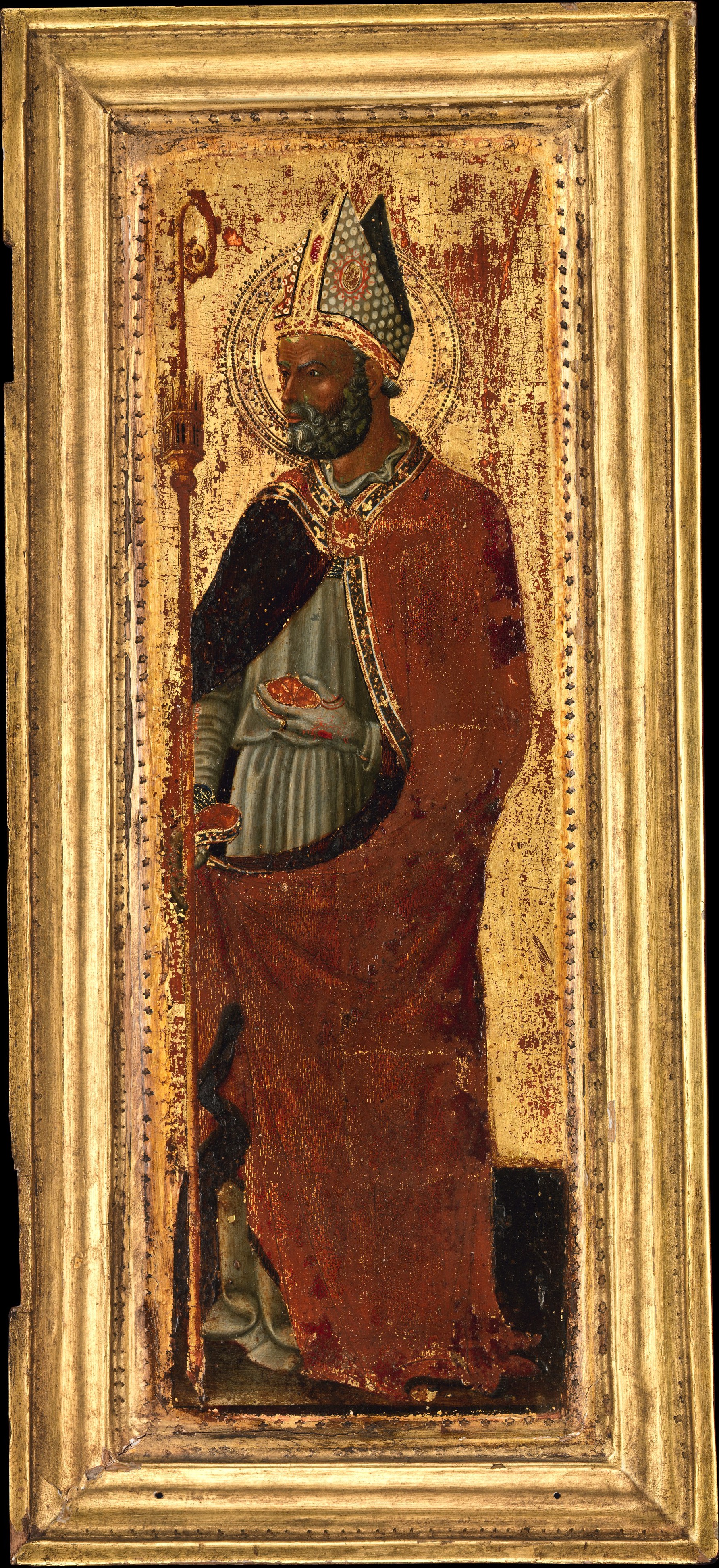
This analysis examines a tempera and silver on wood panel with gold ground depicting Saint Nicholas of Bari, a devotional object rooted in the artistic traditions of the ancient Byzantine world. For Katherine Fashion Lab, this artifact is not merely a historical curiosity but a strategic heritage asset. Its symbolic density, material hierarchy, and enduring spiritual authority offer a blueprint for a 2026 luxury strategy that privileges provenance, narrative depth, and tactile authenticity. In a market where consumers increasingly seek objects of meaning, Saint Nicholas provides a case study in how sacred imagery can inform commercial positioning without compromising cultural integrity.
Symbolic Power: The Saint as Protector and Patron
Saint Nicholas, Bishop of Myra in the 4th century, occupies a unique position in the Christian imagination. His legend—secret gift-giving, protection of the innocent, and miraculous provision—transformed him into the patron saint of sailors, merchants, and children. In the iconographic tradition, he is depicted wearing the omophorion, the bishop’s pallium marked with crosses, and holding the Gospels. Each element is a signifier of authority and compassion. The silver riza, or oklad, that often covers the painted surface is not decorative; it is a votive offering, a physical layer of devotion that mediates between the worshipper and the holy figure. For a luxury brand, this layering—paint, silver, gold—demonstrates how material hierarchy can encode spiritual meaning. The silver’s reflective quality invites intimacy, while the gold ground asserts transcendence. This dual address—intimate and transcendent—is precisely the emotional register that high-end clients seek in 2026.
Historical Adornment: The Material Language of Devotion
The medium itself—tempera and silver on wood, with a gold ground—represents a sophisticated pre-modern supply chain. Egg tempera required mineral pigments sourced from Afghanistan (lapis lazuli for blue), Cyprus (copper green), and the Levant (cinnabar). The gold leaf was applied over a red bole, a technique that creates a luminous depth. The silver riza, often stamped or repoussé, added a tactile dimension that changed with candlelight and incense. This object was never static; it performed its sacred function through interaction. For Katherine Fashion Lab, the lesson is clear: adornment should be participatory, not passive. A 2026 luxury strategy can translate this into garments and accessories that reveal different aspects under varying light, or that invite the wearer to touch, adjust, and engage. The historical use of silver as a protective cover also suggests a design principle of “revealed concealment”—the painted face of the saint is partially hidden, heightening the desire to see beneath. This is a powerful tool for limited editions and private client experiences.
Spiritual Meaning: From Myra to Bari to the Luxury Market
The translation of Saint Nicholas’s relics from Myra to Bari in 1087 was a political and economic event as much as a spiritual one. Bari became a pilgrimage destination, and the saint’s cult spread across Europe, eventually evolving into the secular figure of Santa Claus. This trajectory—from bishop to gift-giver, from sacred to commercial—mirrors the risk and opportunity facing any heritage brand. The spiritual meaning of the icon lies in its capacity to hold contradiction: judgment and mercy, wealth and poverty, the local and the universal. In 2026, luxury consumers are wary of empty symbolism. They demand authenticity, but they also seek transformation. Saint Nicholas offers a model of generosity that is disciplined, secret, and effective. A fashion collection inspired by this icon would not simply reproduce Byzantine motifs; it would embody the ethic of giving without spectacle. This could manifest in a made-to-order atelier service where a portion of proceeds funds anonymous charitable acts—a modern riza of social responsibility.
2026 High-End Luxury Strategy: Four Actionable Directives
1. Material Provenance as Narrative. The original icon’s gold ground and silver riza were sourced through complex trade routes. Katherine Fashion Lab should map and disclose its own material journeys—from Mongolian cashmere to Italian silk—with the same rigor. Clients in 2026 will pay a premium for traceability that reads like a pilgrimage map.
2. Layered Adornment and Ritual. The icon’s silver cover was removed only on feast days. This rhythm of concealment and revelation can inform product design: detachable collars, reversible linings, and modular jewelry that change the garment’s meaning across contexts. Ritual creates scarcity, and scarcity creates desire.
3. Patronage as Brand Ethos. Saint Nicholas is the patron of merchants and sailors—those who move goods across dangerous waters. A luxury house today moves goods across global supply chains. By adopting a patronage model—supporting artisans, maritime communities, or children’s education—the brand aligns its commercial power with spiritual purpose.
4. Iconic Restraint. The saint’s image is powerful precisely because it is not ostentatious. The gold ground is flat, the silver riza is unadorned in its earliest forms. For 2026, Katherine Fashion Lab should resist maximalism and instead pursue a “quiet icon” strategy: one signature silhouette, one sacred material, one recurring symbol. Repetition builds devotion.
Conclusion: The Icon as Strategic Mirror
Saint Nicholas of Bari, in tempera and silver on wood with gold ground, is a heritage object that refuses to be reduced to decoration. It is a technology of meaning, a material argument for generosity, and a historical precedent for how luxury can serve the sacred. For Katherine Fashion Lab, the strategic imperative is not to copy the icon but to internalize its logic: hierarchy of materials, participatory adornment, layered revelation, and patronage. In 2026, the most successful luxury brands will be those that operate like icons—stable in form, generous in spirit, and endlessly interpretable by the communities that cherish them. Saint Nicholas, the gift-giver who asked for nothing in return, may be the most unlikely and most effective patron for a fashion house that seeks to endure.