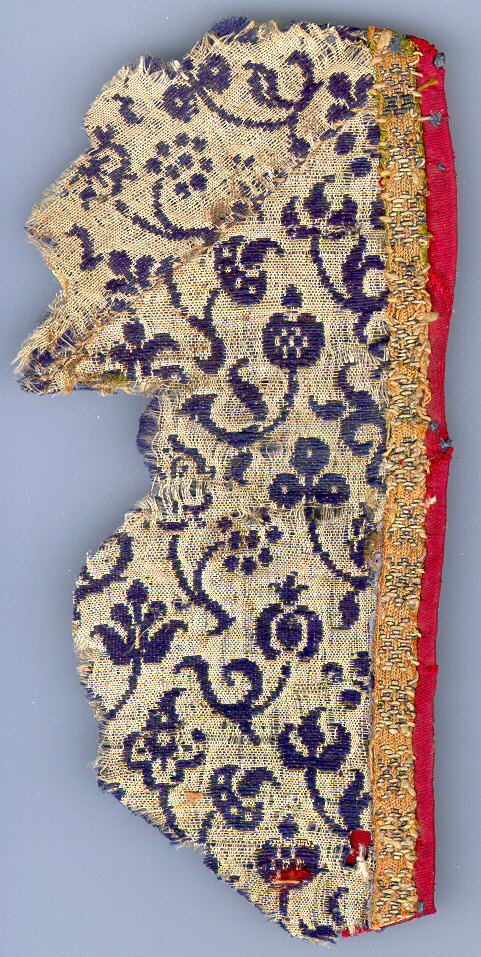
Italian Textile Heritage: Wool, Silk, and the Codification of Symbolic Power in High-End Luxury Strategy
Introduction: The Strategic Value of Material Memory
Within the competitive landscape of global luxury, few assets carry the durable equity of Italian textile heritage. For Katherine Fashion Lab, understanding the convergence of wool and silk in the Italian tradition is not merely an exercise in historical appreciation; it is a strategic imperative. These two fibres—one pastoral and utilitarian in origin, the other exotic and ceremonial—were woven together over centuries into a system of symbolic communication that continues to govern contemporary notions of prestige, authority, and spiritual refinement. This analysis examines how Italian wool and silk textiles functioned as instruments of symbolic power, spiritual expression, and social demarcation, and how these historical codes can be repositioned for the 2026 high-end luxury market.
Historical Foundations: From Guild Power to Patrician Display
By the thirteenth century, the Italian peninsula had established itself as the undisputed centre of European textile production. The Arte della Lana (Wool Guild) and the Arte della Seta (Silk Guild) of Florence, Venice, and Lucca were not simply trade associations; they were political institutions whose economic leverage financed Renaissance art, architecture, and diplomacy. Wool from the Italian countryside and silk imported via the Silk Road were transformed in workshops whose technical mastery became a source of civic identity. The resulting fabrics—panno and broccato, velluto and damasco—were instruments of statecraft. A Florentine wool broadcloth or a Venetian silk velvet signalled not only wealth but allegiance, rank, and access to networks of power.
Crucially, these textiles were never merely decorative. They were juridical. Sumptuary laws across Italian city-states regulated the wearing of silk by social class, effectively encoding hierarchy into fabric. To wear silk was to claim a place within the body politic; to wear fine wool was to demonstrate membership in the productive elite. The textile itself became a document of legitimacy.
Symbolic Power: Fabric as Political and Sacred Language
The symbolic power of Italian wool and silk operated on two interdependent planes: the secular and the sacred. In the secular sphere, silk represented dominion. Its lustre, drape, and rarity made it the material of coronations, ambassadorial robes, and papal vestments. The production of silk in Italy—particularly in Como and Venice—allowed European courts to appropriate an Eastern luxury and reframe it as a Western imperial language. Wool, by contrast, represented order, discipline, and civic virtue. The finest merino and lana gentile wools were used in the tailored garments that defined the Renaissance uomo universale—the ideal of restrained, rational authority.
In the sacred sphere, the combination of wool and silk acquired liturgical significance. Ecclesiastical vestments frequently employed silk for their exterior splendour and wool for their structural integrity, symbolizing the union of divine glory and earthly humility. The pallium, conferred upon archbishops, was woven from white wool—a direct invocation of the Good Shepherd—while the dalmatic and chasuble incorporated silk to evoke heavenly light. This dualism—wool as pastoral humility, silk as celestial radiance—created a spiritual grammar that resonated far beyond the church walls.
Spiritual Meaning: The Metaphysics of Material
Italian textile traditions invested wool and silk with metaphysical properties. Wool, derived from the living animal, was associated with sacrifice, protection, and the cyclical rhythms of nature. Silk, produced by the silkworm’s metamorphosis, was linked to resurrection, transformation, and the incorruptible. In the hands of Italian weavers, these associations were not folkloric residue but active theological arguments. The trame (weft) and ordito (warp) of a silk-and-wool textile became a metaphor for the interweaving of human and divine will—a concept visually reinforced by the geometric and botanical motifs of Renaissance patterns.
This spiritual dimension gave Italian textiles an authority that transcended fashion. To own or wear such fabric was to participate in a cosmology. For the contemporary luxury consumer, this historical depth offers a powerful antidote to the ephemerality of trend-driven production. It positions the garment as a vessel of meaning, not merely a commodity.
2026 High-End Luxury Strategy: Repositioning Heritage for the Future
As Katherine Fashion Lab looks toward 2026, the strategic question is how to translate this heritage into a coherent luxury proposition. Three imperatives emerge.
First, provenance as narrative infrastructure. The 2026 luxury consumer is increasingly literate in material history. Italian wool and silk must be presented not as generic “Made in Italy” markers but as specific expressions of guild heritage, regional ecosystems, and artisanal lineages. Traceability from biellese wool mills and comasco silk workshops to the finished garment becomes a storytelling asset.
Second, the revival of symbolic codes. The sumptuary logic of the Renaissance can be reinterpreted for contemporary exclusivity. Limited editions that reference specific historical motifs—the griccia pattern, the punto a nodo embroidery, the ferronnerie weave—create a vocabulary of discernment. These are not nostalgic quotations but strategic differentiators that signal insider knowledge.
Third, spiritual and ethical resonance. Wool’s association with natural cycles and silk’s with transformation align with the sustainability and mindfulness agendas of high-end consumers. Positioning these fibres as carriers of ethical and spiritual meaning—rather than mere raw materials—elevates the brand from manufacturer to custodian of cultural memory.
Conclusion: From Loom to Legacy
Italian wool and silk textiles represent one of the most sophisticated symbolic systems in the history of adornment. They encoded political power, articulated sacred meaning, and structured social hierarchy. For Katherine Fashion Lab, the strategic opportunity lies in reactivating these codes for a 2026 audience that seeks authenticity, depth, and distinction. By treating heritage not as decoration but as infrastructure, the brand can claim a position that is both historically grounded and commercially forward-looking. The loom, in this sense, is not a relic; it is a strategic instrument for the next era of luxury.