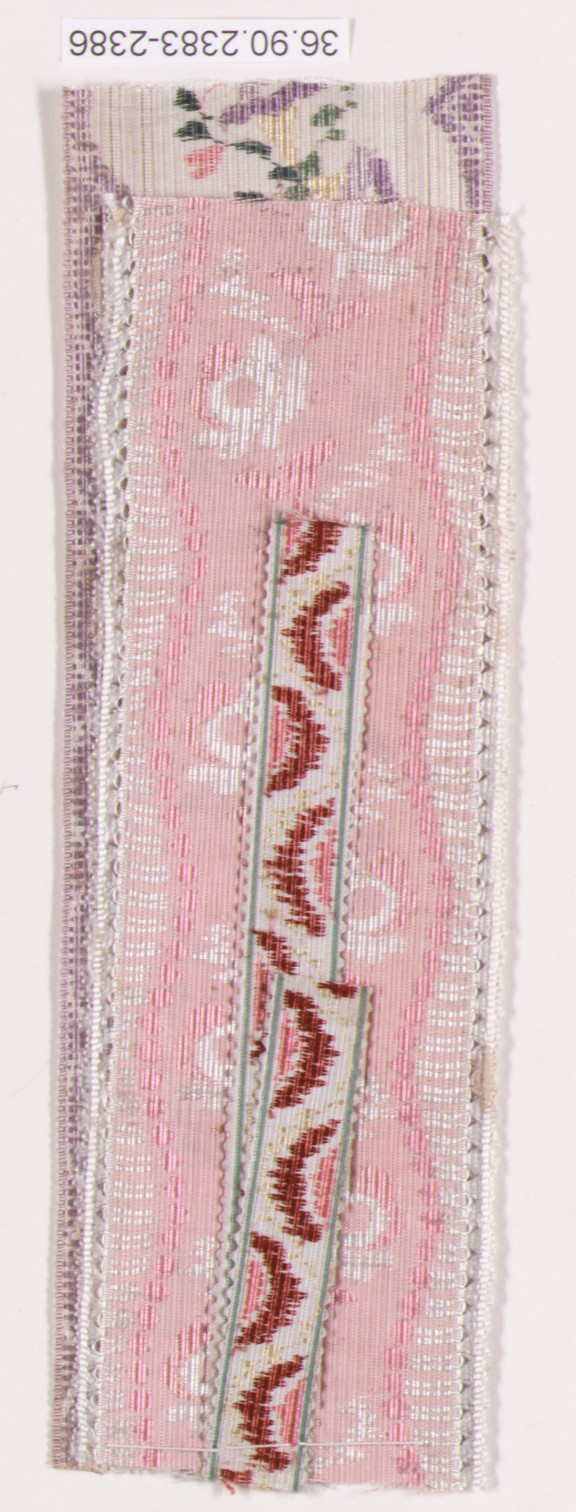
Heritage Analysis: The Ribbon in Ancient Civilization
Precious Material, Sacred Binding, and the Architecture of Status
Few artifacts in the material record of ancient civilization carry as much compressed symbolic authority as the ribbon. Long before it became a decorative flourish in modern fashion, the ribbon functioned as a technology of meaning — a narrow band of precious material that bound, marked, consecrated, and distinguished. At Katherine Fashion Lab, our strategic standalone research into the ribbon is not an exercise in nostalgia. It is an investigation into how one of humanity's oldest adornment forms can be re-engineered as a defining asset for the 2026 high-end luxury market.
The ribbon's origin is inseparable from the origin of value itself. In the ancient world, the finest ribbons were woven from precious materials: silk filaments, gold and silver thread, dyed linen, and embroidered wool. In Egypt, linen bands were wound around mummified bodies not merely for preservation but as a ritual architecture — each strip a layer of protection, identity, and passage. In Mesopotamia and the Indus Valley, dyed cords and woven bands signaled rank, tribal affiliation, and priestly office. In China, the silk ribbon emerged from the same sericulture that would later define the Silk Road, transforming a functional binding into a symbol of imperial refinement. The material was never incidental. The ribbon was precious because it was made from precious things, and it was powerful because it touched the body at moments of transition: birth, marriage, investiture, death.
Symbolic Power: The Ribbon as Instrument of Authority
The symbolic power of the ribbon lies in its dual nature. It is both a line and a loop — a linear form that encloses, fastens, and completes. In ancient iconography, this duality made the ribbon a natural emblem of sovereignty and legitimacy. The diadem, the fillet, the sacred cord: each was a ribbon in essence. Roman magistrates wore the fascia; priestly orders in multiple civilizations used colored bands to denote rank; military standards were adorned with ribbons that carried the honor of the legion. To receive a ribbon was to receive recognition. To wear one was to be publicly classified.
Crucially, the ribbon also functioned as a seal. Knots and bindings were legal instruments in the ancient world — a tied ribbon could authenticate a document, secure a tomb, or mark a boundary. This juridical dimension gave the ribbon an almost talismanic quality. It was not simply ornament; it was evidence. The knot was a signature, and the material was the witness.
Historical Adornment and Spiritual Meaning
Across ancient cultures, the ribbon carried explicit spiritual meaning. In Vedic ritual, sacred threads were tied during upanayana ceremonies, marking spiritual rebirth and the transmission of knowledge. In Greek and Roman religion, woolen fillets adorned statues of deities and sacrificial animals, creating a visual boundary between the sacred and the profane. In Egyptian funerary practice, ribbons of red and black were used to bind amulets and protect the dead in the afterlife. The ribbon was a threshold object: it connected the wearer to the divine, the ancestral, and the cosmic order.
This spiritual charge explains why the ribbon survived the collapse of empires. It migrated from temple to court, from ritual to fashion, without losing its aura. Medieval heraldry absorbed it into chivalric display; the Renaissance elevated it into a marker of courtly elegance; the eighteenth and nineteenth centuries turned it into a language of romantic sentiment and social code. The ribbon's endurance is not accidental. It is one of the few adornment forms that can be simultaneously intimate and public, humble and exalted, ephemeral and archival.
Strategic Implications for 2026 High-End Luxury
For Katherine Fashion Lab, the ribbon's heritage offers a precise strategic opportunity. The 2026 luxury consumer is not merely purchasing product; she is purchasing provenance, meaning, and a defensible narrative. The ribbon delivers all three. It is a material with deep civilizational roots, a symbolic system that can be translated into contemporary codes, and a tactile intimacy that aligns with the post-digital demand for the physical and the sensorial.
Our recommended strategy is threefold. First, material sovereignty: position the ribbon as a precious medium in its own right, using silk, precious-metal thread, and artisanal dyeing to create a signature ribbon vocabulary that competitors cannot easily replicate. Second, narrative layering: connect each collection to a specific ancient lineage — Egyptian binding, Vedic thread, Roman fillet — so that the ribbon becomes a carrier of researched heritage rather than generic decoration. Third, ritual re-enchantment: design ribbon-based pieces for moments of transition — gifting, milestone marking, ceremonial wear — restoring the ribbon's original function as an object of consecration and memory.
The ribbon is not a trend. It is a 5,000-year-old technology of meaning. In a luxury landscape saturated with novelty, the brands that will endure are those that can claim deep cultural ownership of a material and its symbolism. Katherine Fashion Lab has the opportunity to become the definitive modern custodian of the ribbon — not by imitating the past, but by translating its symbolic power into a 2026 language of precious material, spiritual resonance, and unmistakable heritage authority.