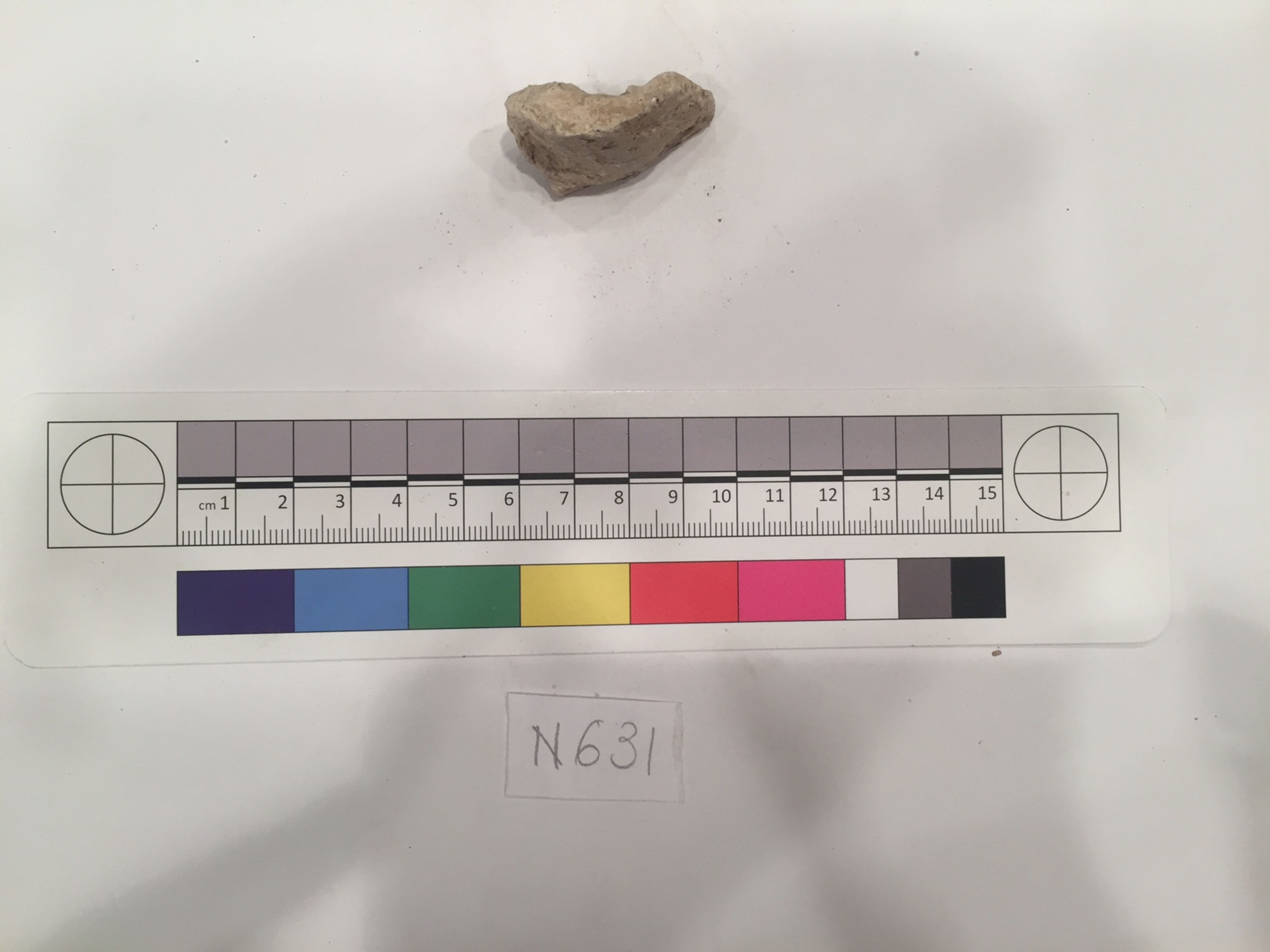
Heritage Asset Analysis: Carved Stucco Fragment from an Ancient Civilization
Executive Summary
This paper examines a carved stucco fragment originating from an ancient civilization, treating it as a strategic heritage asset rather than a mere archaeological artifact. Stucco—a lime- or gypsum-based plaster capable of being molded and carved into high-relief ornament—served as one of antiquity's most versatile media for encoding symbolic power, spiritual doctrine, and elite identity. For Katherine Fashion Lab, this fragment represents a proprietary wellspring of design language, narrative authority, and emotional resonance. The analysis below addresses four dimensions: symbolic power, historical adornment, spiritual meaning, and a 2026 luxury strategy built on verifiable provenance and controlled cultural interpretation.
Materiality and the Politics of Stucco
Stucco occupies a distinctive position in the hierarchy of ancient materials. Unlike marble, gold, or lapis, it was neither rare nor inherently precious; its value derived entirely from labor, skill, and applied meaning. Craftsmen mixed lime or gypsum with aggregate, applied it in layers, and carved the setting surface into relief before it fully cured—a technique demanding speed, precision, and master-level hand control. This material logic carries a powerful brand parallel: value created through human mastery rather than raw scarcity. For Katherine Fashion Lab, stucco legitimizes a luxury proposition rooted in craft intelligence, not gemstone flamboyance.
Stucco was also inherently architectural. It clothed walls, ceilings, and ritual facades—surfaces of communal encounter. Its fragmentary survival today is itself meaningful: the fragment is a survivor of erasure, carrying the aesthetic of endurance that luxury consumers increasingly seek in an era of disposable production.
Symbolic Power: Ornament as Authority
In the ancient world, carved stucco was rarely decorative in the modern sense. Relief programs communicated sovereignty, cosmic order, and dynastic legitimacy. Recurring motifs—interlaced geometry, stylized flora, guardian figures, and bordered registers—functioned as visual instruments of rule. A ruler who commissioned stucco reliefs asserted control over space, narrative, and memory. The medium's plasticity allowed regimes to iterate symbolism rapidly, adapting motifs to new political and religious contexts.
For a contemporary luxury house, this suggests a strategic principle: ornament as authored authority. Katherine Fashion Lab can translate stucco's register-based composition into garment architecture—engineered borders, layered relief embroidery, and sculpted surface textures that read as institutional confidence rather than passing trend.
Historical Adornment: From Wall to Body
Stucco's ornamental vocabulary migrated across media. The same scrolls, rosettes, and geometric lattices carved into walls reappeared in textiles, metalwork, and personal adornment, demonstrating antiquity's integrated design ecosystems. This cross-material translation is directly actionable. Stucco relief offers a three-dimensional template for surface design: raised cording, molded leather, cast resin hardware, and jacquard structures that simulate carved depth.
Critically, adornment in these civilizations was rarely individualistic. It signaled rank, role, and ritual participation. Katherine Fashion Lab should therefore position derived pieces as objects of belonging—limited editions tied to documented motifs, with each piece referencing a specific relief element and its archaeological context.
Spiritual Meaning: The Charged Surface
Stucco frequently served sacred space: temple interiors, tomb chambers, and votive installations. Its surfaces were believed to hold presence—divine, ancestral, or protective. Pigment remains on many fragments confirm that reliefs were originally polychrome, meaning the "white antiquity" familiar to museums is a historical accident of loss. This insight is strategically valuable: it authorizes color as restoration, not invention. A 2026 collection can legitimately reintroduce ochre, malachite green, and Egyptian blue as evidence-based heritage palettes.
Spiritually, the fragment also embodies fracture and continuity—a theme with strong resonance in contemporary luxury storytelling, where consumers seek meaning beyond utility.
2026 Luxury Strategy: Provenance, Provenance, Provenance
The 2026 high-end market rewards verifiable cultural depth. Katherine Fashion Lab should operationalize this fragment through four pillars:
1. Archival Codification. Establish a formal motif library derived from the fragment, with each element documented, named, and licensed internally. This creates defensible intellectual property and a repeatable design system.
2. Craft Narrative. Commission artisan partners in relief carving, mold-making, and hand-finishing. Publish process documentation—curing times, tool marks, layering—to substantiate the "mastery over material" claim.
3. Ethical Interpretation. Partner with archaeological institutions and source-culture advisors. Avoid sacred appropriation by distinguishing ornamental from liturgical motifs and crediting origin communities in all communications.
4. Scarcity Architecture. Release motif-linked capsules with numbered provenance certificates, mirroring the fragment's own survival narrative. Price at the top decile to signal custodianship, not consumption.
Conclusion
The carved stucco fragment is not a relic to be admired behind glass; it is a strategic design charter. It teaches that luxury can be built from mastery, meaning, and endurance rather than rarity alone. For Katherine Fashion Lab, the path to 2026 distinction lies in translating ancient relief into contemporary form—faithfully, transparently, and with the institutional confidence of a house that understands exactly where its symbols come from.