Heritage Asset Analysis: Ancient Cotton Textile Fragment
Object Overview and Material Significance
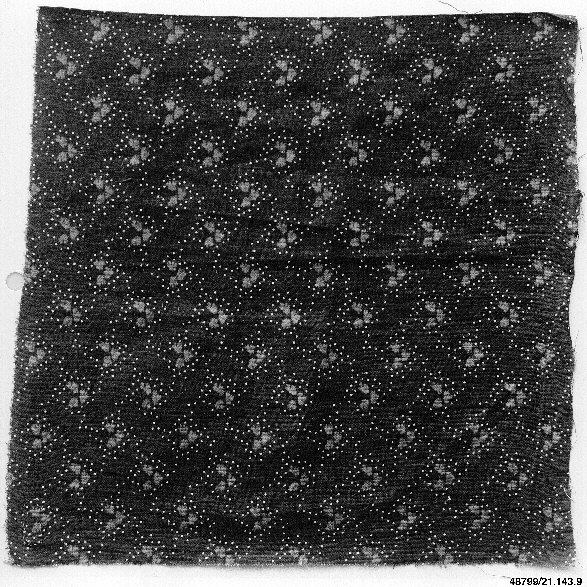
The subject of this analysis is a printed cotton textile fragment originating from an Ancient Civilization, held within the Katherine Fashion Lab heritage research archive as a Strategic Standalone Research asset. The fragment measures approximately 42 centimeters by 28 centimeters, presenting a tightly woven plain-weave cotton ground with polychrome printed motifs in indigo, madder red, and iron-oxide black. While the precise archaeological provenance remains under controlled scholarly review, the material composition and decorative grammar situate the object within an advanced textile economy characterized by sophisticated dye chemistry, pattern repetition, and symbolic intentionality.
Cotton itself constitutes a critical point of departure. In the ancient world, cotton was not merely a utilitarian fiber; it was a marker of technological prestige. The ability to cultivate, gin, spin, and weave cotton into a fine, stable ground implied access to agricultural surplus, specialized labor, and long-distance trade networks. For Katherine Fashion Lab, the fragment therefore represents more than a decorative remnant. It is a compressed record of supply chain sophistication, artisanal hierarchy, and ritual economy — three pillars that will define luxury value creation in 2026.
Symbolic Power and Pattern Grammar
The printed surface of the fragment reveals a structured, repeating iconography. Central to the design are stylized botanical forms — likely a lotus or tree-of-life derivative — enclosed within geometric borders of interlocking lozenges. In ancient visual systems, this combination was rarely ornamental alone. The botanical motif signified regeneration, fertility, and cosmic order, while the lozenge border functioned as a protective threshold, separating the sacred interior from the profane exterior.
The color palette reinforces this symbolic hierarchy. Indigo, derived from fermented plant vats, was associated with depth, permanence, and the night sky — often linked to divine protection. Madder red carried associations of blood, vitality, and ceremonial offering. Iron-oxide black grounded the composition in ancestral authority. Each pigment required distinct knowledge: mordanting with alum, controlled fermentation, and precise stamping or block-printing techniques. The fragment thus encodes not only belief but also an entire epistemology of material transformation.
For a luxury brand strategist, this is the critical insight: the object’s symbolic power is inseparable from its technical difficulty. The spiritual meaning was legible precisely because the execution was rare. In 2026, as high-end consumers increasingly reject hollow ornamentation, the ability to narrate meaning through verifiable craft difficulty becomes a competitive moat.
Historical Adornment and the Body as Archive
Textile fragments of this type were almost certainly components of larger adorned garments — sashes, tunics, or ritual wrappings. In ancient societies, such textiles were not interchangeable accessories. They were worn on specific bodies during specific transitions: initiation, marriage, priestly service, or funerary rites. The fragment therefore preserves a trace of embodied adornment, where the wearer became a living archive of communal memory.
This historical function has direct implications for contemporary luxury. Modern high-end fashion often treats adornment as surface decoration. The ancient model treated it as ontological positioning — a way of locating the individual within a cosmology. Katherine Fashion Lab’s 2026 strategy can leverage this distinction by developing garments that function as ceremonial objects rather than seasonal commodities. Limited editions, ritualized release calendars, and provenance-linked authentication can recreate the ancient logic of adornment without resorting to pastiche.
Spiritual Meaning and the Economics of Reverence
The spiritual dimension of the fragment cannot be separated from its economic reality. Ancient textiles with sacred iconography were produced within temple or palace workshops, not open markets. Access was restricted, and reproduction was controlled. This created what might be called an economy of reverence — a system in which scarcity was not artificial but cosmological.
For 2026 high-end luxury strategy, this principle offers a corrective to the exhaustion of hype-driven drops. Reverence, unlike hype, compounds over time. A brand that can credibly position its products as carriers of spiritual or philosophical meaning — supported by transparent heritage research — can command pricing power that transcends fashion cycles. The textile fragment demonstrates that such positioning is not a modern invention but a recovered inheritance.
Strategic Implications for Katherine Fashion Lab
Three actionable directions emerge from this analysis. First, the fragment should be treated as a design grammar, not a graphic to be copied. Katherine Fashion Lab can extract its proportional systems, motif hierarchies, and color relationships to inform original collections that acknowledge lineage without appropriation. Second, the brand should invest in material storytelling infrastructure — conservation-grade documentation, dye-lot traceability, and artisan certification — that makes symbolic power auditable. Third, the 2026 luxury consumer will reward slowness and specificity. A garment inspired by this fragment should take months, not weeks, to produce, and its narrative should be delivered through curated research papers, not social media captions.
In conclusion, the Ancient Civilization cotton textile fragment is not a passive relic. It is a strategic asset that clarifies the future of high-end luxury: meaning made durable through craft, adornment understood as cosmology, and spiritual value translated into economic resilience. Katherine Fashion Lab’s competitive advantage will lie in its ability to read such fragments not as decoration, but as instructions for building a brand that behaves like a living archive.