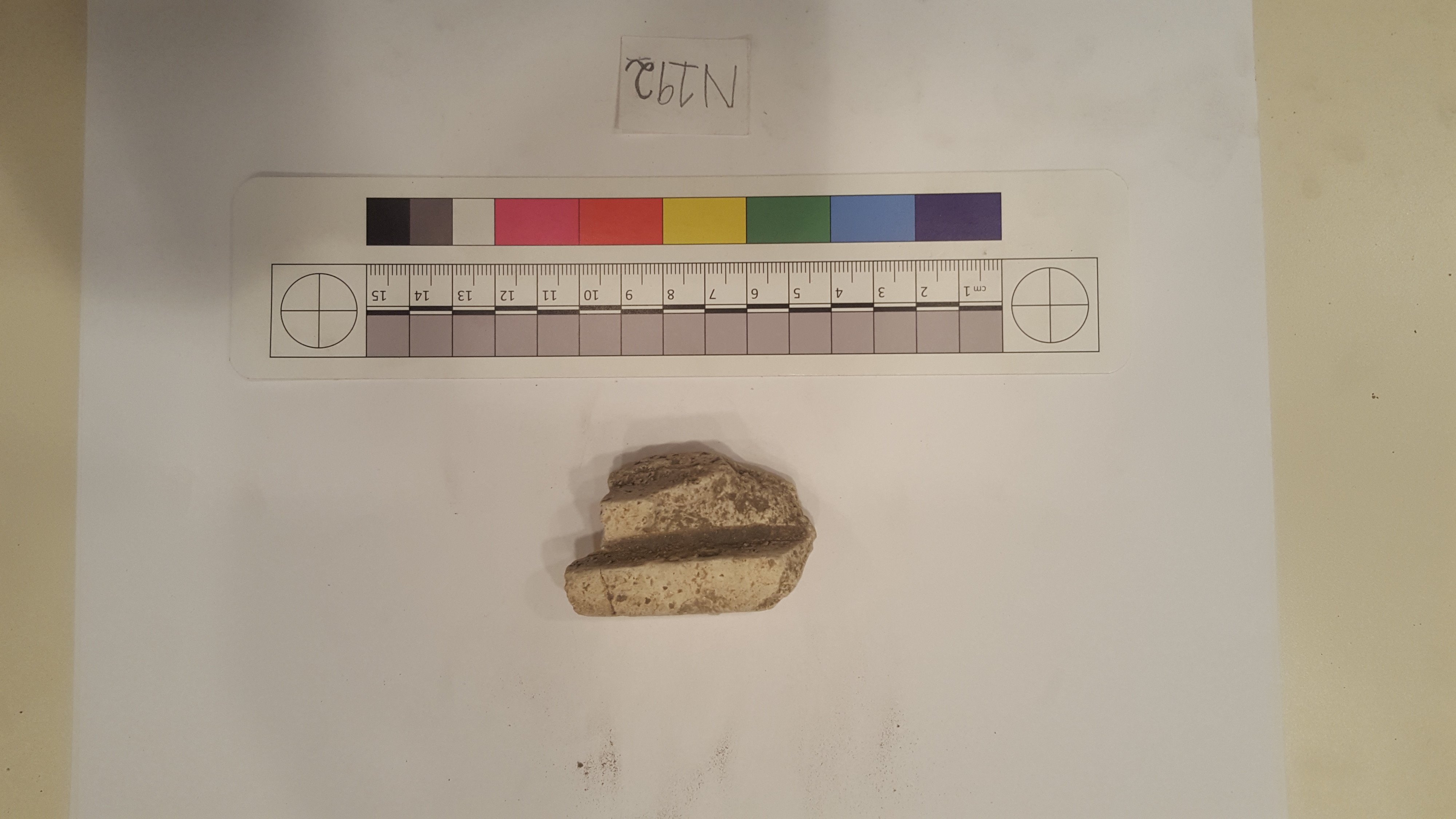
The Stucco Fragment: An Architectural Palimpsest in Couture
Within the hallowed archives of global heritage, a singular artifact commands our analytical focus: a carved stucco fragment. Decontextualized from its original architectural setting, this standalone study presents not as a mere ruin, but as a profound treatise on texture, narrative, and structural integrity. For Katherine Fashion Lab, such an object is far more than historical debris; it is a foundational codex. It whispers secrets of surface and depth, of ornamentation born from mass, and of a beauty that is inherently, powerfully architectonic. This analysis deconstructs the fragment’s inherent principles to articulate a couture philosophy where the garment is conceived as a dynamic, wearable edifice.
Deconstructing the Material Dialectic: Softness from Solidity
The primary dialectic of stucco is its transformative nature: a malleable, almost paste-like substance that cures into a permanent, stone-like solid. This metamorphosis from pliable to fixed is a direct analog to the couture process itself, where fluid textiles are structured into definitive, enduring form. The fragment’s surface, however, reveals the true complexity. Carved post-solidification, it demonstrates that within apparent rigidity lies the potential for intricate detail. This informs a key Lab methodology: the pursuit of structural softness. Imagine gowns where the architecture is not imposed via rigid boning, but engineered through innovative fabric laminates, heat-set pleats frozen in cascading falls, or jacquards woven with integral, memory-retaining volume. The body becomes the armature, and the textile, our modern stucco, is molded and "carved" upon it.
Furthermore, the fragment’s materiality speaks to tactile authenticity. Stucco possesses a granular, matte, and imperfect hand-feel. In an era of hyper-synthetic gloss, this champions a return to profoundly tactile luxury. This translates to couture through the celebration of natural, textural fibers—raw silks, matte ottoman, lofty woolens—and techniques that enhance their inherent character: deliberate slubbing, raised couching, or three-dimensional embroidery that replicates the carved relief, not with sequins, but with layers of gazar, organza, and thread, building a topography as tangible as the artifact itself.
The Grammar of Ornament: Narrative in the Negative Space
As a standalone study, the fragment’s carving is partial, its narrative interrupted. This incompleteness is its genius. It forces the eye to engage in forensic appreciation, to trace the trajectory of a vine that disappears off the edge, to imagine the full arabesque from a solitary curve. In couture, this principle dismantles the expectation of total, obvious ornamentation. It advocates for strategic, fragmentary embellishment that directs the gaze and ignites the imagination. A single, breathtakingly intricate sleeve might serve as our "fragment," while the rest of the garment remains a serene, monolithic field. Embroidery may cluster at a hem or spill asymmetrically from a seam, suggesting a story that continues beyond the garment’s confines.
The very act of carving—removing material to create pattern—is also critically instructive. It is ornamentation as subtraction, not addition. This leads to techniques like laser-cutting, precise fabric burnout, or open-work knitting that create pattern through void. A gown could feature a bodice seemingly "excavated" with a geometric motif, revealing the skin or an underlay of contrasting hue beneath, a direct translation of the fragment’s negative space. The design narrative is told not by what is applied, but by what is revealed through removal, creating a garment of profound lightness and intricacy.
Architectural Context: The Garment as Dynamic Façade
Originally, this stucco fragment was part of a larger façade, contributing to a holistic aesthetic while enduring environmental dialogue—casting shadows, weathering, changing with the light. A couture garment is similarly a façade for the body, engaged in a constant kinetic and environmental dialogue. The Lab interprets this as the imperative for kinetic architecture. The carved depths of the fragment would create a play of shadow and highlight throughout the day. In fabric, this is achieved through extreme textural juxtapositions, deep pleating that opens with movement, or folds that create self-shadowing, ensuring the garment is a dynamic sculpture in flux, never appearing the same from one moment to the next.
Finally, the fragment’s "global heritage" origin is pivotal. Stucco work spans from Islamic palaces to Italian Renaissance chapels, Baroque monasteries to Mayan temples. This universal language of shaped plaster suggests a couture vocabulary that is culturally syncretic yet historically abstracted. We do not literally reproduce Moorish motifs or Baroque scrolls. Instead, we absorb the underlying principles: the rhythmic geometry, the organic flow of vegetal forms, the harmony between dense ornament and calm field. A single garment might conceptually reconcile the stark, geometric incisions of ancient stucco with the fluid, high-relief swirls of the Rococo, creating a timeless, placeless elegance that speaks to a contemporary global sensibility.
Conclusion: The Couture Edifice
The carved stucco fragment, in its silent, fractured majesty, provides a complete design manifesto. It teaches us to build softness with conviction, to carve narrative through absence, and to treat the garment as a living, breathing architectural entity. For Katherine Fashion Lab, this artifact validates a path where luxury is defined not by ostentation, but by intellectual materiality and profound structural poetry. The resulting couture is a wearable palimpsest—a layered, textured, and deeply considered edifice that, like its muse, finds sublime beauty in the interplay of strength and delicacy, history and innovation, the fragment and the whole. It is clothing not as mere covering, but as consecrated space.