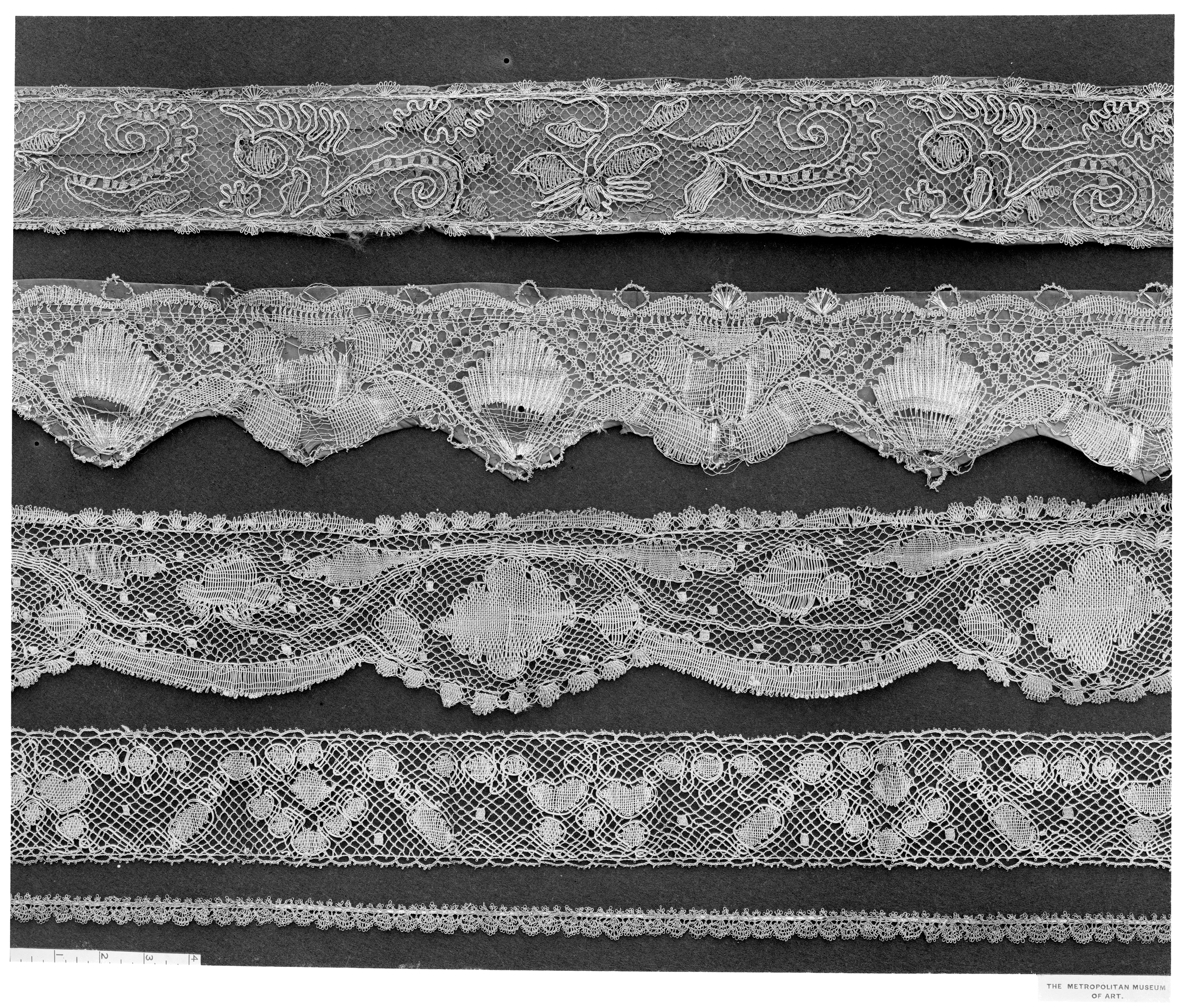
Heritage Analysis: Fragment — Bobbin Lace as Artifact of Ancient Symbolic Power
Introduction: The Strategic Premise of Fragment
Katherine Fashion Lab's Strategic Standalone Research initiative examines Fragment, a bobbin lace artifact attributed to an Ancient Civilization, as a case study in the translation of heritage craft into 2026 luxury value creation. The object operates on two registers simultaneously: as a material witness to pre-industrial textile mastery, and as a semiotic system encoding spiritual, social, and cosmological meaning. For a luxury house operating in an era of provenance scrutiny and experiential consumption, Fragment is not merely an antique — it is a strategic asset whose symbolic capital can be structured, narrated, and monetized without dilution.
Materiality and Technique: Bobbin Lace as Civilizational Signature
Bobbin lace is a plaited textile constructed through the interlacing of multiple thread pairs wound on bobbins, manipulated over a pinned pattern. Unlike needle lace, which builds stitch upon stitch, bobbin lace is architectural: its structure emerges from tension, counter-tension, and the disciplined choreography of the maker's hands. In the context of an Ancient Civilization, this technique represents a threshold technology — the moment when thread ceased to be purely functional and became a medium of recorded meaning.
The fragmentary condition of the artifact is itself significant. Damage, loss, and erosion are not defects but evidentiary layers. Each broken thread line documents the passage of time, the fragility of the material, and the survival of the symbolic order it once served. In luxury terms, this patina of incompleteness generates scarcity and authenticity simultaneously — two pillars of high-end positioning.
Symbolic Power: Knots, Grids, and Cosmological Order
In ancient textile systems, lace structures frequently functioned as cosmological diagrams. The grid of pins and the crossing of threads encoded order emerging from chaos — a visual theology of creation. Repetitive motifs such as diamonds, stars, and interlocking loops were not decorative accidents; they were mnemonic devices for spiritual instruction and protective talismans.
The Fragment preserves a partial lattice in which negative space is as legible as the thread itself. This dialectic of presence and absence mirrors the ancient conception of the veil: the boundary between the mortal and the divine. Wearing such lace was an act of mediation — the body became a site where earthly and celestial orders intersected. For Katherine Fashion Lab, this reading elevates the artifact from craft object to ritual instrument, a distinction that commands premium positioning in the 2026 luxury narrative landscape.
Historical Adornment: Lace as Social and Sacred Currency
Across ancient civilizations, lace-like textiles occupied a dual economy. In sacred contexts, they dressed altars, priests, and cult statues, signaling purity and access to the numinous. In secular contexts, they marked rank, marital status, and lineage. The labor intensity of bobbin lace — hundreds of hours for a few centimeters — made it a store of value comparable to precious metal.
The Fragment's survival suggests it belonged to an elite or sacerdotal context. Its fineness implies specialization: a guild, a temple workshop, or a court atelier. This provenance is strategically critical. In the 2026 luxury market, consumers do not purchase anonymous heritage; they purchase traceable custodianship. The Fragment offers a documented chain of symbolic authority — from ancient ritual use to modern archival preservation.
Spiritual Meaning: The Thread as Soul-Line
Many ancient cultures regarded thread as a metaphor for fate, memory, and the soul. Bobbin lace, with its multiple interwoven strands, externalizes this belief: individual threads (lives) are bound into a collective pattern (cosmos) through deliberate, skilled intervention. The maker becomes a demiurge, and the lace a tangible prayer.
The Fragment's partial state also resonates with themes of rupture and restoration. In spiritual terms, the broken pattern invites completion — an act of devotion by the restorer or wearer. Katherine Fashion Lab can operationalize this through co-creation narratives: limited editions that incorporate archival lace motifs into contemporary garments, allowing the client to "complete" the fragment through personal commission.
2026 Luxury Strategy: From Artifact to Asset Class
By 2026, high-end luxury will be defined less by logo visibility and more by epistemic authority — demonstrable mastery of heritage codes, materials, and meaning. The Fragment supports a four-pillar strategy:
1. Provenance-Led Scarcity: Position the Fragment as a singular reference object. Digital twins, archival documentation, and museum-grade authentication create a defensible moat against imitation.
2. Symbolic Reinterpretation: Translate lace motifs into ready-to-wear and haute couture, preserving the grid-and-void logic while adapting scale and drape. Each collection becomes an exegesis of the original artifact.
3. Ritualized Client Experience: Offer private viewings where clients handle replica fragments under gloved conditions, mirroring temple access. The purchase becomes an initiation, not a transaction.
4. Intergenerational Value Narrative: Frame the Fragment as a bridge across centuries. Marketing emphasizes stewardship: the client is not buying a product but joining a lineage of custodians.
Conclusion: The Fragment as Strategic Totem
For Katherine Fashion Lab, Fragment is more than an ancient bobbin lace remnant. It is a compressed archive of symbolic power, spiritual technology, and artisanal excellence. Its fragmentary condition enhances rather than diminishes its authority, inviting narrative completion and client participation. In the 2026 luxury landscape — where meaning, provenance, and ritual experience determine value — the Fragment functions as a strategic totem: a small, broken, beautiful object capable of anchoring an entire heritage-led brand architecture.