Katherine Fashion Lab — Heritage Research Series
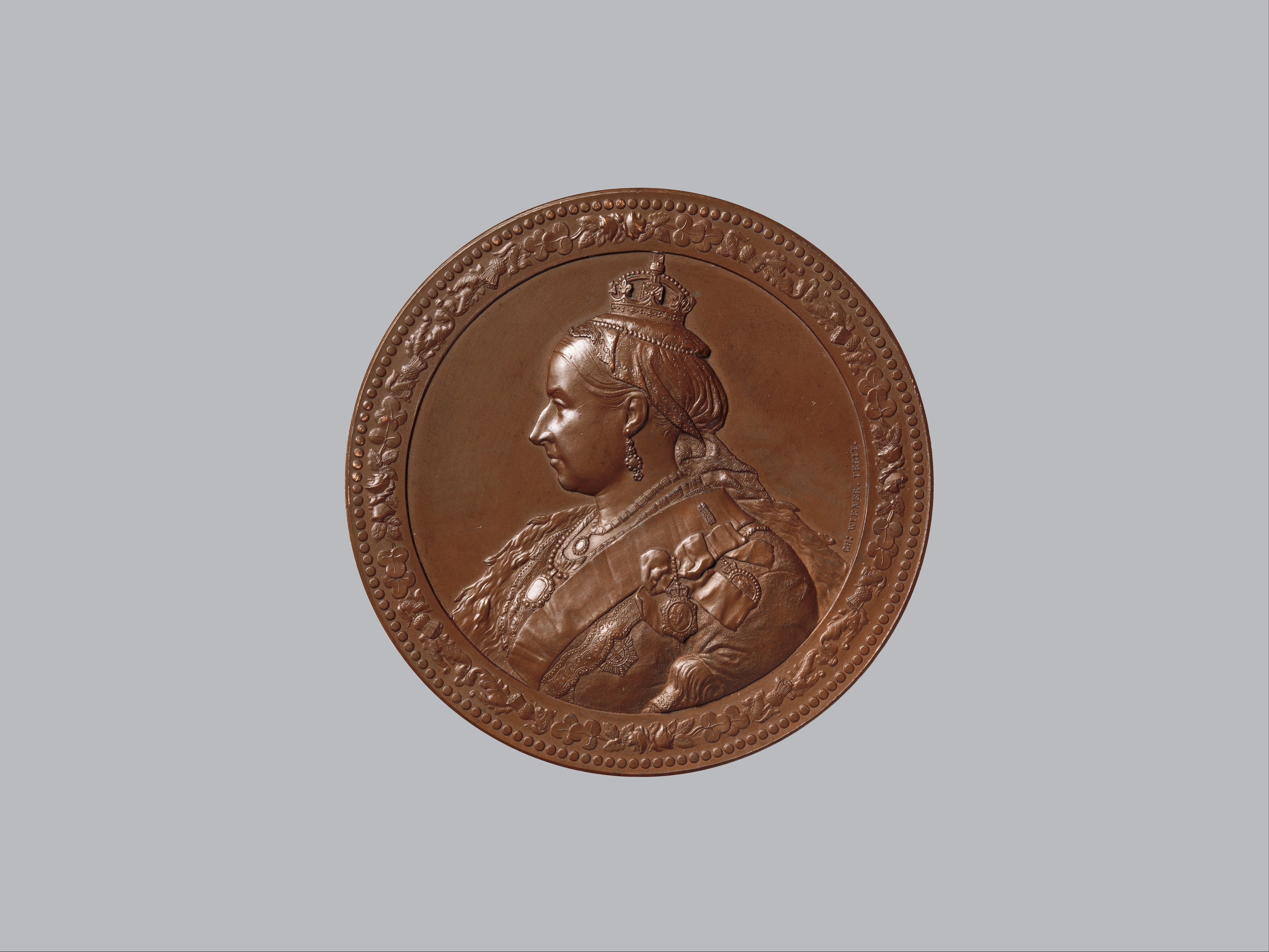
Object of Study: Commemorative Bronze Medal, Opening of the Royal Forest of Epping to the Public, May 1882
Classification: Struck bronze medallion, commemorative issue. Cultural horizon: Ancient forest tradition refracted through Victorian imperial administration. Strategic designation: Standalone heritage asset — high-value symbolic reserve for 2026 luxury positioning.
I. Material and Manufacture: The Authority of Struck Bronze
The Epping medal belongs to the great nineteenth-century tradition of struck commemorative bronze — a medium that carried unique institutional weight. Unlike cast sculpture, which tolerates idiosyncrasy, a struck medal emerges from a die: an engraved matrix that fixes the design with mechanical finality. The die is the true artifact; the medal is its repeated utterance. This distinction matters for heritage strategy. A struck medal is inherently serial, reproducible, and official — qualities that align it with currency, seals, and state authority rather than with private ornament.
Bronze itself deepens the argument. The alloy of copper and tin has served as the material of civic memory since antiquity: Roman sestertii, Renaissance portrait medals, Napoleonic commemoratives. Its warm, dark patina suggests endurance rather than brilliance — a metal that records time instead of resisting it. For Katherine Fashion Lab, the material vocabulary here is directly transferable: bronze tones, oxidized surfaces, and die-struck precision constitute a credible foundation for a heritage collection that speaks of permanence rather than novelty.
II. The Royal Forest of Epping: Ancient Landscape, Modern Ritual
Epping Forest is not a park. It is a residual fragment of the great post-glacial woodland that once covered much of southern Britain — a landscape referenced in medieval charters, Tudor hunting law, and the folklore of highwaymen and royal deer. By the nineteenth century, enclosure and urban expansion threatened its extinction. The Epping Forest Act of 1878, followed by the formal opening to the public in May 1882, converted a royal hunting preserve into a civic amenity. The medal commemorates that transfer.
The symbolic structure of the event is layered and, for our purposes, exceptionally rich. A forest held by the Crown becomes a forest held in trust for the people. The ritual of opening — a public ceremony, almost certainly involving civic dignitaries and the Corporation of London — reframes the forest as a shared inheritance. The medal does not merely record a date; it sacralizes a legal and moral transition. In heritage terms, this is a "threshold object": an artifact that marks the boundary between two regimes of ownership and meaning.
Forest symbolism carries its own deep grammar. Across ancient cultures, the forest is the site of initiation, exile, refuge, and revelation — the space outside the city where law is suspended and identity is tested. The Victorian opening of Epping Forest domesticated that archetype, converting the wildwood into a managed public good. The medal thus holds a double charge: ancient forest spirituality and modern civic rationalism, compressed into a single struck surface.
III. Symbolic Power and Historical Adornment
Commemorative medals of this period typically combine several visual registers. The obverse often bears a portrait or heraldic device; the reverse depicts the subject of commemoration — in this case, almost certainly a view of the forest, a civic figure, or an allegorical female figure representing London or Liberty. The iconography draws on classical personification, a convention inherited from Roman coinage and revived throughout the Renaissance and Enlightenment.
For a luxury house, the relevant insight is that adornment in this tradition is never merely decorative. Every element — oak wreath, acorn, deer, civic shield — functions as a compressed argument. The oak, in particular, is a pan-European symbol of sovereignty, endurance, and ancestral right; the acorn signals potential and renewal. A 2026 collection drawing on this vocabulary can deploy oak and acorn motifs not as rustic clichés but as precise heraldic statements: endurance, legitimacy, and the patient accumulation of value.
The medal also embodies a specific relationship between the wearer and the state. Commemorative medals were worn on ribbons at ceremonies, displayed in cabinets, and inherited within families. They were adornments of citizenship — small, portable claims to participation in public history. This is a model of luxury that predates brand logos: identity conveyed through shared symbolic reference rather than conspicuous marking.
IV. Spiritual Meaning: The Forest as Sacred Threshold
Beneath the civic surface of the 1882 event lies an older spiritual structure. Forests in ancient European religion were temples without walls: groves dedicated to deities, sites of oath-taking, places where the boundary between human and divine was thin. The Roman historian Tacitus describes Germanic groves as spaces of reverence; Celtic tradition associates the oak and mistletoe with priestly ritual. The Victorian public opening did not erase this layer; it translated it into secular terms. The forest became a place of public restoration — a "green sanctuary" for the industrial city.
For heritage storytelling, this spiritual residue is the most valuable element. It allows a luxury brand to speak of nature not as scenery but as sanctuary — a space of renewal with genuine historical depth. The Epping medal becomes a talisman of that idea: bronze as the material of vows, forest as the site of renewal, and the act of opening as a ritual of collective access.
V. Strategic Application: 2026 High-End Luxury Positioning
Three strategic directions emerge from this analysis.
First, the "threshold object" concept. Katherine Fashion Lab can build a capsule collection around the idea of ceremonial transition — pieces that mark a passage rather than a season. Bronze-toned hardware, die-struck emblems, and oak-and-acorn motifs provide a coherent visual language. The narrative is not nostalgia; it is the deliberate use of historical ritual to lend weight to contemporary objects.
Second, the "civic heirloom" positioning. The Epping medal was designed to be kept, displayed, and inherited. A 2026 collection can adopt the same posture: limited, numbered, accompanied by documentation, and intended for transmission rather than disposal. This directly counters the logic of fast luxury and aligns with the growing market for provenance-rich, long-horizon objects.
Third, the "sanctuary" narrative. The forest as sacred space offers a powerful counterpoint to urban acceleration. A heritage line framed around restoration, guardianship, and the ancient authority of the grove can address the premium consumer's search for meaning without resorting to vague spirituality. The Epping medal supplies the historical anchor: a real object, a real place, a real transfer of stewardship.
In sum, the 1882 Epping Forest medal is not a minor commemorative. It is a compact statement of ancient landscape, civic ritual, and material authority — precisely the triad that defines credible heritage luxury. Katherine Fashion Lab should treat it as a primary source for a 2026 collection that speaks of endurance, access, and the quiet power of bronze.