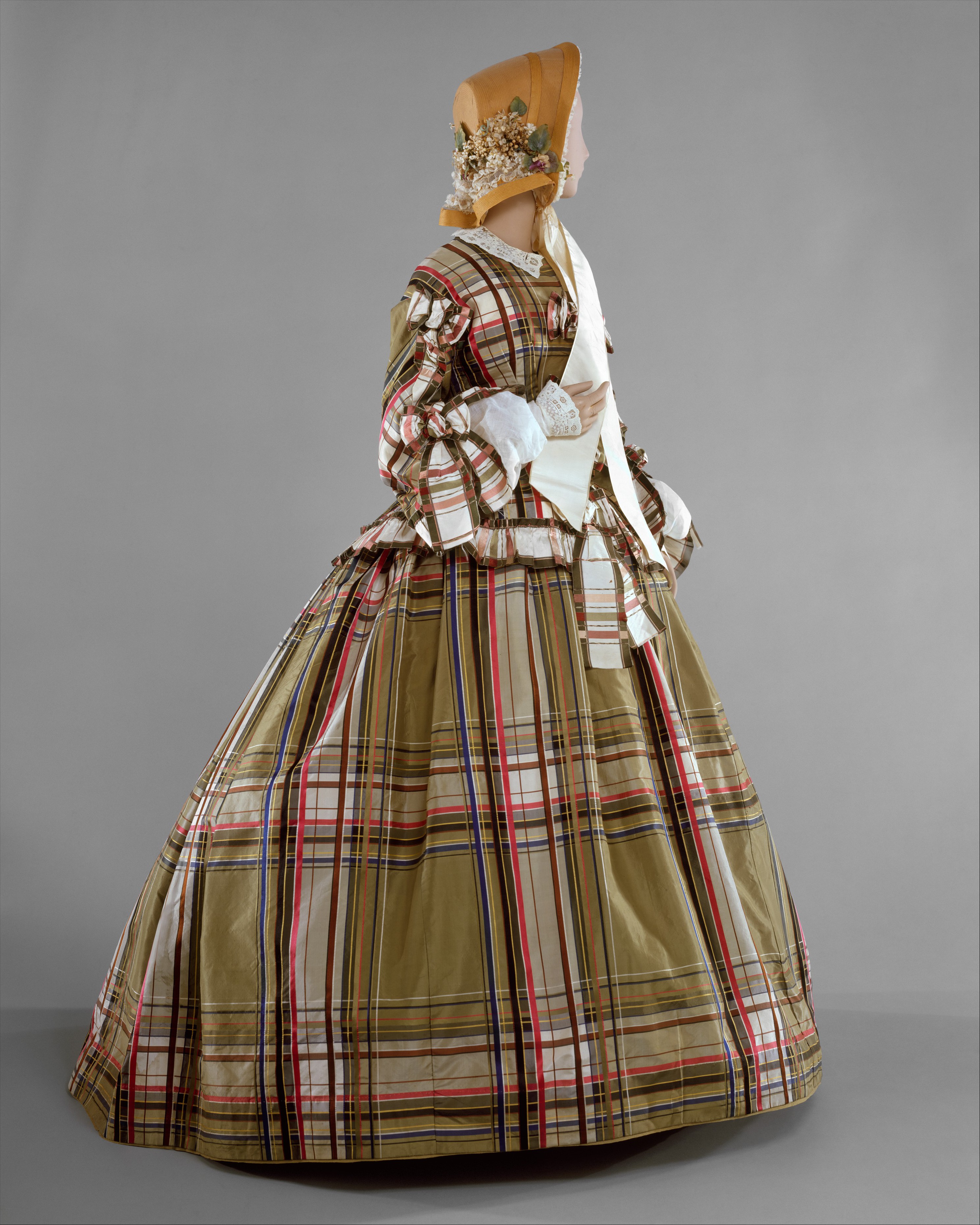
The Silk Dress as Diplomatic Artifact: A European Couture Analysis
The European silk dress occupies a singular position in the genealogy of couture—not merely as an object of adornment, but as a vessel of cross-cultural negotiation. Within the Katherine Fashion Lab archive, this garment shares a documented DNA with a broader corpus of sixteenth- and seventeenth-century material culture, a period in which objects and paintings functioned as silent witnesses to cultural collision and aesthetic fusion. To analyze such a dress today is to confront a layered text: fiber, weave, silhouette, and the geopolitical currents that carried silk from Eastern looms to European courts.
Materiality and the Silk Question
Silk is never a neutral material. Its production demands a biological infrastructure—mulberry cultivation, sericulture, and reeling—that historically concentrated in China, Persia, and the Byzantine Empire before migrating into Italian and French ateliers. When a European couture house works in silk, it inherits this entire chain of transmission. The fabric's luster, drape, and tensile memory are not incidental properties; they are the physical record of a trade route.
Sericulture as soft power: By the sixteenth century, the cultivation of silkworms in Italy and later France represented an explicit attempt to domesticate an Eastern monopoly. A silk dress produced in Europe therefore embodies a paradox—it is simultaneously a symbol of cosmopolitan refinement and an artifact of import substitution. The thread itself tells a story of desire, imitation, and eventual mastery.
In the context of the archive's shared DNA, the silk dress aligns with a broader curatorial thesis: that objects and paintings from the sixteenth and seventeenth centuries functioned as diplomatic instruments. A portrait of a noblewoman in a silk gown was not merely portraiture; it was a declaration of access to global supply chains. The dress, like the painting, performed cultural capital.
Silhouette and the Architecture of the Body
European couture of the early modern period did not simply clothe the body—it restructured it. The silk dress, with its characteristic weight and fluidity, demanded a scaffolding of stays, farthingales, and later panniers. These understructures transformed silk from a passive fabric into an architectural medium.
The corseted torso and the voluminous skirt created a tripartite division of the female form that persisted for centuries. The silk surface, often brocaded or embroidered, served as the visible skin of this internal architecture. In the Katherine Fashion Lab's comparative framework, this resonates with contemporaneous developments in painting: the use of chiaroscuro to model volume, the deployment of drapery to suggest movement and moral character.
Consider the technical demands. A single gown could require twenty to thirty meters of silk, depending on the width of the loom and the complexity of the cut. The fabric was frequently cut on the bias to achieve the desired cling and flare—a technique that anticipates modern couture's obsession with grainline and drape. The seamstress or tailor was, in effect, a structural engineer working in a medium that recorded every tension and release.
Cross-Cultural Semiotics: From Ottoman Caftan to French Court
The shared DNA referenced in the archive extends beyond material to motif. Sixteenth- and seventeenth-century European silk textiles frequently incorporated patterns derived from Ottoman, Persian, and Indian sources: the carnation, the tulip, the cloud band, the serrated leaf. These motifs traveled along the same routes as the raw silk, absorbed and recontextualized by European weavers.
Appropriation or exchange? The distinction is historically unstable. A French silk brocade featuring a "Turkish" carnation was neither purely European nor purely Ottoman; it was a hybrid object, produced at the intersection of commercial ambition and aesthetic curiosity. The dress made from such fabric participated in this hybridity, signaling the wearer's participation in a global visual economy.
This is where the Katherine Fashion Lab's methodology proves essential. By treating the dress not as a standalone masterpiece but as a node within a network of objects and paintings, we can trace the movement of forms across geographies. The same motif that appears on a Venetian silk gown may appear in a Persian miniature or a Mughal textile—not as a copy, but as a translation.
Conservation, Value, and the Couture Market
In the contemporary market, European silk dresses from the sixteenth and seventeenth centuries are rare, fragile, and astronomically valued. Their scarcity is partly a function of survival: silk degrades under light, moisture, and handling. What remains is often fragmentary—a bodice, a sleeve, a panel of brocade preserved in a museum vault.
Yet the couture market's fascination with these objects is not merely antiquarian. It reflects a continued investment in the idea of European craftsmanship as a pinnacle of refinement. The silk dress functions as a brand ambassador for a narrative of heritage—one that conveniently elides the material's non-European origins.
A rigorous analysis must resist this elision. The Katherine Fashion Lab's commitment to shared DNA is, at its core, an ethical stance: to acknowledge that every European silk dress is a palimpsest, bearing the traces of mulberry groves in Jiangnan, reeling sheds in Bursa, and weaving workshops in Lyon. To study the dress is to study the world.
Conclusion: The Dress as Archive
The European silk dress is not a static object. It is a dynamic archive of material, technique, and meaning. Its fibers record agricultural and commercial history; its cut records bodily ideals and structural ingenuity; its motifs record cross-cultural encounter. Within the Katherine Fashion Lab, such a garment is analyzed not as a isolated treasure but as a participant in a global conversation—one that began centuries before the term "globalization" was coined.
For the curator, the collector, and the historian alike, the silk dress demands a double vision: appreciation for its formal beauty and critical attention to the networks that produced it. In that tension lies its enduring power—and its relevance to contemporary couture, which continues to negotiate the same questions of origin, authenticity, and exchange.