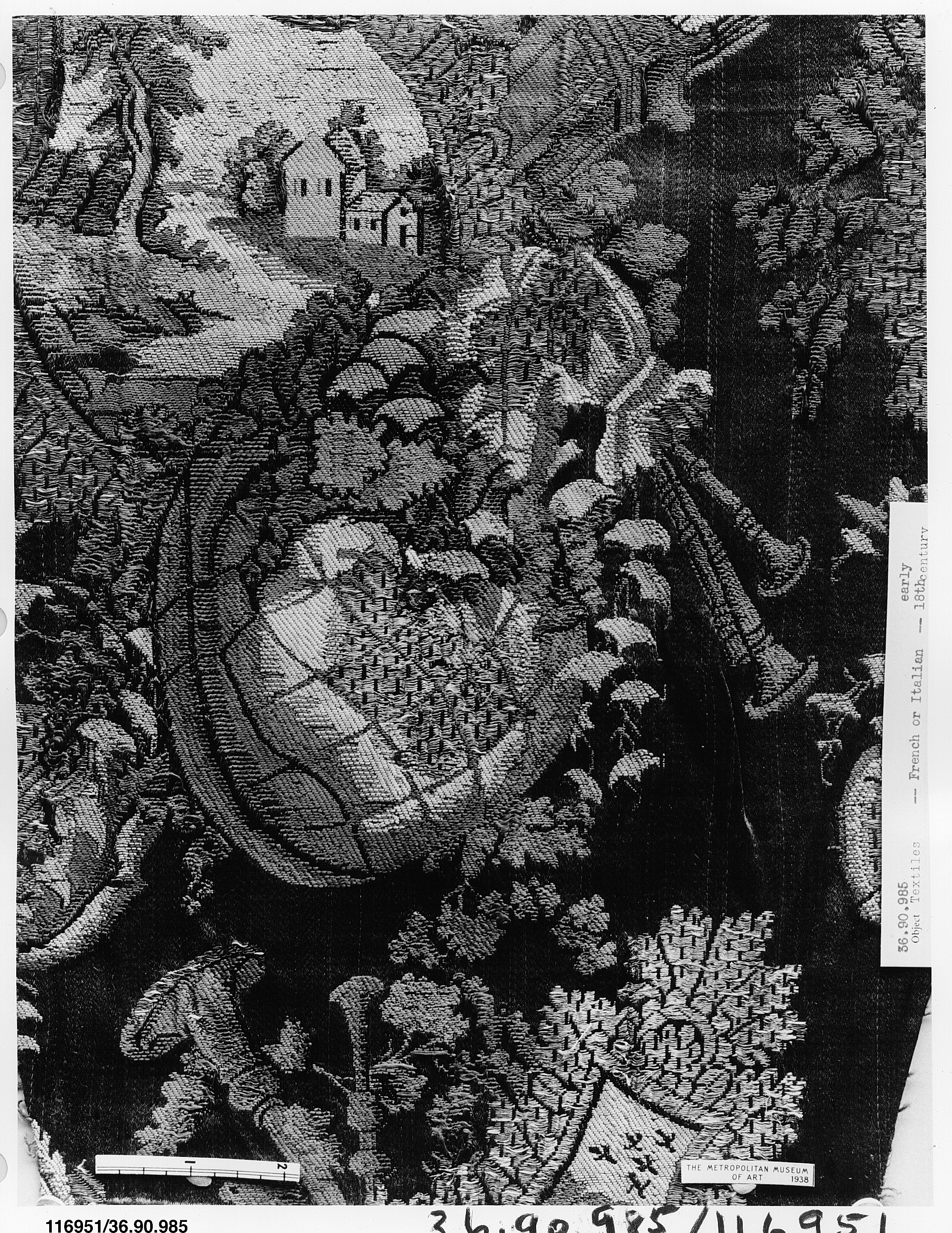
Heritage Analysis: The Silk-and-Metal-Thread Object as a Strategic Luxury Asset
This analysis examines an adornment object originating within an ancient civilization, executed in silk and metal thread, as a case study in heritage-driven value creation. The piece is treated here not as an artifact of nostalgia but as a strategic asset whose symbolic architecture can inform Katherine Fashion Lab's positioning for 2026 and beyond. The central argument is that the object's authority rests on a tripartite foundation — symbolic power, historical adornment practice, and spiritual meaning — and that each of these layers maps directly onto a distinct pillar of contemporary high-end luxury strategy: narrative scarcity, artisanal provenance, and transcendent value.
Materiality and the Logic of Consecrated Craft
The combination of silk and metal thread is, in itself, a statement of civilizational hierarchy. Silk — biologically derived, protein-based, and extraordinarily labor-intensive to produce — has historically functioned as a marker of elite access, its sheen and drape distinguishing it from coarser fibers across multiple ancient economies. Metal thread, by contrast, introduces a different order of value: permanence, luminosity, and association with the sacred and the sovereign. Where silk communicates refinement, metal thread communicates authority. The two together produce a textile that is simultaneously soft and imperious — a material contradiction that mirrors the dual identity of the luxury consumer, who seeks both intimacy and distinction.
From a heritage strategy perspective, this material duality is not incidental. It is a proprietary asset. Few contemporary maisons can claim legitimate historical fluency in both sericulture and metallic embroidery. The object therefore constitutes a defensible claim to a specific technical lineage — one that can be documented, taught, and translated into contemporary product without resorting to pastiche.
Symbolic Power: Adornment as Political and Cosmological Statement
In ancient civilizations, adornment was rarely decorative in the modern sense. It was declarative. Metal-thread motifs frequently encoded rank, lineage, and cosmological order — sunbursts, serpents, celestial bodies, and geometric interlace functioning as a visual grammar of legitimacy. To wear such a piece was to participate in a system of meaning that extended beyond the individual body to the body politic and the cosmic order.
The symbolic power of this object lies in its capacity to compress multiple registers of meaning into a single surface. A motif may simultaneously signify fertility, dynastic continuity, and divine protection. This density of reference is precisely what contemporary luxury consumers — particularly those in the high-net-worth segment — increasingly seek. They are not purchasing ornament; they are purchasing participation in a coherent symbolic system. The object's ancient provenance supplies that system with a depth that no newly invented brand narrative can replicate.
Historical Adornment and the Economics of Scarcity
Historically, such objects were produced under conditions of extreme scarcity: limited raw materials, restricted guild access, and long production cycles measured in months or years. This scarcity was not a marketing device; it was a structural reality. Yet its effect was identical to what luxury brands now engineer deliberately — exclusivity grounded in genuine constraint.
For Katherine Fashion Lab, the strategic implication is clear. The object's history provides an authentic template for scarcity that is ethical, defensible, and narratively rich. Rather than manufacturing artificial limits, the house can anchor its 2026 strategy in the recovery of slow techniques: hand-drawn metal thread, loom-controlled silk, and motif systems that require specialist literacy to execute. This positions the brand within the growing "quiet luxury" and "heritage craft" segments without abandoning visual impact.
Spiritual Meaning and the Transcendent Value Proposition
Many ancient silk-and-metal-thread objects carried explicitly spiritual functions: they were worn during rites of passage, placed in tombs, or offered to temples. Their value was not only social but soteriological — they mediated between the human and the divine. This spiritual layer is the most difficult to translate into contemporary commerce, and also the most valuable.
High-end luxury in 2026 is increasingly expected to deliver what might be called transcendent value: an experience of meaning that exceeds material utility. The object's spiritual provenance allows Katherine Fashion Lab to frame its products not as accessories but as instruments of continuity — objects that connect the wearer to a lineage of ritual and reverence. This framing is particularly resonant with consumers who are skeptical of overt status signaling and instead seek what anthropologists call "sacred consumption."
Strategic Recommendations for 2026
Three priorities emerge. First, codify the object's motif language into a proprietary design lexicon, ensuring that every future collection can be traced to a documented symbolic source. Second, invest in a craft atelier capable of reproducing silk-and-metal-thread techniques at couture standards, thereby converting historical scarcity into contemporary capability. Third, develop a narrative platform that positions the wearer within a continuous tradition — not as a consumer of the past, but as a participant in its ongoing transmission.
In summary, the silk-and-metal-thread object from ancient civilization is not a relic to be admired from a distance. It is a strategic blueprint. Its symbolic power, historical adornment logic, and spiritual meaning together constitute a heritage asset of rare density — one that Katherine Fashion Lab can activate to build a 2026 luxury position grounded in authenticity, scarcity, and transcendence rather than novelty alone.