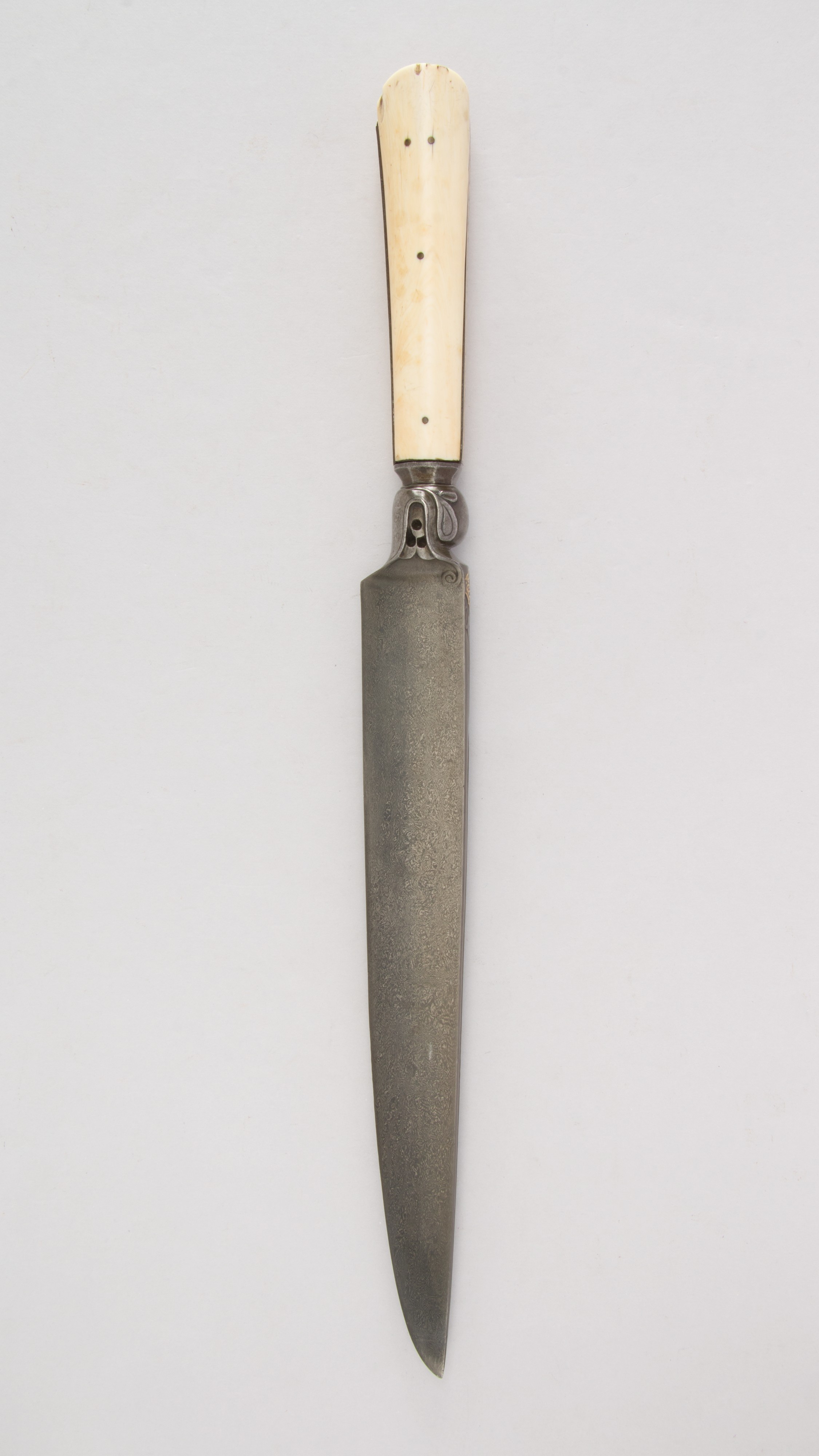
Heritage Analysis: The Persian Khanjar as a Luxury Archetype
Introduction: The Dagger as a Cultural Artifact
Within the Katherine Fashion Lab's Strategic Standalone Research framework, the Persian knife—most notably the khanjar—represents far more than a utilitarian object. It is a convergence of metallurgical mastery, courtly adornment, and spiritual symbolism that has endured from the Achaemenid era through the Qajar dynasty. For a 2026 high-end luxury strategy, the Persian knife offers a rare opportunity: a heritage object that simultaneously signals martial power, refined taste, and metaphysical protection. This analysis examines its symbolic, historical, and spiritual dimensions to extract actionable luxury positioning.
Symbolic Power: Sovereignty, Honor, and Masculine Virtue
In Persian culture, the knife and dagger were never merely weapons. They were regalia of authority. The curved blade of the khanjar, often forged from wootz steel (damascus), was worn at the waist of kings, princes, and tribal khans. Its presence in miniature paintings—from the Shahnameh of Ferdowsi to Safavid court portraits—codifies it as an emblem of farr (divine glory) and legitimate rule. Unlike the European sword, which emphasized reach and battlefield utility, the Persian knife emphasized intimacy: it was drawn in moments of personal honor, oath-taking, or ceremonial gift exchange. To own one was to possess a fragment of sovereign charisma.
For luxury strategy, this translates into a narrative of inherited power rather than acquired force. The knife does not shout; it commands. In a 2026 market fatigued by aggressive logo-driven luxury, the Persian knife offers a quiet, aristocratic authority—ideal for positioning a high-end accessory line as a talisman of leadership rather than a status symbol.
Historical Adornment: The Medium as Message
The material composition of the Persian knife is itself a strategic asset. Steel (often crucible steel with visible watering patterns) provided the blade's edge and its aesthetic signature—each pattern unique, like a fingerprint. Ivory (historically elephant ivory, now ethically replaced in contemporary luxury by mammoth or bio-ivory) formed the hilt, offering tactile warmth and a creamy contrast to the cold blade. Gold appeared in koftgari inlay—fine wire hammered into etched steel—creating verses from the Qur'an or Persian poetry along the spine. Iron served as the structural core, often hidden, representing the unglamorous strength beneath ornament.
This layered material hierarchy—iron beneath gold, steel beneath ivory—mirrors the Persian concept of zahir (the apparent) and batin (the hidden). For a 2026 luxury collection, this suggests a design philosophy: visible opulence backed by invisible integrity. The consumer of high-end luxury is increasingly literate in supply chains and material ethics. A knife-inspired accessory that uses recycled steel, certified ethical ivory alternatives, and traceable gold can tell a story of adornment with conscience—a direct evolution of the original object's material intelligence.
Spiritual Meaning: Protection, Thresholds, and the Sacred Blade
Beyond courtly display, the Persian knife carried apotropaic functions. In Zoroastrian tradition, metal—especially iron—was considered a purifying substance, capable of repelling druj (deceit) and evil spirits. A knife placed under a child's pillow or hung above a doorway served as a threshold guardian. In Sufi contexts, the blade symbolized the nafs (ego) that must be cut away to achieve spiritual refinement—a metaphor of self-discipline rather than violence.
This spiritual layer is critical for 2026 luxury strategy. The modern luxury consumer seeks meaning beyond aesthetics. A knife-inspired jewelry piece or objet d'art can be positioned not as a weapon but as a ritual object: a marker of personal boundaries, a symbol of decisive action, or a meditation aid. The gold-inlaid Qur'anic verses on historical Persian knives were not decoration; they were invocations. A contemporary luxury brand can translate this into engraved affirmations or personalized mantras, turning the object into a secular talisman for the high-performing individual.
2026 Luxury Strategy: From Heritage Object to Brand Archetype
Katherine Fashion Lab should treat the Persian knife as a strategic archetype, not a literal product. Three actionable pillars emerge:
1. The Curated Provenance Play. Partner with museum collections (e.g., the Metropolitan Museum of Art's Arms and Armor department) to create limited-edition capsules. Each piece references a specific historical khanjar, with a digital certificate detailing its original owner, region, and metallurgical signature. This satisfies the 2026 demand for radical transparency and narrative scarcity.
2. The Material Ethics Narrative. Replace elephant ivory with certified mammoth ivory or lab-grown bone. Replace conflict gold with Fairmined gold. Use recycled wootz-pattern steel to evoke the original damascus aesthetic without new mining. Market this as "Adornment Without Extraction"—a direct rebuttal to luxury's historical complicity in colonial resource chains.
3. The Ritual Object Positioning. Launch a line of desk objects, letter openers, or pendant blades (blunt, ceremonial) that serve as focus tools for meditation, journaling, or intention-setting. Pair each with a guide on Persian adab (etiquette) and zikr (remembrance). This transforms a weapon heritage into a wellness luxury category—projected to grow 12% annually through 2026.
Conclusion: The Blade as Brand Compass
The Persian knife is not a relic. It is a compressed history of power, beauty, and belief. For Katherine Fashion Lab, it offers a rare trinity: symbolic weight (sovereignty), material sophistication (steel, ivory, gold, iron), and spiritual depth (protection, self-mastery). In a 2026 luxury landscape defined by meaning-hungry consumers and ethical scrutiny, the Persian knife provides a north star—a heritage object that can be translated into accessories, narratives, and rituals without sacrificing its soul. The brand that masters this translation will not merely sell luxury; it will consecrate it.