Heritage Analysis: The Munich Practice Sword as a Luxury Artifact
Introduction: The Object as Strategic Asset
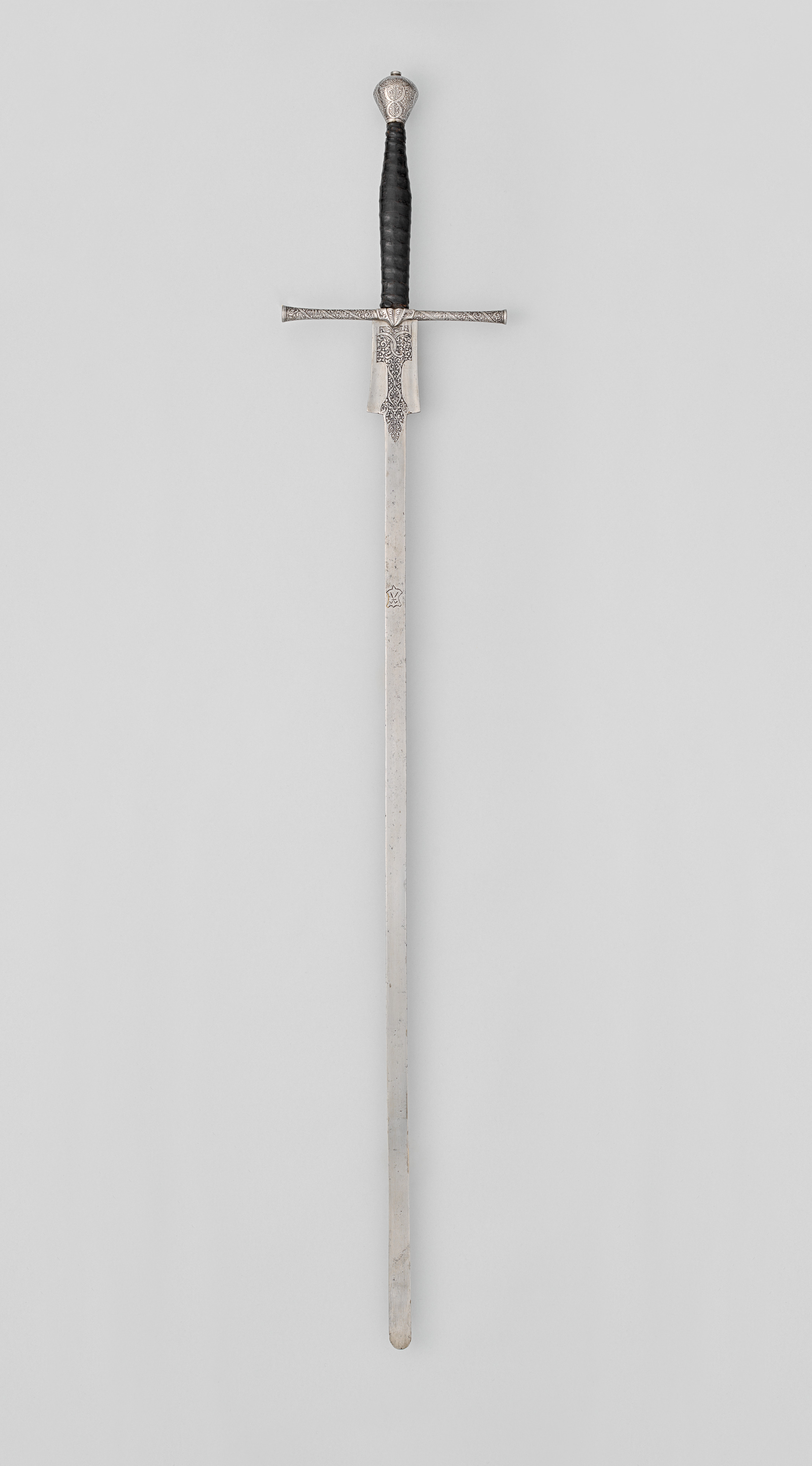
Within Katherine Fashion Lab's expanding portfolio of heritage-driven research, the Munich practice sword presents a compelling case study in how a utilitarian object can be repositioned as a symbol of symbolic power, cultural depth, and contemporary luxury. Originating from Munich, Germany, this artifact—composed of steel, leather, wood, and brass—was historically a training instrument for fencing and dueling. Yet its material composition, craftsmanship, and cultural context position it far beyond mere function. For 2026 high-end luxury strategy, the practice sword offers a blueprint for brands seeking to merge martial heritage with refined adornment, spiritual resonance, and exclusivity.
Historical Context and Adornment in Munich
Munich, as a center of Bavarian craftsmanship and academic fencing tradition, produced practice swords that balanced durability with aesthetic refinement. Unlike battlefield weapons, practice swords were designed for repetition, control, and skill development—yet they were not devoid of ornamentation. Brass guards, leather-wrapped grips, and polished wooden scabbards often featured subtle engravings, family crests, or guild marks. These adornments served dual purposes: they reinforced the owner's identity and signaled membership within elite fencing societies, such as the Mensur fraternities that shaped German academic culture from the 18th century onward.
From a heritage perspective, the Munich practice sword is a document of discipline. The steel blade, though blunted for safety, retained the geometry of a lethal weapon. The leather grip, worn by repeated handling, became a tactile record of practice. The wooden scabbard, often lined with felt, protected both blade and user. Brass elements—pommel, guard, and ferrule—added weight and visual hierarchy, transforming a training tool into a ceremonial object. These materials were not chosen randomly; they reflected a deliberate hierarchy of value: steel for strength, leather for intimacy, wood for tradition, brass for prestige.
Symbolic Power and Spiritual Meaning
The symbolic power of the practice sword lies in its liminality. It is neither a weapon of war nor a harmless prop. Instead, it occupies a threshold between violence and restraint, aggression and self-mastery. In Munich's fencing tradition, the practice sword embodied the spiritual discipline of the duel: the ability to control force, to respect an opponent, and to accept ritualized risk. This resonates with broader Germanic cultural archetypes—the sword as an extension of the self, a symbol of justice, and a marker of honor.
Spiritually, the practice sword carries an ascetic quality. Unlike a display sword, it bears the marks of use: nicks, patina, and sweat-stained leather. These imperfections are not flaws but evidence of devotion. In a luxury context, this translates into a narrative of authenticity—an object that has earned its beauty through practice rather than purchase. For Katherine Fashion Lab, this spiritual dimension offers a counterpoint to disposable fashion: the practice sword as a metaphor for mastery, patience, and the sacred repetition of craft.
Materiality as Luxury Language
Analyzing the medium—steel, leather, wood, brass—reveals a sophisticated material hierarchy that aligns with 2026 luxury trends. Steel, when hand-forged and differentially hardened, exhibits a subtle wave pattern (hamon-like) that speaks to artisanal control. Leather, particularly vegetable-tanned and hand-stitched, ages into a unique patina, making each grip personal. Wood, such as oak or beech, provides warmth and organic contrast to cold metal. Brass, with its golden hue, introduces a regal accent without the ostentation of gold.
For high-end luxury strategy, these materials suggest limited-edition collections where patina is a feature, not a defect. A practice sword-inspired accessory—whether a handbag handle, a belt buckle, or a jewelry clasp—could incorporate brass hardware with a brushed finish, leather that darkens with use, and a steel core that feels weighted and intentional. The key is to preserve the object's functional honesty while elevating its finish to couture standards.
2026 Luxury Strategy: From Practice to Prestige
In 2026, luxury consumers are expected to prioritize provenance, ritual, and emotional durability over logo-driven status. The Munich practice sword fits this shift perfectly. Katherine Fashion Lab can deploy it across three strategic pillars:
1. Narrative-Driven Product Design: Develop a capsule collection of leather goods and accessories that reference the practice sword's geometry—tapered silhouettes, brass rivets, and hand-wrapped grips. Each piece should come with a provenance card detailing the Munich fencing tradition and the symbolic meaning of controlled strength.
2. Experiential Retail: Create in-store "fencing ateliers" where clients can handle weighted practice swords, learn about the Mensur tradition, and commission bespoke leather grips or brass guards. This transforms shopping into a ritual of apprenticeship, aligning with the luxury shift toward experience over transaction.
3. Cultural Patronage: Partner with Munich-based fencing academies and metalwork ateliers to fund apprenticeships. By positioning the brand as a guardian of heritage craft, Katherine Fashion Lab gains credibility and access to authentic narratives that cannot be replicated by fast fashion.
Conclusion: The Sword as Strategic Mirror
The Munich practice sword is not a relic but a strategic mirror. It reflects discipline, adornment, and spiritual intent—qualities that 2026 luxury consumers increasingly seek. By analyzing its materials, symbolism, and cultural context, Katherine Fashion Lab can translate a training instrument into a language of refined power. The practice sword teaches that true luxury is not in the blade's sharpness but in the hand that wields it with restraint. For a fashion lab committed to heritage and innovation, that lesson is invaluable.