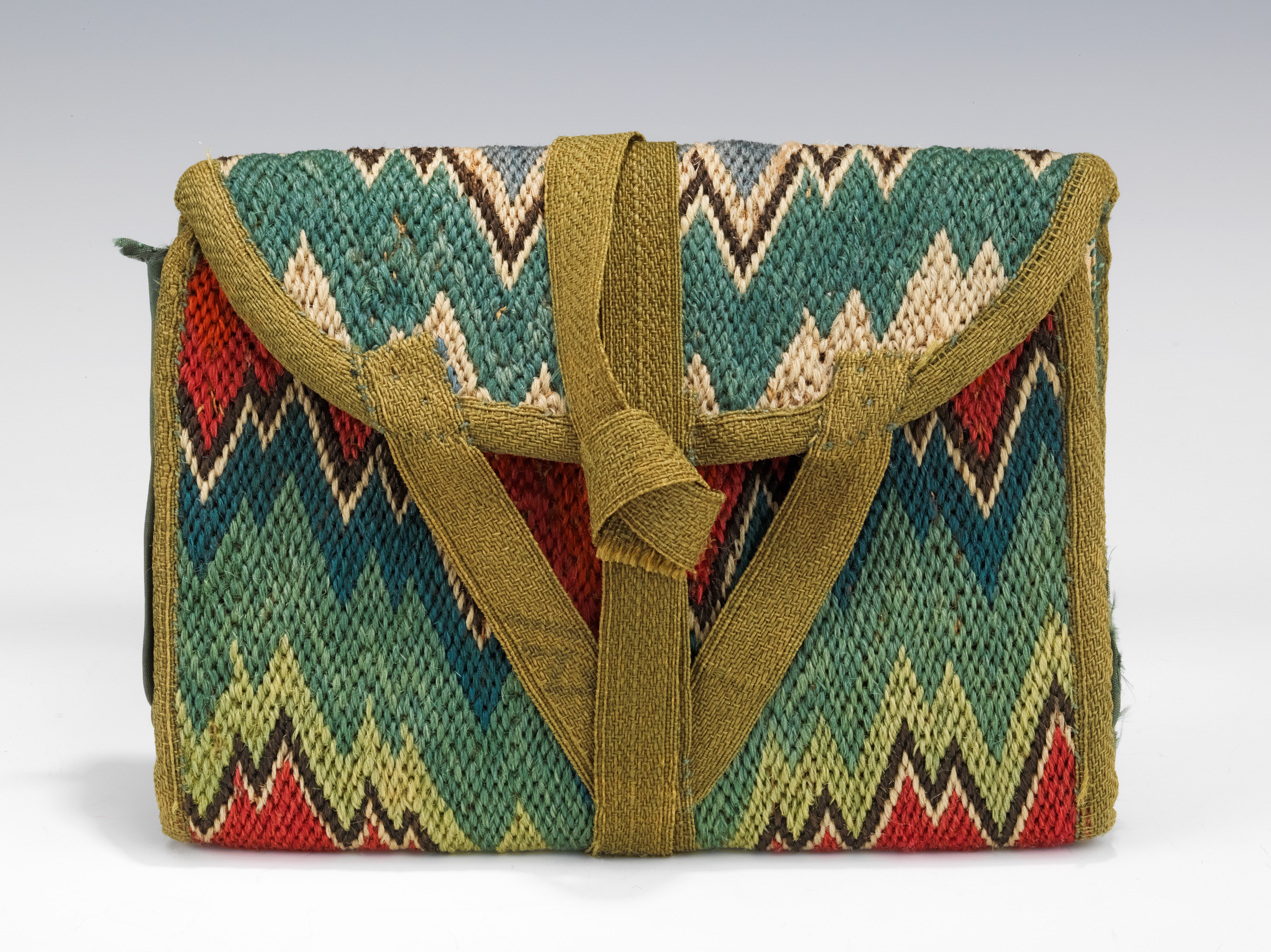
Introduction: The American Purse as a Material Proposition
In the contemporary landscape of luxury accessories, the purse has long served as a semiotic vessel—a signifier of status, taste, and cultural allegiance. Yet within the specific context of American design, the purse occupies a more complex position. It is an object born of pragmatism, shaped by a national ethos that prizes utility alongside beauty, and increasingly, a canvas for material experimentation. This standalone study examines a singular category of American purse defined by an unlikely quartet of materials: wool, linen, silk, and paper. This is not a study of exotic skins or precious metals. Rather, it is an inquiry into how humble, historically industrial fibers—and one decidedly non-traditional material—coalesce into a couture object that challenges the hierarchy of value in accessory design.
The Material Lexicon: Wool, Linen, Silk, and Paper
To understand the purse as a material proposition, one must first deconstruct its constituent elements. Each fiber carries its own historical and tactile narrative, and their combination in a single accessory is a deliberate act of American design philosophy.
Wool: The Democratic Foundation
Wool, the fiber of American industry and pastoral tradition, serves as the structural and conceptual anchor. In couture purses, wool is rarely the rustic, coarse weave of a blanket. Instead, it is often a fine merino or a tightly spun worsted, felted to a dense, almost architectural rigidity. Its role is to provide body and resilience. A wool-based purse frame resists deformation, offering a matte, light-absorbing surface that contrasts with the sheen of silk. It signals durability without ostentation—a quiet, democratic luxury.
Linen: The Breathable Structure
Linen introduces a crisp, dry hand and a subtle, irregular slub that speaks to natural origins. In the construction of a purse, linen often appears as the lining or as a reinforcing canvas beneath the exterior. Its breathability prevents the internal microclimate from becoming stale, a practical consideration for a vessel meant to carry daily essentials. Aesthetically, linen provides a matte, slightly textured counterpoint, its natural beige or ecru tones grounding the composition in an earthy, pre-industrial palette.
Silk: The Luminous Interruption
Silk is the wild card—the material of seduction and fluidity. In an American purse, silk is rarely the primary structural element. It appears as a lining, a drawstring, an embroidered motif, or a delicate overlay. Its function is to introduce luminosity and a sense of tactile risk. A silk-lined purse invites the hand to linger; it suggests that the interior life of the object is as considered as its exterior. The contrast between a felted wool shell and a liquid silk interior is a study in textural dialectics.
Paper: The Radical Gesture
And then there is paper. The inclusion of paper in a couture purse is not a gimmick; it is a philosophical statement. American designers have long been drawn to paper’s paradoxical nature: it is fragile yet strong, disposable yet archival, ordinary yet capable of extraordinary refinement. In high-end purses, paper appears as a laminated, coated, or woven element—sometimes as a structural core, sometimes as a decorative surface. Japanese paper yarns, for instance, can be woven into a fabric that resembles leather in its toughness but retains a papery, whisper-light quality. When combined with wool and linen, paper introduces an intellectual tension: the purse becomes a meditation on ephemerality and permanence.
Construction and Aesthetic Outcomes
The synthesis of these four materials demands a highly specialized approach to couture construction. Traditional leatherworking techniques—skiving, burnishing, saddle-stitching—are largely irrelevant. Instead, the maker must think like a textile artist and a bookbinder simultaneously.
The Laminated Shell
A common technique involves laminating a wool felt or linen canvas to a paper core using a silk adhesive or a silk organza interlayer. The result is a rigid, lightweight panel that can be cut and folded like cardboard but possesses the warmth and depth of a woven textile. The edges are then bound with silk ribbon, creating a finish that is both raw and refined.
The Silk-Lined Interior
Every purse in this category features a silk lining. This is not merely decorative. Silk’s low friction coefficient allows items to slide in and out without snagging, while its breathability protects contents from humidity. More importantly, the silk lining is the purse’s secret—a private luxury known only to the wearer.
Surface Interventions
Designers often exploit the differing dye affinities of wool, linen, silk, and paper. A single purse might feature a shibori-dyed wool exterior, a natural linen pocket, a silk-embroidered monogram, and a paper-thin laminated clasp. The resulting object is a patchwork of textures and matte-to-shine transitions that reads as distinctly American: plural, experimental, and unafraid of contradiction.
Cultural and Market Positioning
Why does this purse matter? In a global market saturated with logo-driven leather goods, the wool-linen-silk-paper purse occupies a contrarian space. It is not for the consumer who seeks obvious signals of wealth. It is for the connoisseur who values material intelligence, sustainability, and a certain intellectual rigor. Wool and linen are renewable and biodegradable. Silk is a classic. Paper, when sourced responsibly, is among the most recyclable materials on earth. This purse is therefore a quiet manifesto: American luxury need not be derived from animal skins or precious hardware. It can be derived from the thoughtful recombination of humble fibers.
Furthermore, the purse serves as a case study in American design’s enduring pragmatism. It is lightweight, durable, and repairable. A torn silk lining can be replaced. A scuffed paper surface can be re-laminated. This is not planned obsolescence; it is planned longevity.
Conclusion: A Standalone Object of Study
The American purse composed of wool, linen, silk, and paper is not a compromise. It is a deliberate, sophisticated proposition. It challenges the assumption that couture accessories must be leather-bound and hardware-heavy. By elevating paper to a structural element and treating wool and linen as worthy of fine finishing, it redefines the boundaries of luxury. In a standalone study, this purse emerges as a symbol of a new American craft—one that is material-led, environmentally aware, and aesthetically fearless. It is a purse that asks not “How much does it cost?” but “How was it made, and why?” That is a question worthy of the finest couture.