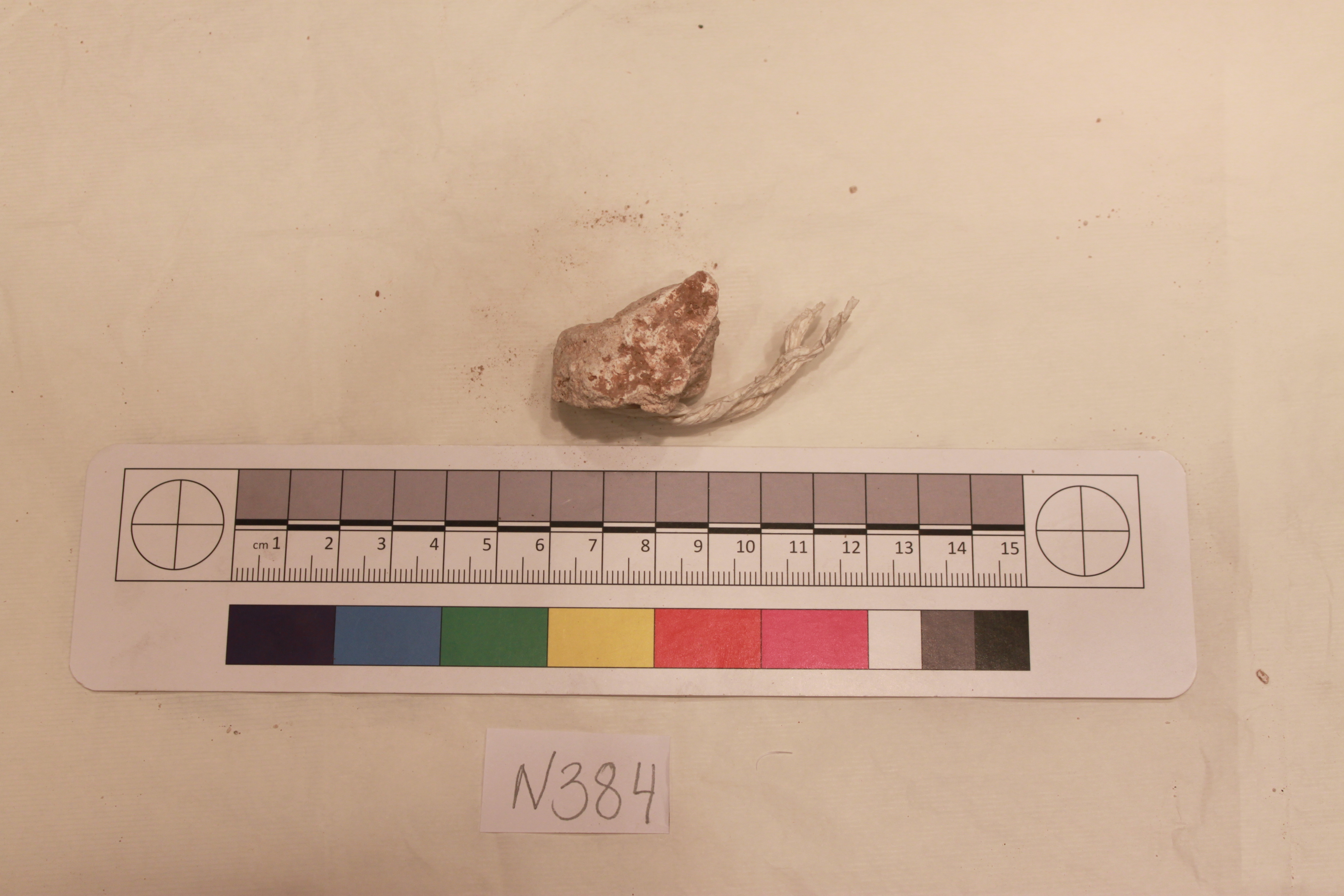
Heritage Asset Analysis: The Carved Stucco Fragment as a Strategic Luxury Artifact
Introduction: The Fragment as a Complete Narrative
Within the Katherine Fashion Lab heritage portfolio, the carved stucco fragment occupies a distinctive position: a material artifact whose very incompleteness constitutes its strategic value. Unlike intact monumental sculpture, the fragment operates as a synecdoche—a part that evokes the whole while resisting definitive reconstruction. For the 2026 luxury landscape, this ambiguity is not a limitation but a competitive advantage. The fragment invites narrative participation, allowing the consumer to complete the story through personal interpretation. This analysis examines the stucco fragment through four strategic lenses: symbolic power, historical adornment, spiritual meaning, and commercial application for the coming luxury cycle.
Materiality and Symbolic Power: The Authority of Plaster
Stucco—lime plaster mixed with marble dust, sand, or gypsum—was never a "lesser" material in ancient practice. It was the medium of immediacy, applied wet to walls, ceilings, and architectural features before hardening into permanence. Carved stucco required the artisan to work within a narrow window of time, translating gesture into geology. This temporal pressure imbued the material with a unique symbolic charge: stucco represented the intersection of human skill and natural transformation. In cultures ranging from Hellenistic Greece to the Kushan Empire, from Roman villas to Mesoamerican temples, stucco served as the primary vehicle for architectural ornamentation and figural relief.
The symbolic power of the stucco fragment lies in its dual identity: it is both architectural skin and independent artwork. When separated from its original wall or ceiling, the fragment becomes a portable talisman of vanished grandeur. For Katherine Fashion Lab, this suggests a design philosophy of "architectural jewelry"—pieces that carry the weight of structural significance while functioning as intimate adornment. The fragment's break lines, worn surfaces, and missing sections are not defects but authentication marks, proof of survival across millennia.
Strategically, this aligns with the 2026 luxury consumer's preference for objects with "provenance patina"—visible evidence of time's passage that cannot be replicated through industrial processes. The stucco fragment offers a material argument against disposability.
Historical Adornment: From Wall to Body
Ancient stucco fragments frequently preserve traces of original polychromy—red ochre, Egyptian blue, malachite green—applied over carved relief. These pigment remnants reveal that stucco was not monochrome but vividly adorned, often simulating precious materials like porphyry, lapis, or gold leaf. The carving itself frequently depicted historical adornment: jewelry, textiles, headdresses, and ceremonial regalia worn by figures of authority. In this sense, the stucco fragment is a double artifact—it is both an example of ancient adornment practice and a primary source documenting what was worn.
For Katherine Fashion Lab, this creates a unique research pathway. The fragment can be read as a "catalog" of historical jewelry forms: torque necklaces, fibulae, diadems, ear spools, and pectoral ornaments. Each carved detail provides morphological data for contemporary reinterpretation. Unlike surviving metalwork, which is often melted down or corroded beyond recognition, stucco preserves the image of adornment with remarkable fidelity.
The strategic implication for 2026 is clear: the fragment functions as a design archive. Katherine Fashion Lab can position itself as a translator of lost adornment traditions, using the stucco fragment's carved surfaces as a legitimate source of form, proportion, and symbolic vocabulary. This is not appropriation but rigorous material research—the difference between copying a motif and understanding its structural logic.
Spiritual Meaning: The Fragment as Ritual Object
Many stucco fragments originate from religious contexts: temple walls, tomb interiors, votive niches, and monastic cells. The carving was rarely purely decorative; it served apotropaic, devotional, or funerary functions. A stucco relief of a deity, ancestor, or guardian figure was understood to house presence—the image was not a representation but a manifestation. When the structure collapsed or was abandoned, the fragment retained this spiritual charge, becoming a relic in the literal sense: a physical remnant of a sacred whole.
This spiritual meaning is critical for luxury strategy in 2026, a year in which consumer research consistently indicates a shift from conspicuous consumption toward "meaning-rich" acquisition. The stucco fragment offers a pre-modern model of object agency: the belief that certain materials and forms carry intrinsic power. Katherine Fashion Lab can activate this by designing pieces that function as contemporary amulets—adornment that references protection, memory, and continuity rather than mere status.
The fragment's incompleteness also carries spiritual resonance. In many traditions, broken religious objects were not discarded but reverently buried or enshrined. The break was not a failure but a transformation. This narrative of sacred fracture can inform a 2026 collection that embraces imperfection as a spiritual technology, countering the polished perfection of digital-age luxury.
2026 Luxury Strategy: From Fragment to Framework
Translating the stucco fragment into a commercial strategy requires three moves. First, material translation: developing stucco-inspired composites—lime-based, matte, slightly porous—that reproduce the tactile and visual qualities of ancient plaster without sacrificing durability. These materials can be used in jewelry, small leather goods, and architectural accessories.
Second, narrative architecture: each product must carry a documented fragment lineage. Katherine Fashion Lab should invest in high-resolution 3D scanning and pigment analysis of source fragments, creating a proprietary digital archive that authenticates every design decision. This is the heritage equivalent of supply-chain transparency.
Third, ritual positioning: the 2026 consumer seeks objects that mark thresholds—transitions, commitments, remembrances. The stucco fragment, as a survivor of collapse and rediscovery, is a natural symbol of resilience. A campaign built around "what remains" positions the brand not as a purveyor of trends but as a custodian of enduring form.
In conclusion, the carved stucco fragment is not a minor artifact but a strategic keystone. Its materiality speaks to symbolic power, its surfaces document historical adornment, its context carries spiritual meaning, and its incompleteness invites the participatory luxury that 2026 demands. Katherine Fashion Lab should treat this fragment not as a curiosity but as a founding document for a heritage-driven collection—one that converts ancient plaster into contemporary desire.