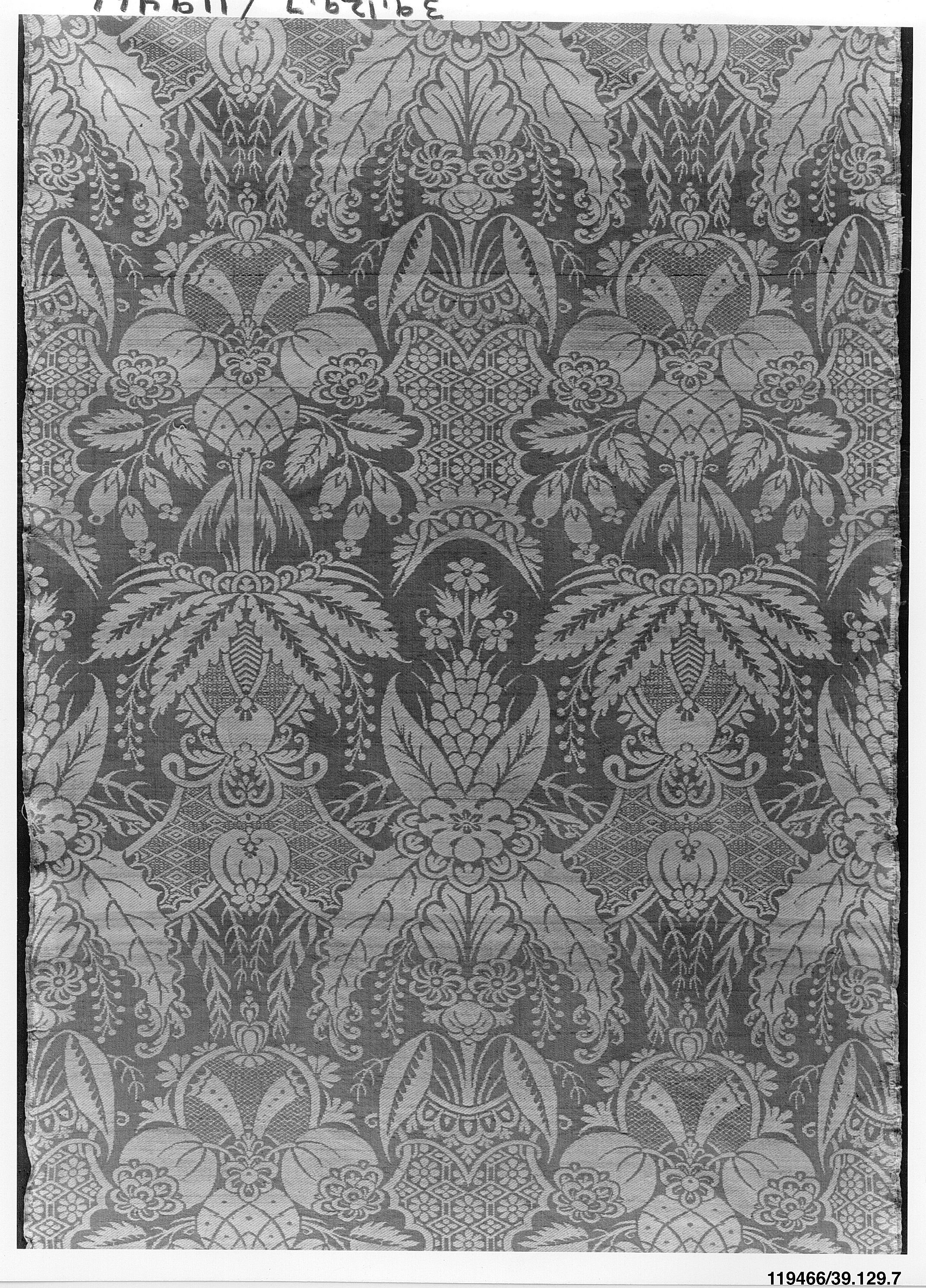
Executive Summary: The Strategic Value of Silk as a Heritage Asset
This analysis examines the enduring symbolic power of silk within ancient civilizations and its strategic repositioning for the 2026 high-end luxury market. For Katherine Fashion Lab, understanding silk not as a mere textile but as a carrier of spiritual meaning, political authority, and historical adornment is essential for developing a differentiated luxury proposition. The following research explores how the material's ancient associations with divinity, purity, and imperial exclusivity can inform contemporary brand narratives, product architecture, and consumer engagement strategies.
Historical Adornment and Symbolic Power in Ancient Civilizations
Silk emerged as a material of profound symbolic consequence in ancient China, where its production was closely guarded as a state secret for millennia. Beyond its tactile luxury, silk functioned as a medium of political communication. Emperors wore robes of specific silk weaves and colors to signal celestial mandate; yellow silk, in particular, became reserved for the imperial household, transforming the fabric into a visual instrument of hierarchy. In burial rituals, silk wrappings were believed to preserve the soul's journey, embedding the material within spiritual cosmology. This dual function—adornment and metaphysical protection—established silk as a rare artifact where aesthetic beauty and sacred utility converged.
Across other ancient civilizations, silk's rarity amplified its symbolic weight. In Rome, where the fabric arrived via the Silk Road, it was initially condemned by moralists as an emblem of decadent foreign influence, yet simultaneously coveted by elites as a marker of cosmopolitan sophistication. In Byzantium, silk garments were woven with imperial iconography and restricted to court circles, reinforcing the emperor's role as God's vicegerent on earth. These historical patterns reveal a consistent theme: silk's power lay not only in its physical properties but in its capacity to encode belonging, exclusion, and divine favor.
Spiritual Meaning and Ritual Function
The spiritual dimensions of silk merit particular attention for luxury strategy in 2026. In Daoist and Buddhist traditions, silk was offered at altars, used to wrap sacred texts, and incorporated into ceremonial banners. The fabric's shimmering surface was interpreted as a reflection of enlightenment or ancestral presence. In ancient Egyptian contexts, though silk was rare, its importation was associated with royal gift exchange and temple dedications, linking the material to votive practice. These spiritual associations position silk as a substance capable of bridging the material and the transcendent—a narrative asset for brands seeking to offer consumers meaning beyond utility.
For Katherine Fashion Lab, this spiritual heritage suggests opportunities to design pieces that function as contemporary talismans. Rather than treating silk as a passive canvas for prints, the brand can emphasize its historical role as a protective, consecrated medium. Limited-edition collections might reference specific ritual uses—such as silk threads woven into amulets or the practice of knotting silk to symbolize binding vows—without resorting to cultural appropriation. The goal is to translate ancient spiritual intentionality into modern gestures of care, intention, and personal significance.
Strategic Implications for 2026 High-End Luxury
The luxury market in 2026 is expected to reward brands that can demonstrate provenance, purpose, and emotional resonance. Consumers, particularly those in emerging affluent segments, are increasingly drawn to objects that carry verifiable heritage narratives and ethical production stories. Silk, with its documented 5,000-year history and complex supply chain, offers a rich platform for such storytelling—provided the brand addresses contemporary concerns around animal welfare, labor practices, and environmental impact.
Katherine Fashion Lab can leverage silk's symbolic power through three strategic pillars. First, narrative authentication: develop a proprietary archive of silk motifs, weaving techniques, and color symbolism drawn from ancient sources, and use this archive to certify each piece's cultural lineage. Second, ritualized product design: create garments and accessories that incorporate subtle functional elements inspired by historical adornment—such as hidden inner linings with protective inscriptions or closures that reference ancient knotting traditions—thereby transforming wearing into a mindful act. Third, spiritual luxury positioning: position silk pieces as objects of contemplation and intention, appealing to consumers who seek wellness, mindfulness, and connection to pre-modern wisdom.
Furthermore, the brand should consider collaborations with heritage institutions and artisan communities that preserve ancient sericulture and weaving methods. Such partnerships not only reinforce authenticity but also mitigate the risk of cultural commodification. By framing silk as a living heritage rather than a static relic, Katherine Fashion Lab can claim a distinctive space between tradition and innovation—a space where luxury is measured not only by price but by the depth of its cultural and spiritual resonance.
Conclusion
Silk's journey from ancient imperial courts to contemporary luxury runways is a testament to its extraordinary adaptability and enduring symbolic charge. For Katherine Fashion Lab, the strategic imperative is clear: treat silk as a heritage technology—a material that has historically encoded power, sanctity, and belonging. By grounding 2026 collections in rigorous historical research and spiritual sensitivity, the brand can offer consumers more than beautiful garments; it can offer participation in a lineage of adornment that spans millennia. In a luxury landscape increasingly defined by meaning and memory, such depth is not merely an advantage—it is a necessity.