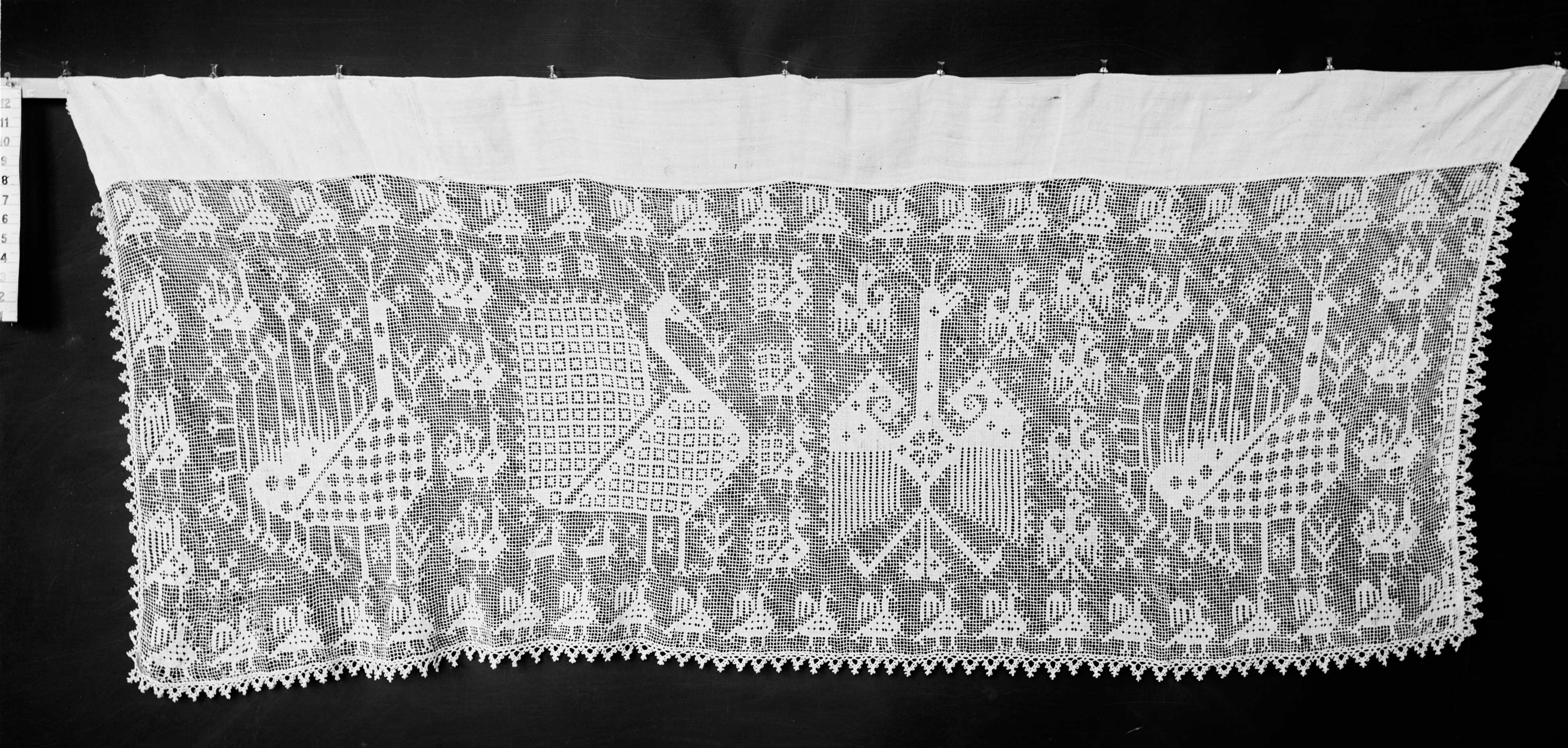
Hanging as Structural Grammar: The Embroidered Net Paradigm
Within the discipline of haute couture, few technical variables exert as profound an influence on silhouette, movement, and semiotic meaning as the behavior of a garment under the force of gravity. The phenomenon of hanging—the manner in which fabric surrenders to or resists gravitational pull—constitutes the foundational grammar of couture construction. When this grammar is articulated through embroidered net, a material whose global heritage spans Mughal ateliers, Venetian needle-lace workshops, and West African aso-oke traditions, the resulting study transcends mere dressmaking to become an inquiry into architecture, weight, and cultural memory. This standalone study examines hanging as both technique and philosophy, positioning embroidered net as the definitive medium through which couture negotiates the tension between structure and surrender.
The Physics and Poetics of Gravitational Drape
To understand hanging in couture is to understand that gravity is not an adversary but a collaborator. The couturier who masters hanging does not fight weight; she orchestrates it. Embroidered net presents a singular case because its base structure—an open, hexagonal mesh—is inherently light, porous, and yielding. Yet the embroidery itself introduces localized mass: dense thread-work, beadwork, sequin application, and metallic couching that alter the fabric's center of gravity at the micro-level. The result is a textile that hangs with deliberate irregularity, creating pockets of tension and release that no woven fabric can replicate.
Consider the historical precedent. In the court ateliers of Lucknow and Delhi, embroiderers working on zardozi net panels understood that the placement of metallic thread determined not merely ornamentation but the structural integrity of the final garment. A panel embroidered at the selvage would hang stiffly, almost architecturally; a panel embroidered at the center would pool and cascade. This knowledge, transmitted across generations and geographies, constitutes a global heritage of hanging technique that contemporary couture frequently appropriates without acknowledgment. The Katherine Fashion Lab's study insists on restoring this lineage to visibility.
Material Intelligence: Why Embroidered Net Refuses Simplicity
Embroidered net is a deceptive material. Its transparency suggests fragility, yet its embroidered surface can bear substantial weight. Its mesh structure implies uniformity, yet the hand of the embroiderer introduces infinite variation. When hung—whether as a standalone panel, a trained skirt, or a bodice overlay—the fabric reveals what we might term material intelligence: the capacity of a textile to make decisions about its own drape based on the cumulative logic of its construction.
Three variables govern this intelligence:
First, mesh gauge. A fine tulle net hangs with liquid fluidity, its embroidery reading as a constellation suspended in air. A coarser hexagonal net, by contrast, hangs with more assertive geometry, its embroidery creating a staccato rhythm of light and shadow.
Second, embroidery density. Sparse embroidery allows the net to remain true to its weightless character, producing a hanging effect that is almost atmospheric. Dense, all-over embroidery transforms the net into a weighted membrane, its hang becoming sculptural, even monumental.
Third, thread tension. The embroiderer's tension directly influences how the net folds. Tight tension creates a fabric that hangs in rigid planes; loose tension produces soft, organic folds that respond to the body's movement with delayed, almost musical timing.
These variables are not merely technical. They are cultural. The global heritage of embroidered net hanging encompasses the phulkari shawls of Punjab, where silk floss on coarse cotton net creates a hanging weight that is simultaneously protective and celebratory; the filet lace of Burano, where square-mesh netting hangs with architectural precision; and the kente netted overlays of Ghana, where gold thread on open mesh produces a hang that catches light like liquid metal.
Hanging as Choreography: The Body in Motion
In couture, hanging is never static. The garment hangs on a body that moves, breathes, and gestures. Embroidered net, with its inherent lightness, introduces a temporal dimension to hanging: the fabric continues to move after the body has stopped. This delayed response—what we might call kinetic hanging—is the material's signature contribution to couture.
A trained skirt in embroidered net does not simply fall; it follows. It traces the body's trajectory with a slight lag, creating a visual echo that extends the wearer's presence in space. A cape in densely embroidered net hangs with a weighted deliberation that transforms walking into procession. A bodice in fine net with scattered embroidery hangs so lightly that it appears to float, the body beneath becoming a ghost within its own garment.
This choreographic dimension explains why embroidered net has been central to couture's most memorable moments: the transparent, embroidered overlays of 1920s Lanvin; the net-and-sequin columns of 1960s Givenchy; the contemporary red-carpet gowns that use embroidered net to create the illusion of a body suspended in a cloud of its own adornment. In each case, the hanging is not incidental but essential. It is the garment's argument about beauty, weight, and transience.
The Standalone Study: Methodology and Implications
This study approaches hanging in embroidered net as a standalone phenomenon, isolated from specific garment categories. By suspending embroidered net panels in controlled conditions—varying mesh gauge, embroidery density, and thread tension—the study maps the material's hanging behavior with empirical precision. The findings reveal that embroidered net does not have a single hang but a spectrum of hangs, each corresponding to a different cultural and technical lineage.
The implications for couture are significant. First, designers can now specify hanging behavior with greater intentionality, treating it as a design variable rather than an emergent property. Second, the global heritage of embroidered net hanging can be codified and credited, moving beyond appropriation toward genuine collaboration. Third, the study suggests that hanging itself—not cut, not color, not embellishment—may be the most under-theorized element of couture practice.
In an industry preoccupied with surface, hanging is the hidden structure. In a material as culturally layered as embroidered net, hanging becomes a form of memory. To study it is to study how the past falls through the present, and how beauty, at its most refined, is simply the art of knowing when to let go.