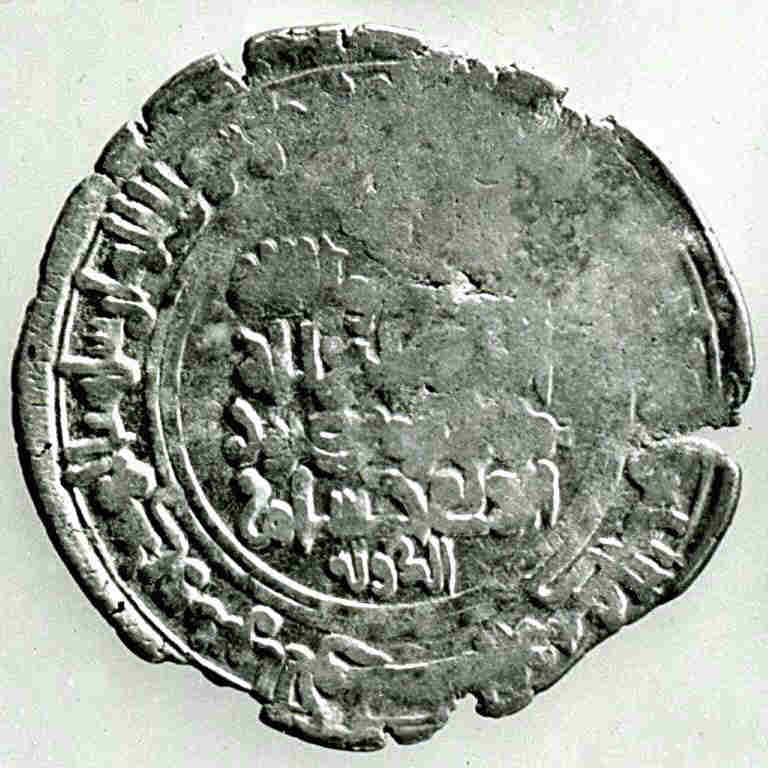
Heritage Asset Analysis: The Silver Coin of Ancient Civilization
Executive Summary
Within the strategic asset register of Katherine Fashion Lab, few artifacts command the interdisciplinary weight of the ancient silver coin. More than a medium of exchange, this object functioned simultaneously as a portable emblem of sovereignty, a talisman of spiritual protection, and a wearable declaration of status. For a 2026 luxury landscape defined by provenance-driven storytelling and talismanic desire, the silver coin offers a rare convergence of monetary authority and intimate adornment. This analysis examines its symbolic power, its role in historical adornment, its spiritual meaning, and its translation into a defensible luxury strategy.
Symbolic Power: Sovereignty in Miniature
The silver coin emerged in antiquity as an instrument of statecraft. Its issuance required control over mines, mints, and metallurgical expertise—capacities that signaled centralized power. When a ruler struck silver, they did not merely facilitate trade; they broadcast legitimacy. The portrait or emblem on the obverse transformed every transaction into a micro-ritual of allegiance, placing the sovereign's image in the palm of the citizen.
Silver, distinct from gold, carried a particular symbolic register. It was associated with the moon, with reflection, with clarity, and with the measurable and the just. In many ancient cultures, silver was the metal of accountability—used for weights, standards, and oaths. A silver coin therefore embodied a double claim: the authority to define value and the moral promise to uphold it. For Katherine Fashion Lab, this duality is strategically potent. It positions the coin not as nostalgia but as an archetype of verified value—a concept central to the authentication-obsessed luxury consumer of 2026.
Historical Adornment: From Circulation to Body
The coin's migration from purse to person is one of antiquity's most revealing adornment narratives. In Roman, Hellenistic, and later Byzantine contexts, silver coins were pierced, mounted, or incorporated into fibulae, necklaces, and belts. This was not merely decorative recycling. To wear a coin was to collapse the distance between the treasury and the body—to claim proximity to power.
Women in particular used coin jewelry to negotiate visibility within patriarchal economies. A silver coin at the throat or the wrist functioned as a publicly legible asset: it could be displayed, gifted, or liquidated. It was adornment with an exit strategy. This historical precedent speaks directly to the modern luxury client who seeks objects that perform and appreciate—pieces that are beautiful, meaningful, and financially rational.
Furthermore, the coin's circular form and dual-faced construction made it a natural canvas for narrative layering. Obverse and reverse could tell competing or complementary stories: a ruler and a deity, a city and a symbol, a present authority and a founding myth. This structural duality is a design gift for a maison building collections around revealed meaning.
Spiritual Meaning: Talisman, Oath, and Passage
In ancient spiritual frameworks, silver was apotropaic—capable of warding off harm and revealing truth. Coins buried with the dead served as passage tokens, while coins placed in foundations or worn on the body served as protective amulets. The act of carrying a silver coin was often an act of contract with the unseen: a promise of safe travel, fair judgment, or ancestral favor.
This spiritual dimension elevates the coin beyond the transactional. It becomes a secular relic—an object that has been touched by history and charged with intention. For luxury strategy, this is the difference between a product and a talisman. The 2026 consumer, navigating economic volatility and digital saturation, is drawn to objects that offer grounding, protection, and continuity. The silver coin, read through this lens, is not a currency but a covenant.
2026 Luxury Strategy: Positioning the Silver Coin
Katherine Fashion Lab should position the silver coin as a heritage anchor within a talismanic fine jewelry line. Three strategic pillars follow.
First, provenance as product. Each piece should carry a documented narrative: the civilization, the minting period, the symbolic program of obverse and reverse. Authentication becomes part of the luxury experience, not a back-office function. This aligns with the 2026 premium on radical transparency and verifiable origin.
Second, wearability as power. Design should honor the historical grammar of pierced and mounted coins while translating it into contemporary silhouettes—signet rings, collar necklaces, cufflinks, and modular pendants. The coin should sit at the intersection of archaeology and architecture: ancient surface, modern line.
Third, spirituality without dogma. Marketing should evoke protection, intention, and continuity—language that resonates across secular and spiritual audiences. The silver coin becomes a quiet ritual object: touched, turned, worn. In a luxury market saturated with logos, this is differentiation through meaning density.
Conclusion
The ancient silver coin is a strategic asset of unusual depth. It carries sovereignty, adornment history, and spiritual charge in a single circular form. For Katherine Fashion Lab, it offers a way to enter the 2026 luxury conversation not with novelty, but with inherited authority. Properly framed, the coin is not a relic of exchange. It is a wearable thesis on value itself—and a signature waiting to be struck.