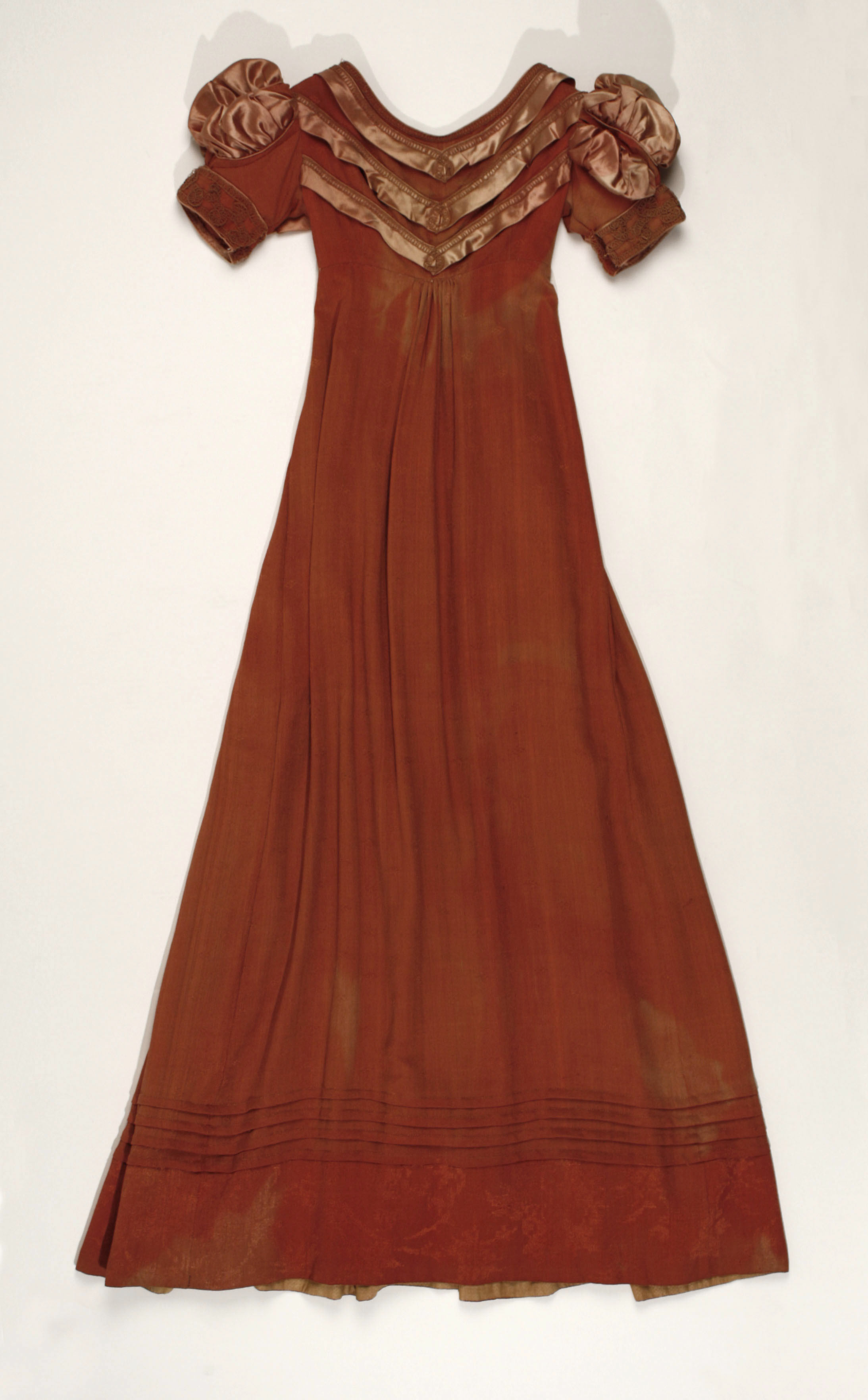
Deconstructing the American Silhouette: A Couture Analysis of the Silk Dress
Within the curated archives of Katherine Fashion Lab, the American silk dress presents a compelling paradox. It is a garment that speaks to both democratic ease and rarefied luxury, a standalone study in the negotiation of national identity through fabric and form. Unlike its European counterparts, often born from the rigid hierarchies of historic houses, the American interpretation of the silk dress is a narrative of pragmatism transformed into elegance, of commercial instinct elevated to an art form. This analysis dissects the key vectors of this evolution: the material's symbolic weight, the architectural philosophy of cut, and the contextual dialogue between wearer and environment that defines its standalone power.
The Silk Standard: Materiality and the American Mythos
In the European tradition, silk often carries the indelible stamp of inherited opulence—think of Lyons brocades or Italian velvets with centuries-old pedigrees. The American relationship with silk is inherently more modern and ideological. Here, silk is not a relic of aristocracy but a badge of achieved refinement. Its use in a standalone dress is a deliberate statement of quality and sensory intelligence. The Lab examines this through the lens of handling: how the silk—whether duchess satin, crepe de chine, or raw silk—is permitted to express its inherent character. American designers, from Mainbocher to Halston to contemporary auteurs, have often favored silks that possess a fluid drape rather than a stiff structure, implying a body in motion, a life of agency.
This material choice becomes a cornerstone of the "standalone" context. The dress does not rely on excessive ornamentation—beading, embroidery, or layered underpinnings—to command authority. Its authority is derived from the integrity of the material itself: the way light cascades across a satin bias cut, the subdued elegance of a matte crepe, the democratic texture of shantung that whispers rather than shouts. The silk becomes the protagonist, and the design's success hinges on the designer's skill in collaborating with, rather than dominating, the fabric's natural properties. This reflects a broader American principle: the celebration of inherent, "honest" quality elevated through masterful execution.
Architecture of Ease: The Cut as Cultural Code
The cut of the American silk dress is where national philosophy is most precisely tailored. The European couture tradition frequently emphasizes transformation—using structure to sculpt the body into an idealized, often dramatic silhouette. The American approach, particularly in its most iconic iterations, leans towards accentuation rather than alteration. The standalone silk dress often follows the logic of the bias cut, pioneered by Vionnet but perfected in an American context by designers who understood the need for sublime comfort within luxury.
This analysis identifies the "engineered ease" as a critical innovation. A dress may appear simple—a column, a slip, a wrap—but its genius resides in the precision of its seams, the calculated generosity of its drape, and the strategic placement of its tension points. It is clothing designed for a modern ecosystem: it must travel well, transition from day to evening with a change of accessory, and above all, make the wearer feel empowered, not costumed. The Lab examines the armhole, a telling detail: often cut with a specific depth and pitch to allow for unencumbered movement, a nod to the active, engaged life of the American woman. This is not a dress for standing still in a salon; it is a dress for commanding a boardroom, crossing a gallery, or hosting a gathering. Its standalone nature demands a cut that is both self-sufficient and supremely adaptable.
The Standalone Context: Autonomy and Atmospheric Dialogue
The directive of a "standalone study" is crucial. This dress is not part of a collection narrative or a thematic runway story. It is evaluated in isolation, forcing an examination of its intrinsic merits and its ability to create its own context. This mirrors the American fashion ethos, where the item—the perfect little black dress, the power suit, the silk column—often holds more cultural weight than the seasonal collection from which it came.
In this vacuum, the dress enters a dialogue with atmosphere and individual presence. Without the crutch of narrative or accessory, it must hold space through pure design language. The Lab considers how the color of the silk interacts with ambient light, how the hemline relates to the floor and the body's posture, how the neckline frames the face as its primary focal point. A rustling of habotai silk becomes an audible component of its presence; the cool, liquid feel of charmeuse against the skin is a private, sensory experience that underpins public confidence.
This standalone quality also speaks to a democratic ideal of self-creation. The dress is not a uniform of a specific social set but a template for personal expression. Its simplicity is its invitation. It provides a canvas of impeccable quality and cut upon which the wearer's identity—through posture, gesture, and minimal, deliberate adornment—becomes the final, crucial element of the design. It asserts that true luxury is not about being looked at, but about the assured experience of being oneself.
Conclusion: The Quiet Argument of American Luxury
The American silk dress, as isolated and analyzed within Katherine Fashion Lab, ultimately makes a quiet but profound argument. It posits that couture-level sophistication can be born from principles of practicality, comfort, and respect for the individual form. It exchanges the overt theatrics of inherited grandeur for the potent theatre of personal autonomy. In its masterful manipulation of silk, its architecture of ease, and its confident, standalone presence, it codifies a distinctly modern and American vision of luxury: one that is worn, not performed; felt, not just seen. It remains a testament to the idea that the most powerful statement a garment can make is to reveal, with elegant precision, the woman who wears it.