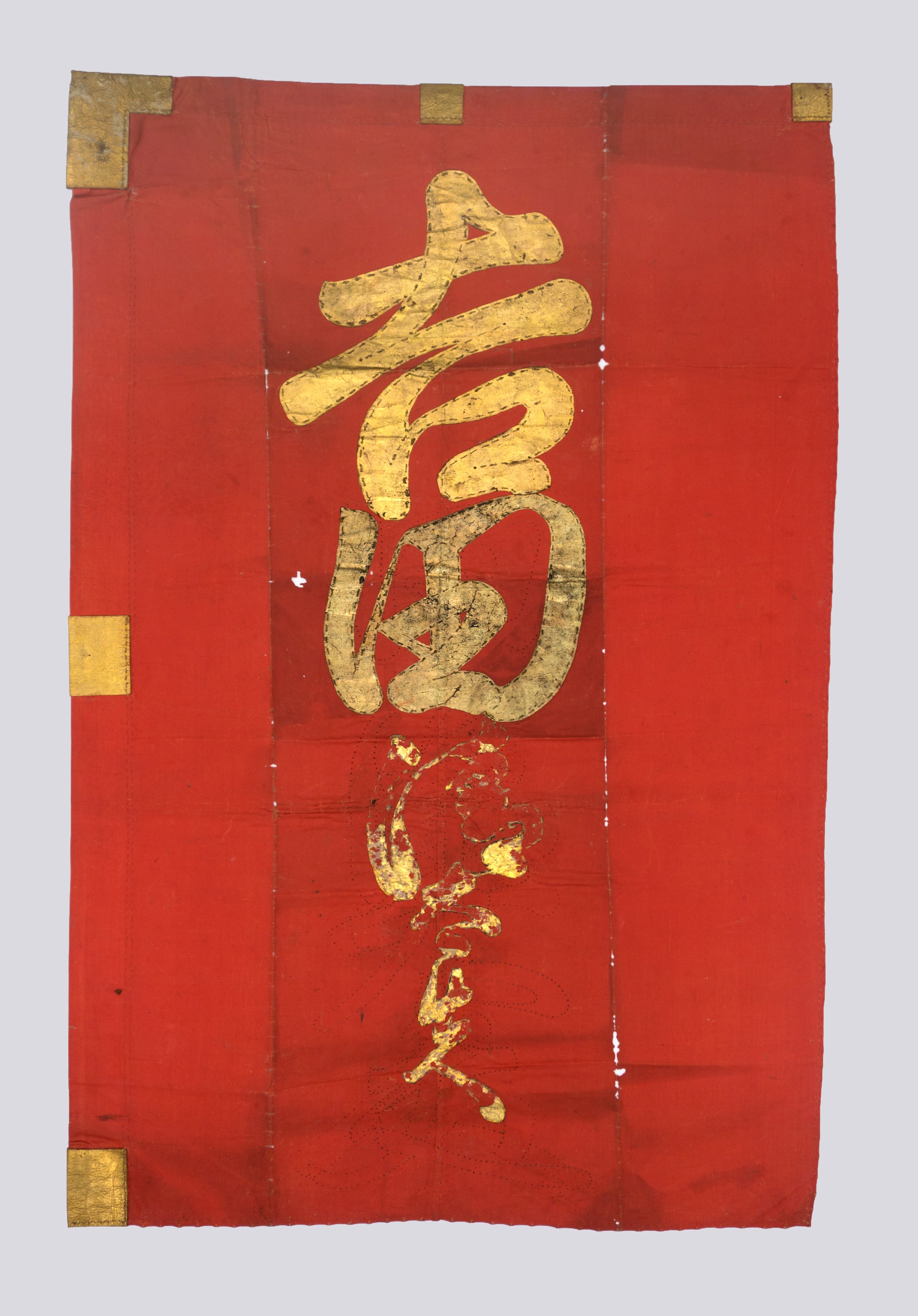
Executive Summary: The Sashimono as a Strategic Heritage Asset
This strategic standalone research paper, prepared for the leadership of Katherine Fashion Lab, analyzes the Japanese sashimono (standard banner) as a potent, untapped source of heritage inspiration. Moving beyond superficial aesthetic appropriation, this analysis deconstructs the artifact’s intrinsic symbolic systems to propose a framework for authentic, high-value luxury strategy for the 2026 horizon. The sashimono—a battlefield identifier crafted from silk, leather, gold pigment, and paper—offers a masterclass in the confluence of identity, spiritual belief, and material excellence. This paper argues that its core principles of declarative identity, spiritual armor, and tactical beauty provide a rigorous blueprint for a collection that transcends fashion to become a modern talisman for the global elite.
Historical and Material Context: The Anatomy of a Banner
Emerging prominently during Japan’s Sengoku period (c. 1467–1615), the sashimono was a small, personalized banner worn on the back of a samurai’s armor, secured by a lacquered leather frame. Its primary function was practical: in the chaotic melee of battle, where combatants were fully armored, these standards provided immediate clan (mon) and commander identification. The medium was inherently luxurious and deliberate. The ground was often high-quality silk, chosen for its strength, light weight, and luminous surface capable of holding vivid pigments. The designs were applied using mineral pigments and, significantly, gold leaf or gold powder (kinpaku), a material signifier of divine power and unyielding value. The use of paper in the construction or for preliminary designs speaks to the profound Japanese respect for ephemeral beauty and crafted impermanence—a concept known as mono no aware.
Symbolic Power and Declarative Identity
The sashimono was not merely a label; it was a compressed heraldic statement of lineage, allegiance, and personal ambition. The mon (family crest) served as a corporate logo, communicating history and power at a glance. Beyond the crest, symbols ranged from stylized Sanskrit characters (bonji) representing Buddhist deities to iconic motifs like the crane (longevity), the dragon (power and water), or the tomoe (comma shape, symbolizing the interplay of cosmic forces). This transforms the banner from a tool into a declarative identity platform. In a modern luxury context, this translates to the move beyond branded logomania to a more sophisticated, personalized symbolism. The strategic implication for Katherine Fashion Lab is the creation of a new, ownable symbolic lexicon—a system of motifs that denote values, status, and affiliation within the brand’s universe, allowing for deep personalization that resonates with the client’s desire for coded, rather than overt, declaration.
Spiritual Meaning and Adornment as Armor
The sashimono’s function extended deeply into the spiritual realm. It was considered a form of spiritual armor, a sacred object believed to offer divine protection. The incorporation of Buddhist and Shinto symbols invoked the watchful eyes of gods and ancestors, turning the wearer’s back—a vulnerable zone—into a protected, sanctified space. The banner was thus a portable shrine, a conduit for metaphysical power. This concept of adornment as spiritual technology is critically relevant to contemporary luxury. The modern consumer, particularly in high-net-worth segments, seeks objects with narrative depth and talismanic properties—items that do more than adorn, but protect, empower, and connect to a broader philosophical narrative. For our 2026 strategy, materials and craftsmanship must be framed not just as excellence, but as consecration. The application of gold pigment becomes a ritual act; the cut of silk, a gesture of reverence.
Strategic Translation: The 2026 High-End Luxury Framework
For the 2026 collection, Katherine Fashion Lab must operationalize these heritage codes into a coherent luxury strategy. The goal is to create a "Modern Sashimono" collection that functions as wearable heraldry for today’s leaders—not on the battlefield, but in the arenas of finance, innovation, and culture.
Pillar 1: The Silhouette as Armature
Investigate structural elements inspired by the sashimono’s form. This includes architectural back treatments—structured capes, tailored jackets with integrated back panels, or gowns with dramatic, flat planes emanating from the spine. The leather harness and frame that secured the banner inspire possibilities for articulated leather detailing, harness-inspired silhouettes in precious leathers, or external structural elements that suggest a frame for personal identity. The key is to create a silhouette that commands presence from all angles, acknowledging the banner’s 360-degree declarative purpose.
Pillar 2: The Symbolic Ecosystem & Personalization
Develop a Katherine Fashion Lab "Symbol Library." Instead of generic prints, create a suite of motifs derived from deep research into analogous symbols of power, protection, and destiny from various cultures (ensuring respectful collaboration), alongside newly created abstract symbols representing modern virtues like "resilience," "clarity," and "influence." These can be rendered in techniques that echo the artifact: exquisite embroidery with silk and gold thread, precise laser-cut leather appliqués, or gilded prints using actual gold pigment. Offer a bespoke symbolism service, where clients can select and combine motifs to create a personal coat of arms, applied to a garment’s interior lining, the back of a collar, or as a central focal point.
Pillar 3: Material Consecration & Artisanal Narrative
The materials must tell the story. Source heritage silks from specific regions known for their quality. Develop a proprietary "gold pigment" finishing technique for leather and textiles, partnering with specialists in kinpaku or European gilding traditions. Incorporate washi paper not as a material, but as a textural inspiration—through pleating, laminating, or embossing fabrics to achieve a similar dignified fragility. Each piece should be accompanied by a "Certificate of Consecration," detailing the origin of materials, the meaning of the symbols, and the artisan’s hand, transforming the garment into a curated heritage object.
Conclusion: From Battlefield to Boardroom
The Japanese sashimono provides Katherine Fashion Lab with a profound strategic narrative far exceeding a simple visual theme. It is a case study in how identity, sanctified through supreme craftsmanship and potent symbolism, is worn as both protection and proclamation. By deconstructing its principles—Declarative Identity, Spiritual Armor, and Tactical Beauty—we can architect a 2026 luxury strategy that answers the market’s demand for meaning, authenticity, and personalized power. The resulting collection will not be "samurai-inspired" in a literal sense, but will embody the sashimono’s essence: creating garments that are, for the modern wielder, a standard to rally behind, a shield against the mundane, and a definitive statement of their place in the world.