The Art of Insertion: A Structural and Philosophical Exploration
In the lexicon of haute couture, few techniques carry the simultaneous weight of structural ingenuity and poetic metaphor as powerfully as Insertion. For Katherine Fashion Lab, this is not merely a method of joining but a foundational principle—a deliberate act of creating space for new narratives within an existing framework. This standalone study examines Insertion through the rarefied lens of handcrafted needle lace, positioning it as a vital conduit of Global Heritage. Here, the insertion is both verb and noun: the meticulous process and the exquisite result, a testament to the dialogue between void and substance, history and innovation.
Deconstructing the Void: The Structural Poetics of Insertion
At its technical core, Insertion in couture refers to the practice of sewing a separate, often ornate, panel or band between two pieces of fabric. Unlike appliqué, which layers atop, insertion is inherently integrative; it relies on the precise creation of negative space—a calculated void—to be filled. This philosophy transforms the garment’s architecture. The supporting fabric is not a passive canvas but an active participant, its edges finished and prepared to receive. The inserted element becomes a bridge, a ligament that articulates movement and intention. In the context of Katherine Fashion Lab’s ethos, this mirrors the integration of diverse cultural insights into a cohesive creative vision. The strength of the final form depends on the integrity of the seams that join disparate elements, celebrating the joint rather than disguising it.
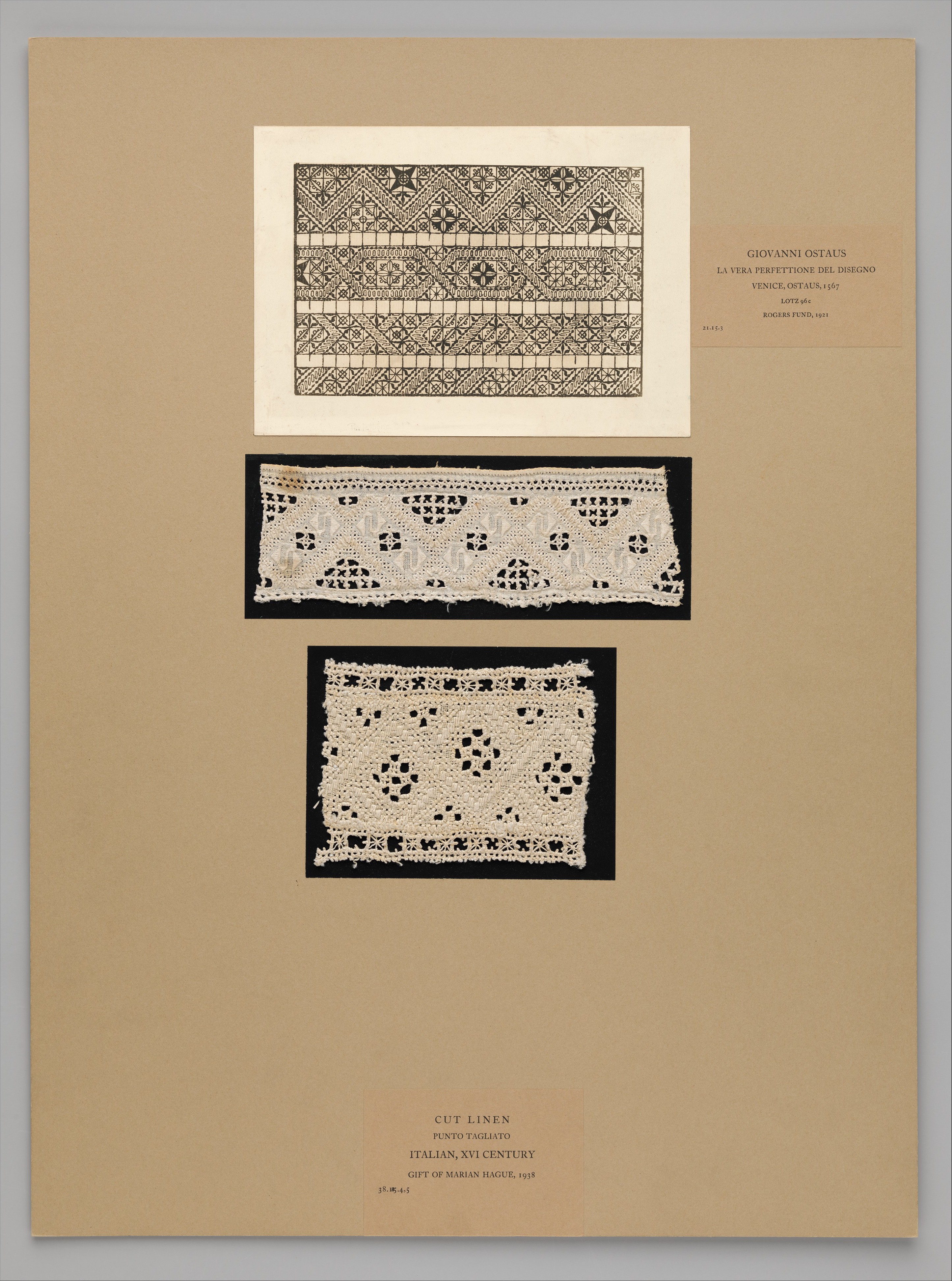
When the material of choice is needle lace, this technical act ascends to the realm of high art. Needle lace, or *punto in aria* ("stitch in air"), is itself an act of creation from void. Built stitch-by-stitch upon a temporary framework that is later removed, it is fabric born of negative space. To then insert this ethereal, self-contained universe into a broader textile landscape is a profound gesture. It creates windows of breathtaking intricacy within a more solid structure, playing with opacity and transparency, weight and weightlessness. The insertion becomes a focal point of concentrated labor and artistry, a deliberate pause in the flow of the garment that demands contemplation.
Threads of Continuity: Needle Lace as a Vessel of Global Heritage
The selection of needle lace as the primary material for this study is a deliberate curation of heritage. Unlike machine-made uniformity, hand-wrought needle lace is a palimpsest of geographical and cultural memory. Each stitch carries the legacy of specific, globally dispersed traditions: the botanical exuberance of Venetian gros point de Venise, the geometric precision of Hungarian halas lace, the delicate tracery of French Alençon, or the figurative storytelling of Chinese zhou lace. For Katherine Fashion Lab, these techniques are not archived relics but active, living libraries.
In our analytical framework, the Insertion becomes the mechanism through which these distinct heritage codes are integrated into a contemporary couture language. A sleeve might feature a panel of Belgian needle lace motifs inspired by Art Nouveau, inserted seamlessly beside a bodice employing a Japanese boro-inspired piecing technique. The insertion seam is the respectful yet confident boundary that allows each heritage to speak its truth without dilution, while contributing to a new, coherent whole. This practice moves beyond appropriation into the realm of knowledge-based homage and synthesis, ensuring the continuity of craft in a modern context. The lace is not a decorative afterthought; it is the conceptual and emotional core, inserted as a deliberate carrier of cultural DNA.
The Couture Dialectic: Tension and Harmony in Composition
The application of Insertion with needle lace creates a compelling dialectic on the couture form. It introduces calculated points of tension and release. A densely worked lace insertion at the waist can cinch and define, acting as a structural corset made of thread rather than boning. A vertical insertion flowing down a spine can create an illusion of elongated grace, a backbone of artistry. Conversely, horizontal insertions across a bodice or skirt can articulate rhythm and pattern, guiding the eye in a deliberate choreography.
This study emphasizes Insertion as a tool for architectural light manipulation. Needle lace, with its varying densities, filters light. When inserted into opaque silk or wool, it creates luminous portals. The wearer’s movement animates these insertions, causing patterns of shadow and illumination to dance across the body and the surrounding space. The garment becomes interactive and dynamic, its appearance fundamentally altered by its environment—a metaphor for the adaptive intelligence Katherine Fashion Lab prizes. Furthermore, the inherent fragility of lace juxtaposed with a sturdier ground fabric creates a narrative of resilience and vulnerability, a dialogue central to the human experience.
Conclusion: Insertion as a Paradigm for Conscious Creation
This standalone analysis posits that Insertion, particularly through the medium of heritage needle lace, is a paradigm for 21st-century couture. It is a technique that demands forethought, precision, and deep respect for material history. It champions the beauty of the seam, the value of the join, and the power of the intentionally crafted gap. For Katherine Fashion Lab, it serves as a powerful operational metaphor: true innovation often lies not in wholesale reinvention, but in the thoughtful, skillful, and beautiful integration of profound existing knowledge into a new vision.
The inserted needle lace panel is more than adornment. It is a heritage implant, a conscious act of preserving and elevating global craft by giving it a critical, structural role in contemporary design. It teaches that strength can be found in openness, that beauty resides in connection, and that the most impactful creations are often those that masterfully negotiate the space between what was, what is, and what can be. In the economy of couture, Insertion is therefore revealed as a strategic investment—of time, of skill, and of cultural capital—yielding dividends of meaning, beauty, and enduring relevance.