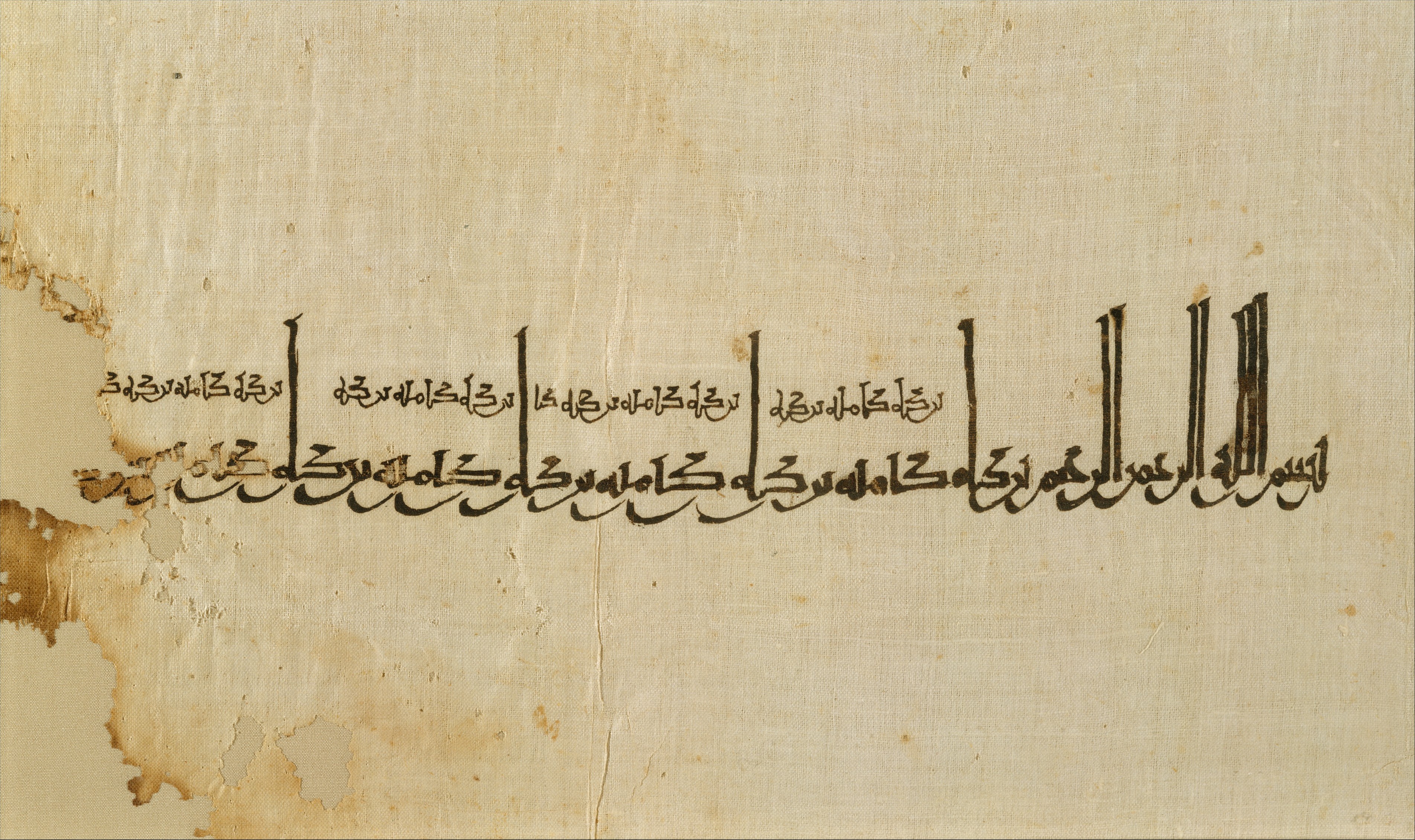
Executive Summary: The Tiraz Fragment as a Strategic Heritage Asset
This analysis examines a Tiraz textile fragment—a cotton, plain-weave, painted artifact from an ancient civilization—through the dual lenses of cultural historiography and contemporary luxury strategy. For Katherine Fashion Lab, such an object is not merely a relic but a foundational cipher encoding principles of symbolic power, elite adornment, and spiritual meaning. Deconstructing its material and semiotic language provides a proprietary framework for a 2026 high-end luxury strategy. This standalone research posits that the Tiraz system offers a replicable model for modern luxury: the creation of limited, inscribed artifacts that confer identity, status, and transcendental value upon the wearer, transforming garments into sanctioned talismans of belonging.
Historical & Cultural Context: The Inscribed Garment as a Tool of Sovereignty
The term Tiraz originates from Persian, meaning "embroidery" or "adornment," and evolved to denote state-run workshops and the inscribed textiles they produced, particularly in the Islamic caliphates from the 7th century onward. While our fragment is positioned within an "ancient civilization" context, the conceptual throughline remains potent: these were not decorative textiles but instruments of statecraft. Woven from luxurious cotton (itself a valuable commodity) and adorned with painted or woven inscriptions and symbols, Tiraz bands were often affixed to the garments of the ruling elite. Their primary function was declarative, serving as a portable, wearable medium for royal propaganda, bearing the ruler's name, titles, blessings, and sometimes the date and place of manufacture.
Symbolic Power and the Economy of Distinction
The power of the Tiraz fragment lies in its synthesis of material, technique, and text. The plain weave cotton represents accessible technology elevated through exceptional craftsmanship and exclusive application. The painted decoration is crucial; unlike woven-in patterns, painting allowed for greater narrative flexibility and personalized, batch-limited execution. This combination created a visible, legible hierarchy. To wear a Tiraz-inscribed garment was to be a walking edict, visually aligned with the central authority's power and divine favor. It enacted an early form of heritage branding, where value was derived not solely from aesthetics but from a direct, sanctioned connection to a powerful source. The fragment thus symbolizes the core luxury tenet: value is manufactured through narrative scarcity and conferred affiliation.
Spiritual Meaning and Adornment as Armor
Beyond political declaration, these inscriptions often carried religious formulas—invocations of God's blessings, prayers for the wearer, or quotes from scripture. This transformed the garment from a mere covering into a spiritual envelope or protective talisman. Adornment here transcends aesthetics; it becomes a ritual act, embedding the wearer within a cosmological order. The cloth mediates between the body and the divine, offering protection, proclaiming piety, and sanctifying the wearer's status as both chosen and devout. This historical insight is invaluable: luxury at its highest level addresses not just social aspiration but existential aspiration—the desire for protection, meaning, and a tangible connection to a transcendent narrative.
Strategic Application: The Katherine Fashion Lab 2026 Luxury Framework
For Katherine Fashion Lab's 2026 strategy, the Tiraz fragment provides a non-Western, deeply intellectual blueprint for post-pandemic, experience-driven luxury. The market is moving beyond overt logos toward inscribed meaning and ceremonial ownership. This artifact guides us toward a strategy built on Authentication, Inscription, and Sanctification.
1. The Authentication Protocol: Beyond Provenance to "Cultural Provenance"
Modern luxury relies on authentication (certificates, serial numbers). We propose advancing to "Cultural Provenance." Each 2026 collection piece will be linked to a specific cultural motif, artisan lineage, or philosophical concept derived from deep research, much like the Tiraz fragment's link to a specific ruler and workshop. This will be documented not with a simple tag, but with a digital "cultural ledger"—an NFT or embedded chip that tells the artifact's full story: the origin of the motif, the artisan's interpretation, the material source. The product becomes a node in a living heritage network, its authenticity verified by narrative depth.
2. The Inscription Principle: Personalized Iconography
Mirroring the painted Tiraz inscriptions, we will move towards limited, personalized iconography. Instead of monogramming, clients will engage in a consultative process to select symbolic elements—a geometric pattern denoting resilience, a botanical motif representing growth—painted, embroidered, or woven into the garment in a bespoke placement. This reactivates the ancient model: the garment becomes a personal charter, its adornment a legible text of the wearer's values or milestones, created through a confidential dialogue with the Lab's "Heritage Curators."
3. Sanctification of the Ritual: The Collection as a Limited Spiritual Offering
Drawing from the Tiraz's spiritual resonance, we will frame collections as limited ritual offerings. A "Solaris" line might be presented not as a summer collection, but as a series of "garments for solar alignment," launched on a solstice, using dyes activated by sunlight, accompanied by a soundscape for a morning ritual. The acquisition is sanctified through ceremony and a unique, non-replicable context. This taps into the growing desire for mindful consumption and objects that support intentional living, positioning Katherine Fashion Lab as a curator of meaningful experiences, not just a manufacturer of goods.
Conclusion: Weaving the Future with Ancient Threads
The painted cotton Tiraz fragment, in its elegant simplicity, is a masterclass in luxury codification. It demonstrates that ultimate value resides at the intersection of exclusive materiality, narrative inscription, and transcendent purpose. For Katherine Fashion Lab's 2026 horizon, this analysis mandates a strategic pivot from selling fashion to issuing modern heirlooms. By adopting the Authentication Protocol, the Inscription Principle, and the Sanctification of the Ritual, the Lab can architect a luxury model that is both timeless and urgently contemporary. We will not reference history superficially; we will reactivate its most powerful systems, creating wearable artifacts that, like the Tiraz, declare allegiance to a rarefied world of meaning, power, and spirit. The future of luxury is not new; it is thoughtfully remembered and re-inscribed.