Strategic Heritage Analysis: The Incense Box as a Luxury Archetype
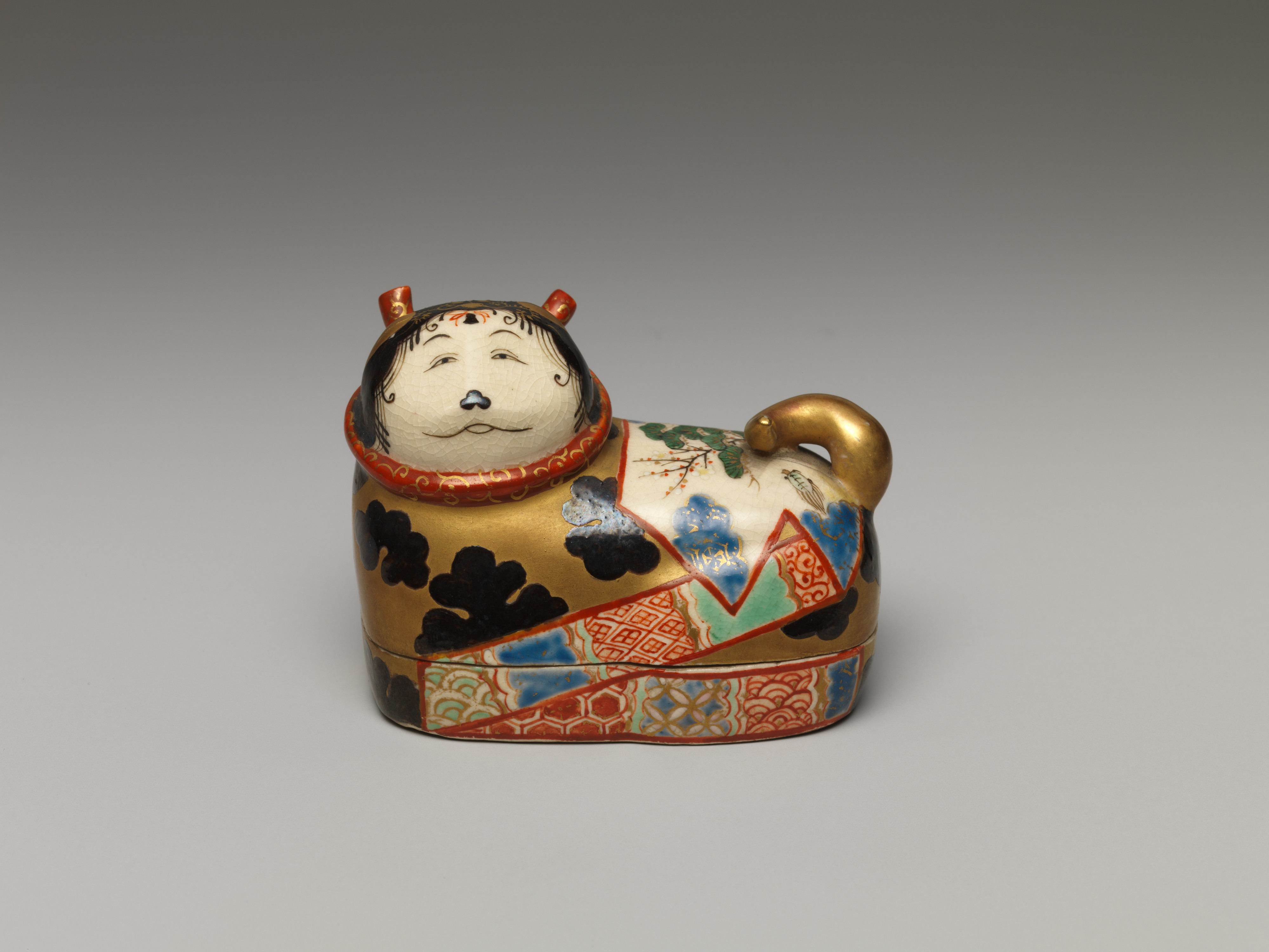
For Katherine Fashion Lab, heritage is not a static archive but a dynamic lexicon of symbols, materials, and narratives waiting to be translated into contemporary luxury. This analysis examines a singular artifact—one of a pair of Japanese incense boxes in the shape of dog charms, crafted in porcelain with overglaze enamels from the Minpei kilns—to decode its intrinsic symbolic power and extract strategic principles for a 2026 high-end luxury strategy. Operating within a Strategic Standalone Research context, we treat this object not merely as an antique, but as a complete brand universe in miniature, offering profound insights into cultural capital, spiritual adornment, and the future of meaningful exclusivity.
Deconstructing the Artifact: Multilayered Symbolic Power
The object’s immediate power resides in its sophisticated synthesis of form, function, and symbolism. As an incense box (kōgō), it is an instrument of the Japanese incense ceremony (kōdō), one of the three classical arts of refinement alongside tea and flower arranging. This positions it within the highest echelons of historical luxury: an object for personal, contemplative ritual rather than overt display. Its shape as a dog charm (likely a shishi or guardian lion-dog, or an inu-hariko style charm) injects a potent layer of spiritual and protective symbolism. Dogs in Japanese folklore are revered as protectors against evil spirits and misfortune, and as loyal companions. The choice of material—porcelain with overglaze enamels from the renowned Minpei kilns—signals a mastery of material science and aesthetic daring. The Minpei (Ming-style) kilns of the Edo period were celebrated for their technically brilliant and vibrantly colored enamels, representing a peak of artisan collaboration and technological innovation in ceramics.
Therefore, the object embodies a triad of symbolic power: Spiritual Protection (the dog as talisman), Cultural Refinement (the incense ceremony context), and Artisanal Audacity (the Minpei technique). It is adornment not for the body, but for the atmosphere and the soul—a concept of profound relevance to modern luxury, which increasingly seeks to curate experience and aura.
Historical Adornment and the Ritual of the Senses
This incense box exemplifies a pre-industrial, holistic concept of adornment that Katherine Fashion Lab can recalibrate for the future. In the Edo period (1603–1868), when such an object would have been created, luxury was deeply tied to ritualized, sensory cultivation. The kōgō was part of a toolkit for "listening to incense," a game of olfactory discernment and poetic allusion. Adornment, therefore, was not purely visual or corporeal; it was an adornment of time, space, and intellect.
The "pair" element is critically significant. One of a pair implies companionship, balance, and dialogue—either between two boxes used in the ceremony or between the user and a counterpart. This speaks to a luxury of intimate connection and shared, elevated experience, a stark contrast to the often solitary consumption of modern luxury goods. The object’s value was activated through its use in a ceremonial performance, embedding it within a narrative far greater than itself. For a 2026 strategy, this translates to moving beyond product-centricity to ritual-centricity—designing objects that are keystones for personal ceremony and cultivated lifestyle practices.
Spiritual Meaning as a Modern Luxury Code
The spiritual resonance of the dog charm is its most direct conduit to contemporary consumer desire. In an era marked by uncertainty and digital saturation, luxury consumers are seeking anchors of authenticity, protection, and meaning—modern talismans. The guardian dog is not a religious icon but a cultural archetype of benevolent power and vigilant care. This aligns perfectly with the growing "luxury wellness" and "spiritual materialism" trends, where objects are expected to carry narrative weight and emotional utility.
For Katherine Fashion Lab, this suggests a strategy of embedded symbolism. The spiritual meaning is not an add-on marketing story but is baked into the design DNA, much like the dog form is inseparable from the box's function. This could manifest in collections built around archetypal guardians, symbols of fortune, or elements (earth, air in the case of incense) translated into materiality and form. The luxury is in possessing a functional object that also serves as a private, potent emblem.
Strategic Imperatives for a 2026 High-End Luxury Strategy
Drawing from this heritage analysis, Katherine Fashion Lab can architect a 2026 strategy that redefines luxury through the lenses of cultural depth, ritual, and symbolic integrity.
1. The Principle of Ritual Instrumentation
Do not sell a handbag; sell the curated ritual of daily preparation. Do not sell a fragrance; sell the incense ceremony for the modern home. Products must be designed as instruments for intentional, sensory rituals. This could involve creating limited "ritual sets"—a sculptural jewelry case (the modern kōgō) with a specific order of engagement, or a travel ensemble that ritualizes the act of journeying. The value proposition shifts from ownership to transformative practice.
2. The Archetype & Artisan Collaboration
Emulate the Minpei kiln model by fostering deep, co-creative partnerships with master artisans in ceramics, lacquer, metalwork, and textile arts. Focus these collaborations on interpreting universal archetypes—the Guardian, the Seeker, the Alchemist—through a contemporary lens, much like the dog charm. Each collection should be a standalone research project into a symbol, resulting in pieces that are both culturally grounded and avant-garde in execution. This builds a brand narrative of credible, intellectual luxury.
3. Paired Exclusivity and Emotional Connectivity
Leverage the power of the "pair." Move beyond limited editions to "dialogical editions"—objects designed in conceptual or functional pairs, sold either to one client to foster a personal ritual of balance, or to two connected individuals (e.g., mentor/protégé, partners). This injects an unparalleled layer of emotional resonance and narrative exclusivity, utilizing technology (like paired NFC chips that unlock shared content) to enhance the physical bond.
4. Adornment of Atmosphere
Expand the definition of adornment beyond the body to the personal environment. The incense box teaches that luxury is an ambient condition. Katherine Fashion Lab should develop a high-end category of Environmental Adornments: singular, sculptural objects for the home, private office, or travel that perform a function (lighting, scent diffusion, sound) while serving as a spiritual and aesthetic focal point. This captures the growing "quiet luxury" and "personal sanctuary" markets at their most elevated level.
In conclusion, this single incense box from Japan provides a complete strategic blueprint. It demonstrates that true luxury is a multisensory, intellectually rich, and spiritually resonant practice, facilitated by objects of profound symbolic and artisanal integrity. For Katherine Fashion Lab in 2026, the mandate is clear: to become a modern atelier not of fashion, but of cultivated living, creating heirlooms that, like the dog charm, stand as guardians of meaning in an ephemeral world.