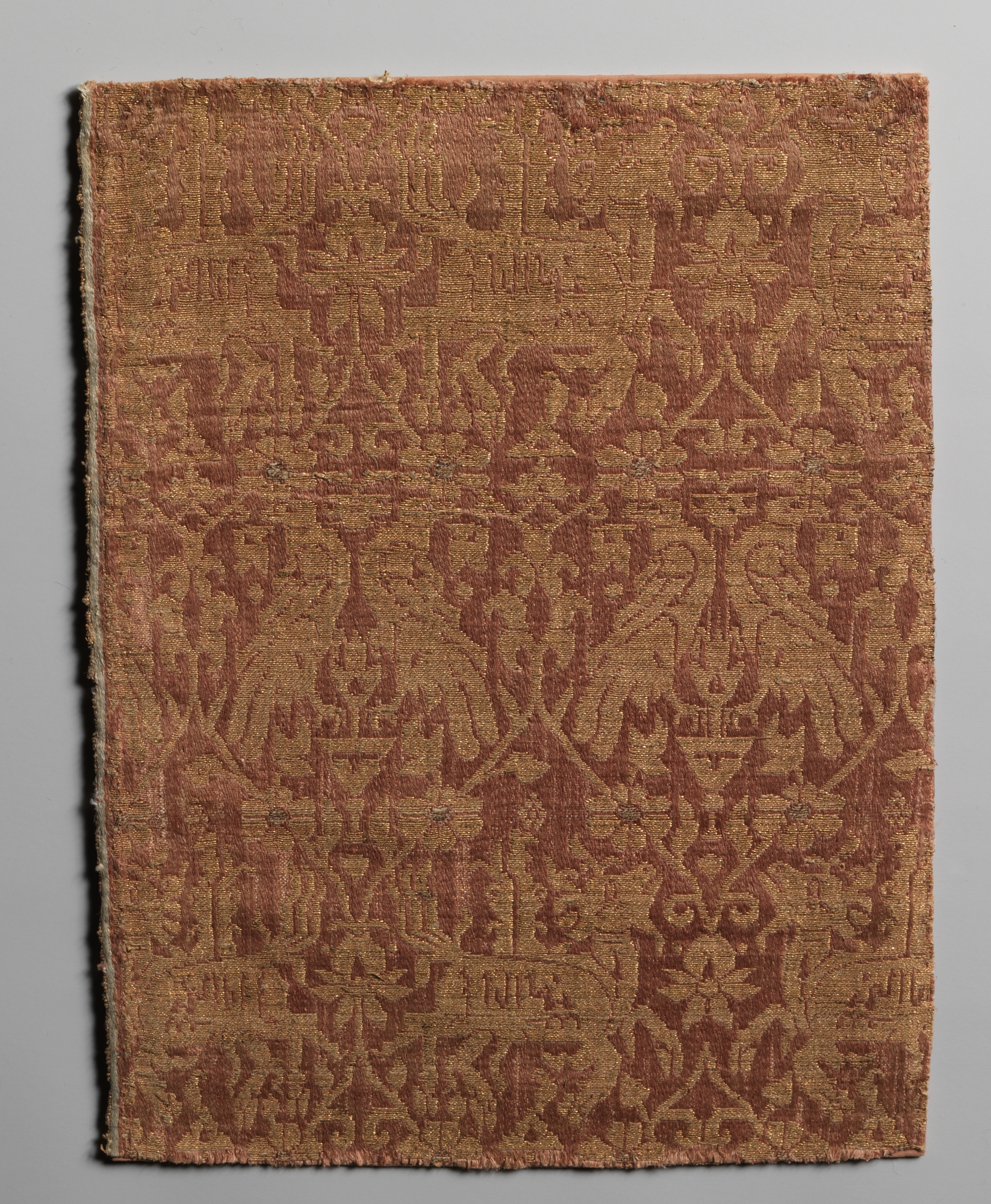
Deconstructing Opulence: A Material Study of Spanish Textile Heritage
The textile arts of Spain are not merely a chapter in fashion history; they are a profound narrative of cultural confluence, imperial ambition, and devotional intensity. For Katherine Fashion Lab, a standalone study focusing on a composite material of satin and plain weave silk, gilt parchment, and gilt membrane on linen offers a potent lens through which to examine the very mechanics of luxury. This combination is not a random assemblage but a deliberate, alchemical fusion of Eastern technique, European piety, and a uniquely Spanish appetite for dramatic expression. It represents a pinnacle of pre-industrial craftsmanship where the sacred and the secular intertwined to create surfaces that communicated power, wealth, and faith through their very substance.
The Structural Foundation: Silk Weaves as Strategic Canvas
Our analysis begins with the foundational textiles: satin and plain weave silks. The introduction of silk weaving to Spain, particularly through the Moorish conquest of Al-Andalus, revolutionized the Iberian textile landscape. The satin weave, with its long floats of weft threads creating an unbroken, luminous surface, became a prized vehicle for reflecting light—a tangible metaphor for divine radiance and royal splendor. In contrast, the plain (or tabby) weave silk provided a stable, durable ground. Its simplicity was strategic; it served as the perfect, subdued canvas to support and offset the extravagant applications to come. The use of both in conjunction speaks to a sophisticated understanding of material hierarchy and contrast, a principle central to couture construction today. The silk’s origin, whether domestic or imported from Italian or Far Eastern markets, further layers the narrative with tales of trade routes and economic power, embedding global networks into the garment’s very fibers.
The Alchemy of Surface: Gilt Parchment and Membrane
It is in the application of gilt parchment and gilt membrane that this textile transcends the category of fabric and enters the realm of applied art. This technique, a precursor to modern embellishment and a direct relative of *brocado* and *lamé* work, involves the meticulous application of thin sheets of precious metal—typically gold or silver—onto animal skin (parchment) or a fine membrane, which is then cut into shapes and applied to the linen-backed silk.
From a technical standpoint, this process demanded extraordinary skill. The parchment provided a slightly rigid, sculptural quality, allowing for raised architectural elements like heraldic motifs or floral volutes. The finer membrane, however, could be manipulated to follow more fluid, curvilinear patterns, creating a dynamic play of texture against the silk ground. The gilding itself, often burnished to a high shine, would catch candlelight in palace halls or dim churches with a mesmerizing, kinetic glow. This was not passive decoration; it was a performative surface engineered for impact under specific conditions of illumination. The linen substrate for these appliqués was a calculated choice—its natural strength and absorbency provided a secure anchor for the heavy metal elements, ensuring the opulence was built upon a framework of durability.
Contextual Synthesis: Power, Piety, and Performance
To understand this material complex is to decode the socio-political and religious language of Habsburg Spain. This textile technology found its most spectacular expressions in two distinct yet interconnected realms: the royal court and the Catholic Church.
In the courtly context, such materials were deployed in *ropa* (gowns) and ceremonial vestments to manifest the absolutist power of the monarchy. The staggering cost of the materials—imported silks, precious metal, and labor-intensive handwork—acted as a direct economic display of wealth. The visual shock of the gilded surfaces communicated unchecked authority and a connection to a divine right to rule. When a noble or monarch moved, the stiff, gilt-encrusted fabric would produce a subtle, commanding sound, further asserting presence. This was wearable architecture, designed to dwarf the individual and project the institution.
Conversely, within the ecclesiastical sphere, particularly in the fervent atmosphere of the Counter-Reformation, this same splendor served a theological purpose. Vestments, altar frontals, and canopy hangings crafted from such materials were intended to inspire awe and illustrate the glory of Heaven. The light reflecting off the gilt surfaces was a literal representation of *lux Dei*, the light of God, making the divine tangible to the congregation. The material’s inherent preciousness was an offering to God, a form of devotional sacrifice through craft. The stark contrast between the mortal body of the priest and the immortal radiance of his vestments visually articulated the mystery of the sacrament.
Conclusion: A Legacy of Calculated Spectacle
For the contemporary couturier and analyst at Katherine Fashion Lab, this standalone study yields critical insights that transcend historical curiosity. The Spanish composite of silk, gilt parchment, and linen is a masterclass in textile as a strategic communication tool. It demonstrates a holistic understanding of material properties—drape, reflectivity, sound, and durability—in service of a narrative. It reveals luxury not as mere ornament, but as a complex, layered construction where every substrate has a functional and symbolic role.
In modern terms, we see echoes of this philosophy in the architectural silhouettes of Cristóbal Balenciaga, who internalized the severity and drama of his Spanish heritage, and in the relentless pursuit of new material hybrids in today’s couture ateliers. The lesson is that true material innovation lies not only in discovering new substances but in the radical, intelligent recombination of existing ones to engineer emotion, command space, and tell a story that is felt before it is understood. This Spanish textile complex stands as a formidable testament to the power of surface, where light, faith, and authority were woven, gilded, and performed into existence.