Strategic Heritage Analysis: The Compound Silk Weave as Foundational Luxury Code
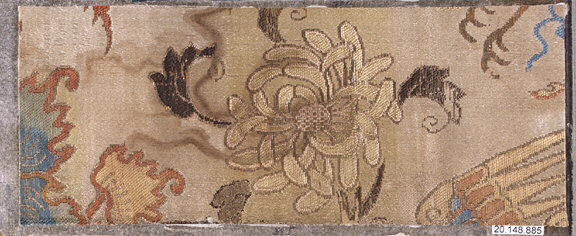
This strategic standalone research paper, prepared for the executive leadership of Katherine Fashion Lab, presents a heritage analysis of a foundational artifact: a Chinese silk piece, executed in compound weave. The objective is to deconstruct its intrinsic symbolic capital and historical context to formulate a proprietary luxury strategy for 2026. Moving beyond superficial aesthetic appropriation, this analysis positions the artifact not as a relic, but as a living system of codes—encompassing material intelligence, spiritual geometry, and hierarchical power—that can be translated into a dominant, defensible market position in the high-end luxury sector. The compound weave, in its structural complexity, serves as the perfect metaphor for the Lab's intended strategy: a multilayered, resilient, and opulent narrative.
Deconstructing the Artifact: Material Sovereignty and Woven Hierarchy
The specified medium—silk in a compound weave—is itself a statement of civilizational achievement and exclusivity. For millennia, China maintained a global monopoly on sericulture, with the knowledge of silk production a state secret guarded on pain of death. This imbues the material with an inherent narrative of rarity, technical mastery, and sovereign power. The compound weave technique (such as kesi tapestry or intricate brocades) elevates this further. Unlike basic weaves, compound structures involve multiple warp and/or weft series, creating a dense, pictorial, and often reversible textile of immense durability and visual depth. Historically, the complexity of the weave was directly legislated through sumptuary laws; certain patterns, colors, and thread counts were reserved exclusively for the imperial household and designated ranks of the nobility. Thus, the artifact is not merely fabric; it is a woven manifestation of social and political hierarchy. For Katherine Fashion Lab, this translates to a core strategic principle: product hierarchy must be architecturally evident, not merely labeled. The complexity of construction, the layering of narratives within a single piece, and the tangible weight of the material must communicate status through inherent engineering, echoing the compound weave's silent language of elite belonging.
Symbolic Power and Spiritual Meaning: The Adornment as Talisman
Chinese adornment was never solely decorative; it was a system of symbolic communication and spiritual protection. The motifs woven into silks—dragons, phoenixes, clouds, Buddhist symbols, and endless knots—carried specific auspicious meanings. A robe was a microcosm of the universe, with the wearer at its center, harmoniously aligned with cosmic forces (tian). The dragon, emblem of the emperor, symbolized transformative power and celestial authority. The phoenix (fenghuang) represented virtue, grace, and the empress. Floral motifs like the peony denoted wealth and honor, while the lotus symbolized purity rising from mud. This transforms the artifact from a "piece" into a talismanic interface. Adornment was an active ritual, a means of attracting good fortune (fu), longevity (shou), and warding off malevolent spirits. The spiritual meaning is thus embedded in the geometry of the pattern itself. For a 2026 luxury strategy, this insight is critical. The modern luxury consumer seeks not just a product, but an object of meaning and intentionality. Katherine Fashion Lab can innovate by developing a modern symbolic lexicon. This involves deep research into archetypal motifs, reinterpreting them through abstraction or integration with personalization technologies (e.g., embedding a client's astrological or elemental sign into the weave's pattern code), thereby offering not just clothing, but a curated, modern talisman for the wearer's journey.
Historical Adornment as Strategic Framework: Ceremony and Modern Ritual
The context of historical adornment provides a framework for experiential luxury. Silk garments were integral to state ceremonies, ancestral rites, and seasonal celebrations. The act of dressing was a ritual, with specific garments for specific occasions, each layer and fastener holding meaning. This ceremonial aspect created a profound emotional and psychological connection between the wearer and the garment. It established a narrative of occasion that elevated the object beyond its material value. Katherine Fashion Lab's 2026 strategy can architect similar modern rituals. This extends beyond the fashion show to the private client ceremony—the unveiling of the compound weave's story, the fitting as a personalized experience, the garment as a centerpiece for key life milestones. Furthermore, the Lab can explore the concept of "occasion-specific" capsules not based on seasonal trivialities, but on modern cultural and personal rites: a collection for major professional inaugurations, for philanthropic galas with thematic integrity, or for private contemplative retreats. The garment becomes an active participant in the client's curated life narrative, mirroring the historical role of silk in life's most significant ceremonies.
2026 High-End Luxury Strategy: The Compound Weave as Business Architecture
Synthesizing these insights, the 2026 strategy for Katherine Fashion Lab must be, like the artifact itself, compound in nature. It should weave together heritage codes with future-facing execution across four strategic pillars.
1. Material Intelligence & Provenance: Forge exclusive partnerships with protected sericulture regions and master weavers in China. Develop a "Material Provenance" narrative that is traceable and story-rich. Innovate within the compound weave technique by integrating ultra-fine technical threads (e.g., conductive, sustainable polymers) for hidden functionality, creating a dialogue between ancient structure and future needs.
2. Symbolic Personalization: Establish a "Symbolism Atelier" within the client service framework. Work with clients to identify personal or aspirational symbols, which are then translated into custom weave patterns or embroidered codes discreetly integrated into the garment. This offers profound emotional value and creates an un-copyable product.
3. Ceremonial Distribution & Client Journey: Re-conceptualize retail spaces as "Ritual Chambers" or private museums where the collection is presented in an immersive, story-driven context. The purchase process should include a documented narrative of the piece's inspiration, craftsmanship, and symbolic intent, delivered as a curated artifact alongside the garment.
4. Cultural Stewardship as Brand Equity: Move beyond collaboration to true stewardship. Fund and publicize academic research into historical weaving techniques and symbolism. Position Katherine Fashion Lab not as a brand using Chinese heritage, but as a contemporary curator and innovator within that living tradition. This builds immense credibility and defends against accusations of cultural appropriation, establishing the Lab as an authority.
Conclusion: Weaving the Future
The analyzed Chinese silk piece, in its compound weave complexity, offers Katherine Fashion Lab a complete strategic blueprint. Its threads carry the weight of imperial sovereignty, talismanic spirituality, and ceremonial importance. The 2026 luxury market will be won by brands that offer depth, authenticity, and personalized meaning. By architecting a brand universe that mirrors the compound weave—where material innovation, symbolic resonance, ceremonial experience, and cultural stewardship are intricately interlaced—Katherine Fashion Lab can construct a formidable, high-margin luxury house. The goal is to ensure that each creation is not merely seen as a fashion item, but perceived as a strategic asset for the wearer: a piece of woven intelligence, personal power, and timeless narrative for the world's most discerning individuals.